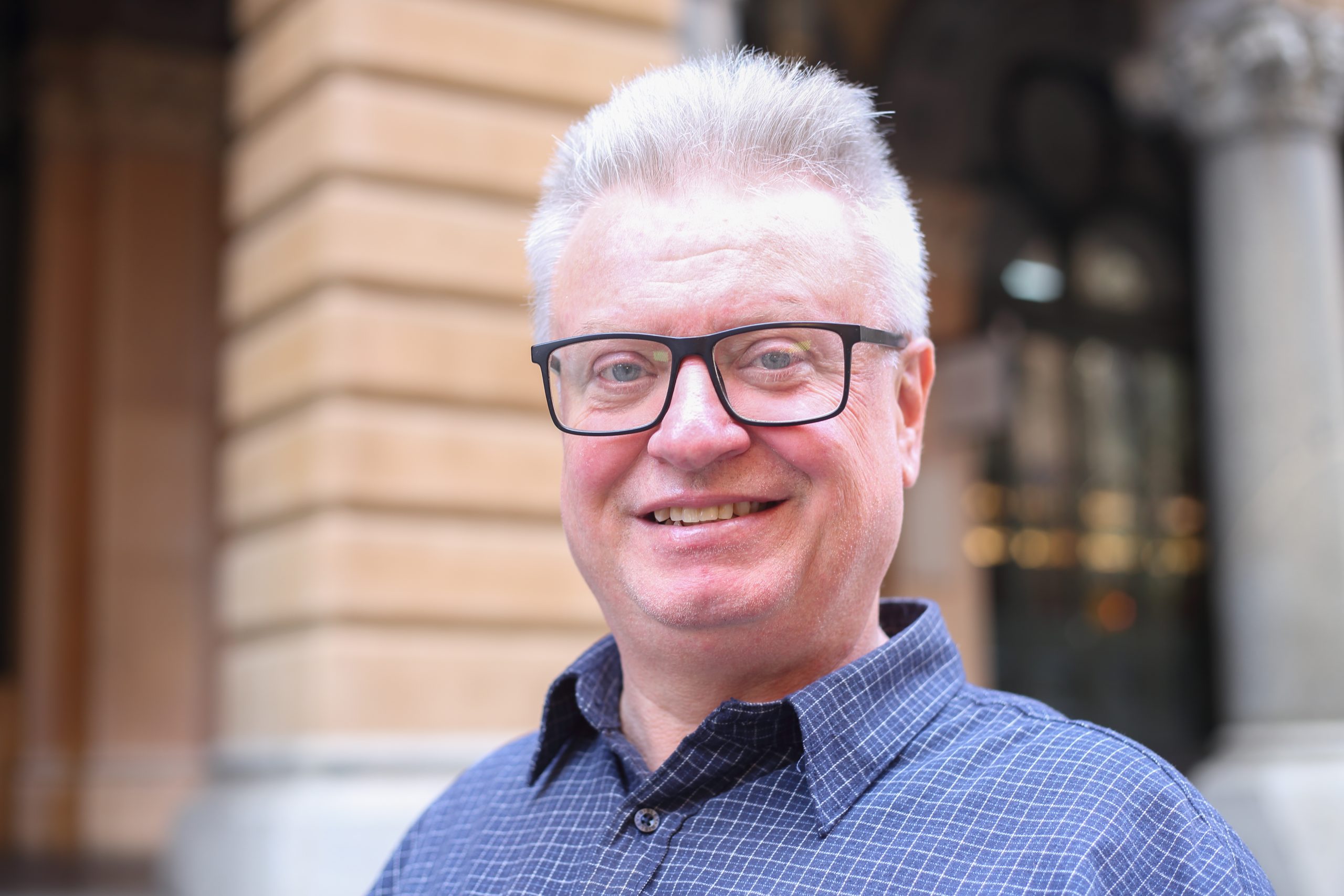
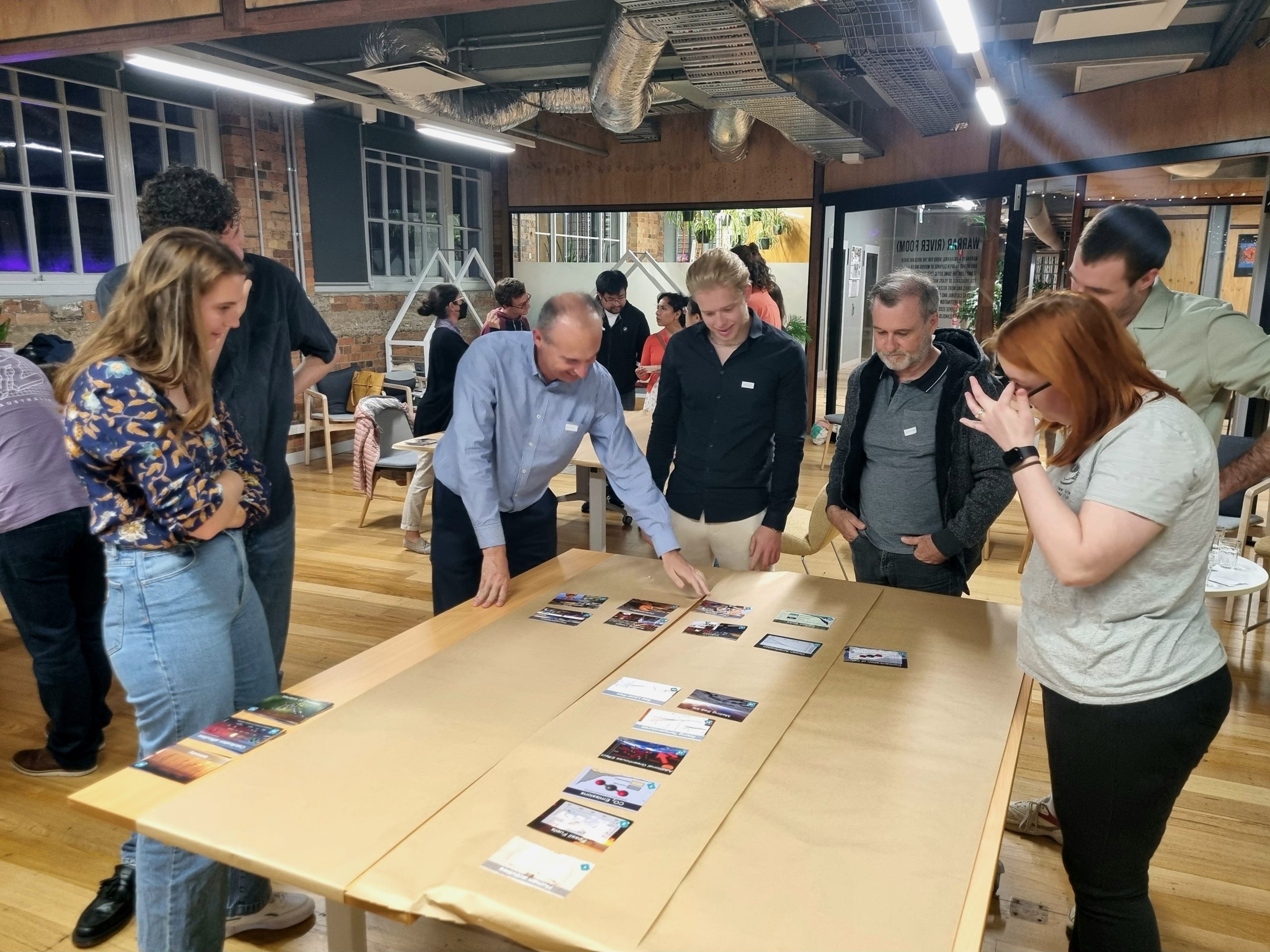
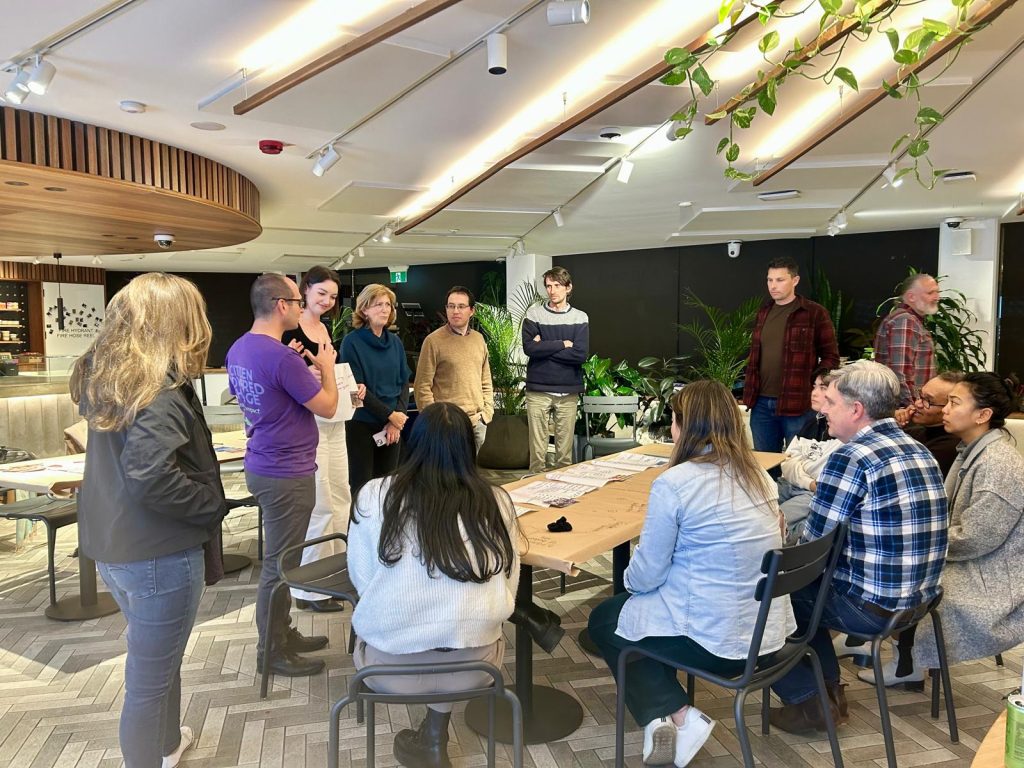
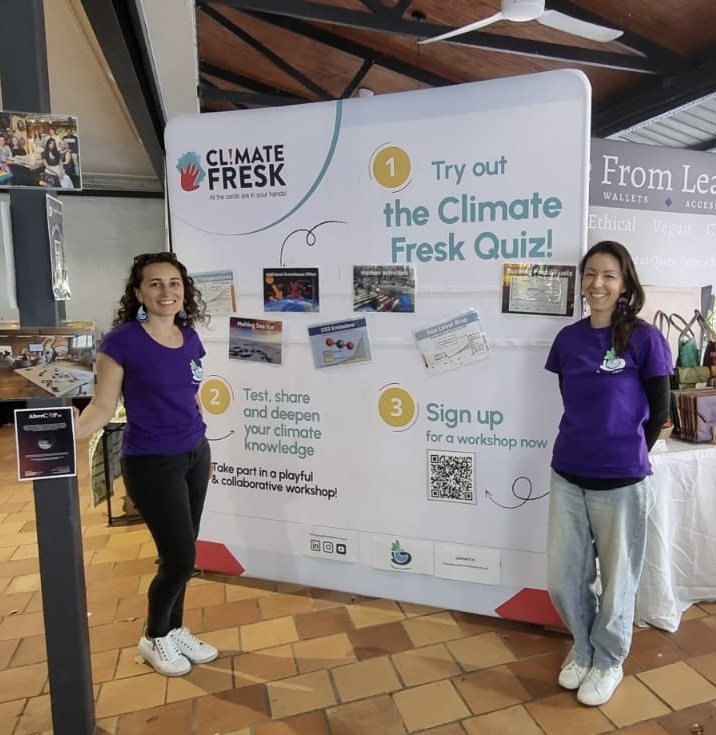
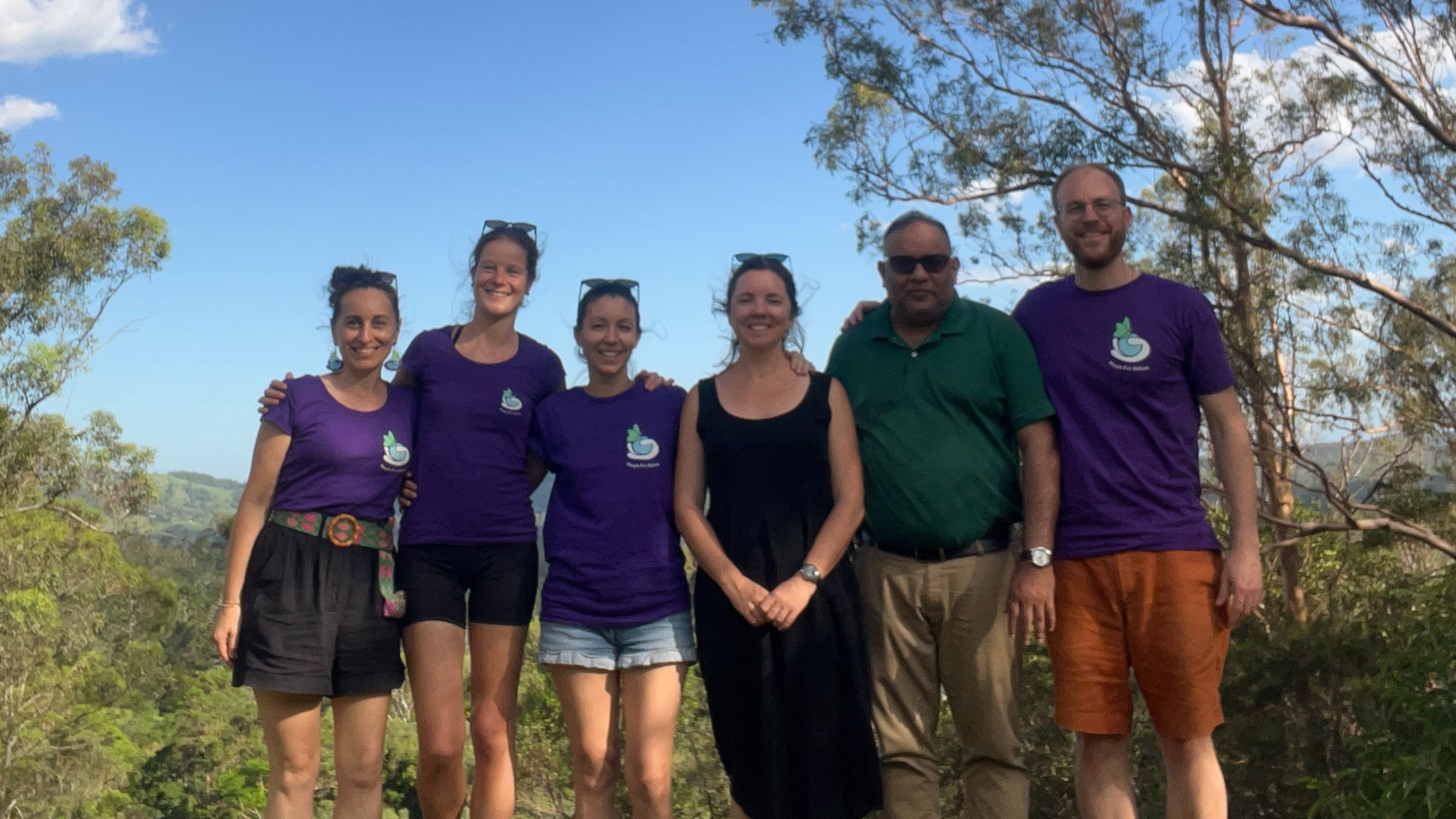
Tom is a seasoned, pro-trained Climate Fresk facilitator for business, based in Sydney.
He also volunteers as an ambassador with People for Nature, supporting climate education and engagement across the community.
Through his firm, EcoProsper Consulting, Tom helps leaders navigate the converging crises of climate, ecology, and economic disruption, transforming uncertainty into strategic clarity and action.
He supports businesses and mission-led organisations across Australia to become more regenerative, resilient, and future-fit, using globally recognised tools like Climate Fresk, the Doughnut Economics Design for Business tool, and the En-ROADS climate simulator.
“Fresking is one of the most effective ways to build shared understanding and motivation for action, whether in the community or inside an organisation. It’s fun, team-building, and evidence-based. Action on climate is urgent, and helping more people experience a workshop like Climate Fresk is part of how we scale awareness and action.”
Tom is available to deliver Climate Fresk workshops for organisations during business hours, Australia-wide.
Did you know? Why the Koala is more than just an icon
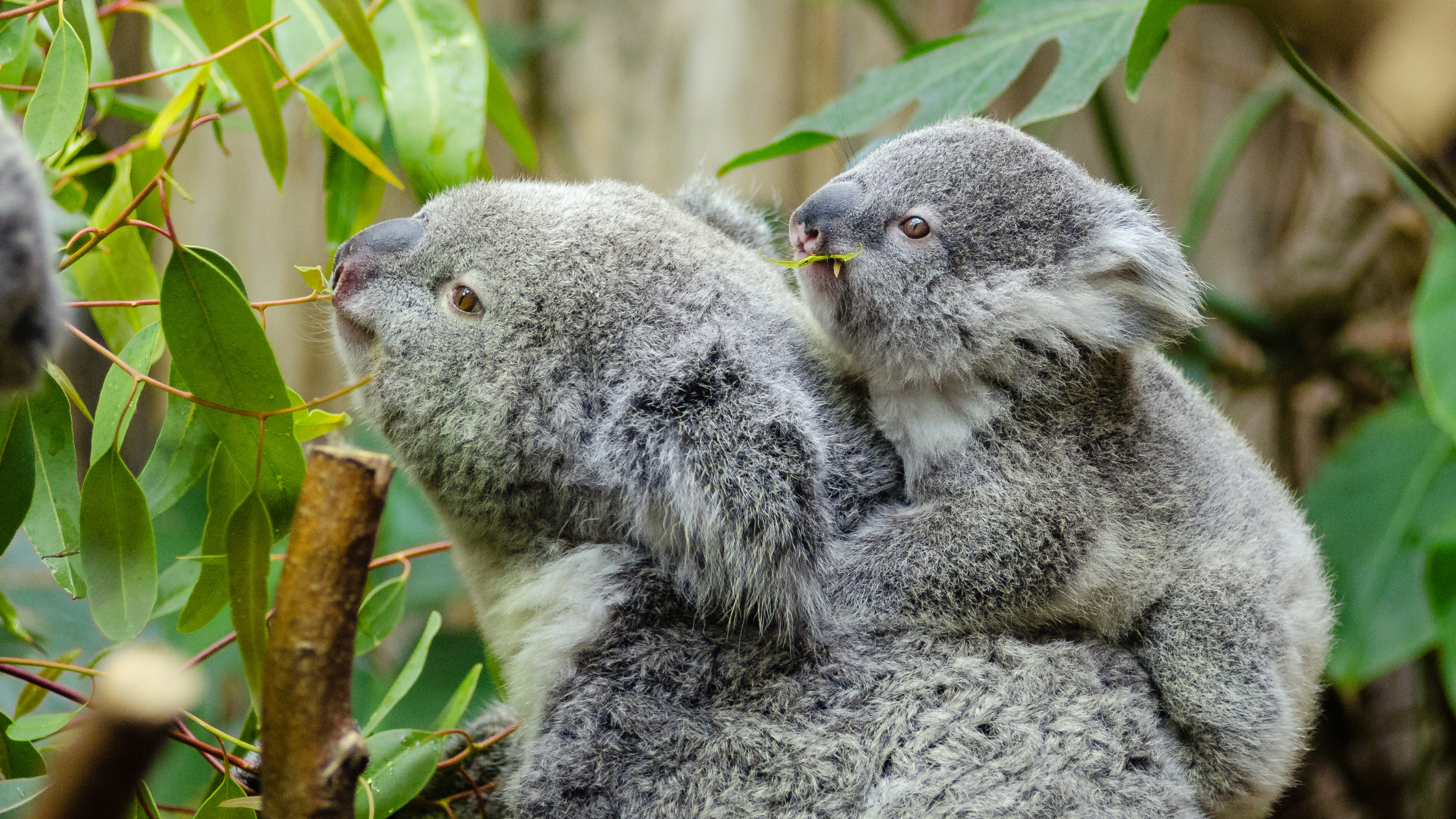
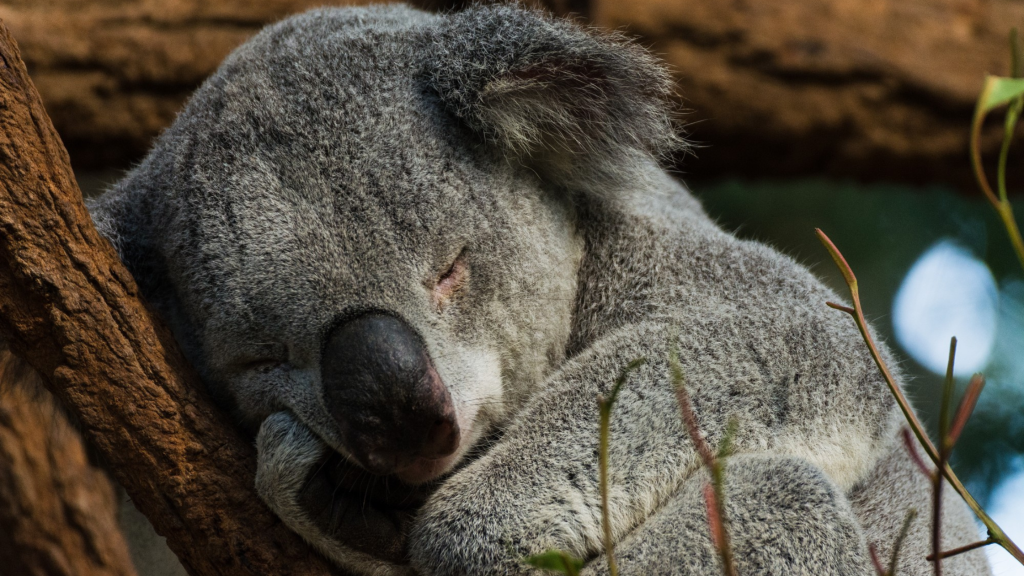
The Koala is one of Australia’s most beloved and globally recognised animals; a true cultural icon symbolising the unique natural heritage of this land.
But the Koala is much more than just a cuddly mascot: it is a demonstrated ecological indicator of ecosystem health.
Where Koala populations are stable and healthy, it signals that the basic ecological and genetic processes that support all flora and fauna (including humans) in the landscape retain some function. In other words, Koalas give us a window into the wellbeing of the environment itself.
The Unseen Koalas: Populations Yet to Be Mapped
Despite their iconic status and ecological importance, the majority of Koala populations surviving today in Eastern Australia remain unmapped. These populations haven’t yet been scientifically identified or described, hence don’t officially exist in land-use and planning or instruments. This comes in sharp contrast with Victorian populations which have been mapped and described.
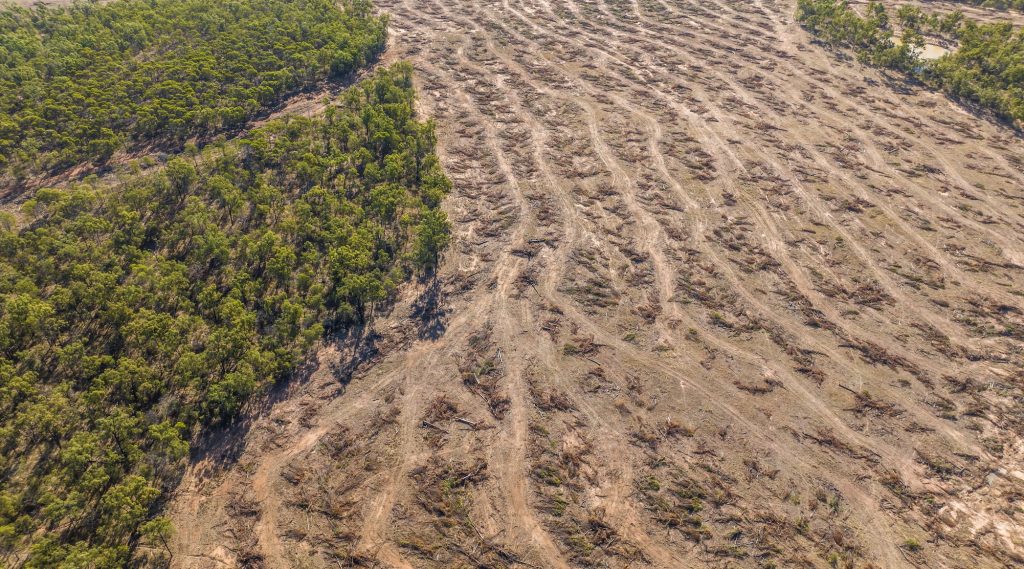
This lack of recognition of Eastern Australian Koala populations is critical, especially when we consider that Queensland and New South Wales alone clear approximately half a million hectares of native forest annually. This deforestation rate (among the highest in the world), combined with existing unsustainable land uses that began only ~ 150 years ago, is pushing Eastern Australian Koalas towards the point of no return. Which is why the species was listed as Endangered in Eastern Australia in 2022 under federal law.
Without comprehensive mapping of all Koala populations in Queensland and NSW, planning and land-use decisions continue blindly with no understanding as to how these decisions impact the species. This risks not only Koalas but also myriad other species, and ultimately humans who also rely on these ecosystems.
Are Our Conservation Dollars Working?
Each year, tens of millions of dollars of public funding are poured into Koala conservation efforts. Yet the Koala in Eastern Australia is still eroding. Why?
Because many of these investment decisions are currently taken ‘blindly’ with no understanding of their effectiveness, and with no way of scientifically measuring their effectiveness. Worse, blindly investing in some actions can even have detrimental impacts that can fast-track the demise of the species.
For example: if not carefully planned, well-intended revegetation programs that reconnect fragmented landscapes can inadvertently facilitate the spread of deadly pathogens, which can then rapidly spread across the greater landscape.
The challenge is not to halt development: it is to make informed decisions that allow human populations to continue to grow while ensuring we also protect the natural environment that supports us. Sustainable human / Koala cohabitation that allows both species to thrive, means understanding the current Koala population structure across Eastern Australia. This basic scientific data is necessary to allow both:
The effective use of public funding earmarked for Koala conservation, ensuring investments are strategically targeted and measurable in their success; and
Proper, science-based impact assessments to effectively inform planning decisions in the context of proposed developments, including identifying effective mitigation measures.
Mapping Koalas: A Collaborative Scientific Solution
Since the early 2010s, a coalition of academic researchers, independent scientists, government agencies, industry partners, Traditional Owners, NRM groups and citizen-scientists have been working together in an effort to identify, describe, and map all surviving Koala populations across from Victoria to Queensland.
The work in Victoria is completed, and citizen-scientists played a crucial role in theGreat Victorian Koala survey: all four populations currently persisting in the State of Victoria are now identified, mapped and described.
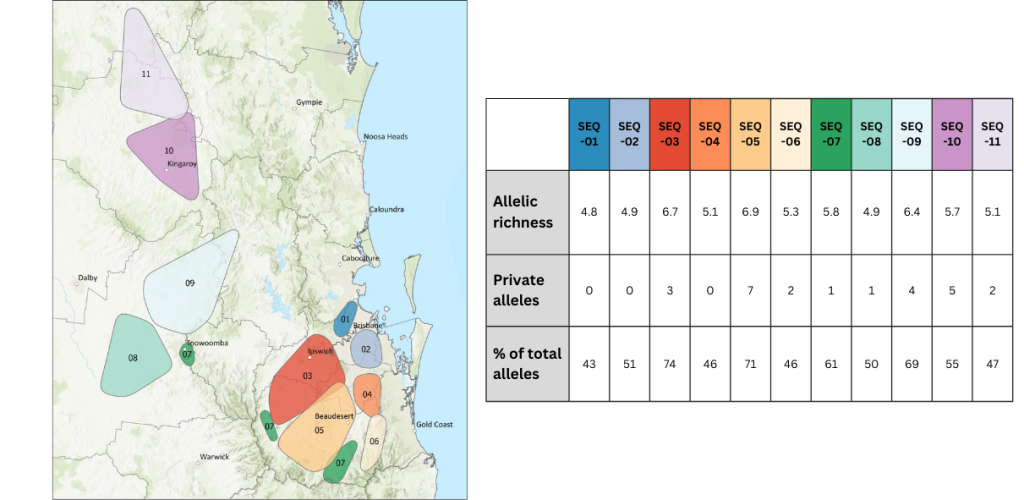
However, the same cannot be said in neither Queensland nor NSW – even though this is where the species is most threatened. The most comprehensive understanding of Koala population structure is currently in Southern Queensland where 11 differentiated populations have already been identified, which is highly concerning. See map image below and check https://doi.org/10.13140/RG.2.2.24954.20163 for further details.
Current understanding of present Koala population structure in Southern Queensland
Why does identifying the currently surviving populations matter?
The natural or historic Koala population pre-disturbance (before European settlement) is known and extensively published. In summary, the Koala naturally occurred in only a few, but very large metapopulations from Victoria to North Queensland.
Comparing the ‘historic’ structure with the ‘current‘ structure, directly allows to scientifically measure how humans are affecting the species since European settlement.
No metapopulation has been identified as persisting today (yet, at least). Instead, the species now occurs in a series of increasingly small, disconnected and isolated ‘clusters’. The more fragmented the landscape has been since European settlement, the more the species is now split into a greater number of smaller clusters.
Without targeted and effective measures to reconnect these clusters, the species rapidly becomes locally extinct. This describes the ‘death by a thousand cuts’ the species is experiencing since European settlement. It is because the species has already become extinct from large parts of its natural range in the last ~200 years alone, and with it vast parts of the ‘genetic code’ that make up the species already lost, that the Koala is now Endangered.
Hence why identifying, mapping and describing all Koala populations that survive today is not merely useful: it is necessary if those that survive today are to persist, in the long term and the short term alike.
It is only if/when a currently surviving population has been scientifically described and ‘put on the map’, that it can be accounted for in planning instruments – and receive the targeted actions it needs to effectively and safely help that population persist.
Because once a population is scientifically confirmed, it gains formal recognition. This means it can be accounted for in land use planning, receive appropriate conservation action, and enable measurable recovery strategies.
What we’re doing
Building on Australia’s largest Koala genetic database, People For Nature now aims to accelerate citizen-science Koala sampling to complete Koala population mapping in Eastern Australia. The approach is:
– Highly optimised and cost-effective
– Rapid and non-invasive: all molecular data (Koala DNA, pathogenic DNA, tree species DNA) required to inform effective management is derived solely from degraded scat / faecal droppings – meaning no disturbance to the animals themselves.
– Scientifically proven, highly scalable, and repeatedly demonstrated through numerous citi-sci projects in Victoria, Queensland and NSW, including multiple projects funded directly by the Federal Government.
– Powered by citizen scientists who are trained and empowered to non-invasively sample their local Koalas themselves
Empowering Communities, Driving Change
People For Nature follows a ‘train the trainer’ model, equipping local communities to become active participants in this collective Koala population mapping exercise. This hands-on involvement not only advances Koala research but also deepens public understanding of Koala population processes, molecular ecology and eDNA technologies, putting communities in the driver’s seat of applied Koala science.
Ecology is often mistakenly viewed as a soft or interpretive science, which has traditionally hindered effective Koala conservation. By contrast, this population mapping effort generates black-and-white scientific data based on lab results from NATA accredited experts – irrefutable scientific evidence that decision-makers can reliably trust and act on.
Why This Matters
Until every surviving Koala population is formally mapped and recognised, land-use and planning decisions will continue to be taken blindly, and investments in conservation efforts will continue to be taken ‘in the dark’, risking being ineffective or even unsafe.
By embracing science, empowering local communities, and investing in citi-sci powered Koala sampling, we can identify and map all surviving Koala populations across Eastern Australia quickly and effectively – thereby giving a chance for those populations to be effectively managed or recovered before these are lost.
How does this citi-sci Koala mapping effort fit into the National Koala Recovery Plan?
This work, and the database it contributes to, was purposely designed with this in mind from inception some 15 years ago. Anyone can contribute to it, including citizen-scientists collecting scat from their local Koalas, and anyone can access the samples or the isolated DNA or the data derived. It directly informs managers and decision-makers, and continuously supports R&D by many academic researchers and a range of scientific organisations.
2 – Engage & partner with the community
People For Nature seeks specifically to engage and empower citizen-scientists to collect scats from ‘their own’ local Koalas across Eastern Australia. This is community engagement at its very core.
3 – Increase the area of protected habitat
Empowered with robust scientific data, decision-makers can make effective and targeted investment decisions in habitat protection that meet the specific needs or identified populations. Simultaneously, once a population has been scientifically described and ‘put on the map’, local communities can also advocate for the improved management and conservation of those populations.
4 – Integrate Koala conservation into policy, statutory maps and land use plans
The scientific data obtained enables us to achieve this strategically and effectively – and provides a means to scientifically measure & continuously monitor the success of such plans and policies, to ensure the investment is effective.
5 – Strategically restore Koala habitat
This work directly informs any kind of effective strategy, including the strategic restoration of Koala habitat. Moreover, it also provides the critical pathogenic data (prevalence and distribution of known problematic pathogens) that is needed to ensure habitat restoration is done safely without risking spreading deadly diseases across the landscape.
6 – Actively manage Koala metapopulations
This strategy requires understanding the current Koala population structure across Eastern Australia, which is at the very core of this mapping exercise. To date, no surviving metapopulation has been identified yet as persisting in Eastern Australia. However, several ‘genetic reservoirs’ of critical national significance for the species have already been identified, and several others that are of regional importance. There are likely more populations that are reservoirs of national or regional significance that persist today in Eastern Australia, but are yet unmapped. Identifying all such populations is critically urgent if the species is to have a chance at persisting in the wild in Eastern Australia, and is naturally a key priority of this citi-sci Koala population mapping exercise.
Want to help?
Join us in putting Koalas on the map — through citizen science, eDNA, and a shared vision for a future where Australia’s icon thrives.
Your donation will support our community-driven koala genetic monitoring program. By empowering people power, we collect vital data to protect koalas and their habitats. Every dollar is used efficiently to maximise conservation impact.
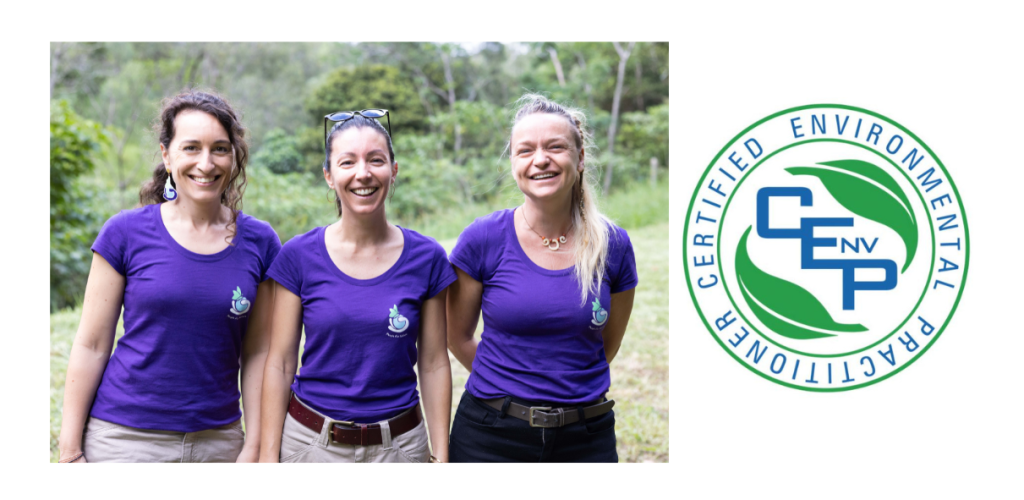
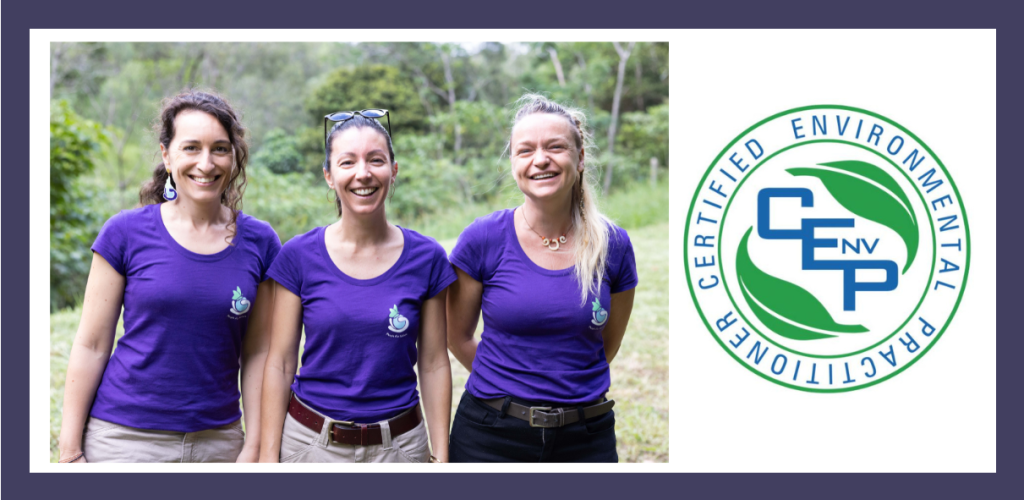
People For Nature was founded by three Certified Environmental Practitioners: Audrey Barucchi, Dr Fanny De Busserolles, and Olivia Woosnam.
What does it mean?
The Certified Environmental Practitioner (CEnvP) Scheme assesses the experience, skills, and ethical conduct of environmental professionals. Our three founders have been formally vetted and endorsed as leading environmental experts.
CEnvPs uphold and are accountable under the EIANZ Code of Ethicsfor the environmental profession, which provides a formal framework for practicing ethically, competently, and responsibly with regard to the natural and cultural values of our shared environment.
The EIANZ or Environment Institute of Australia and New Zealand is Australasia’s leading body for environmental practitioners.
Why does it matter?
CEnvP certification is a rigorous and impartial process.
It sets environmental professionals apart by proving their expertise, ethical standards, and commitment to best practice. Recognised across Australasia, it builds trust and strengthens credibility.
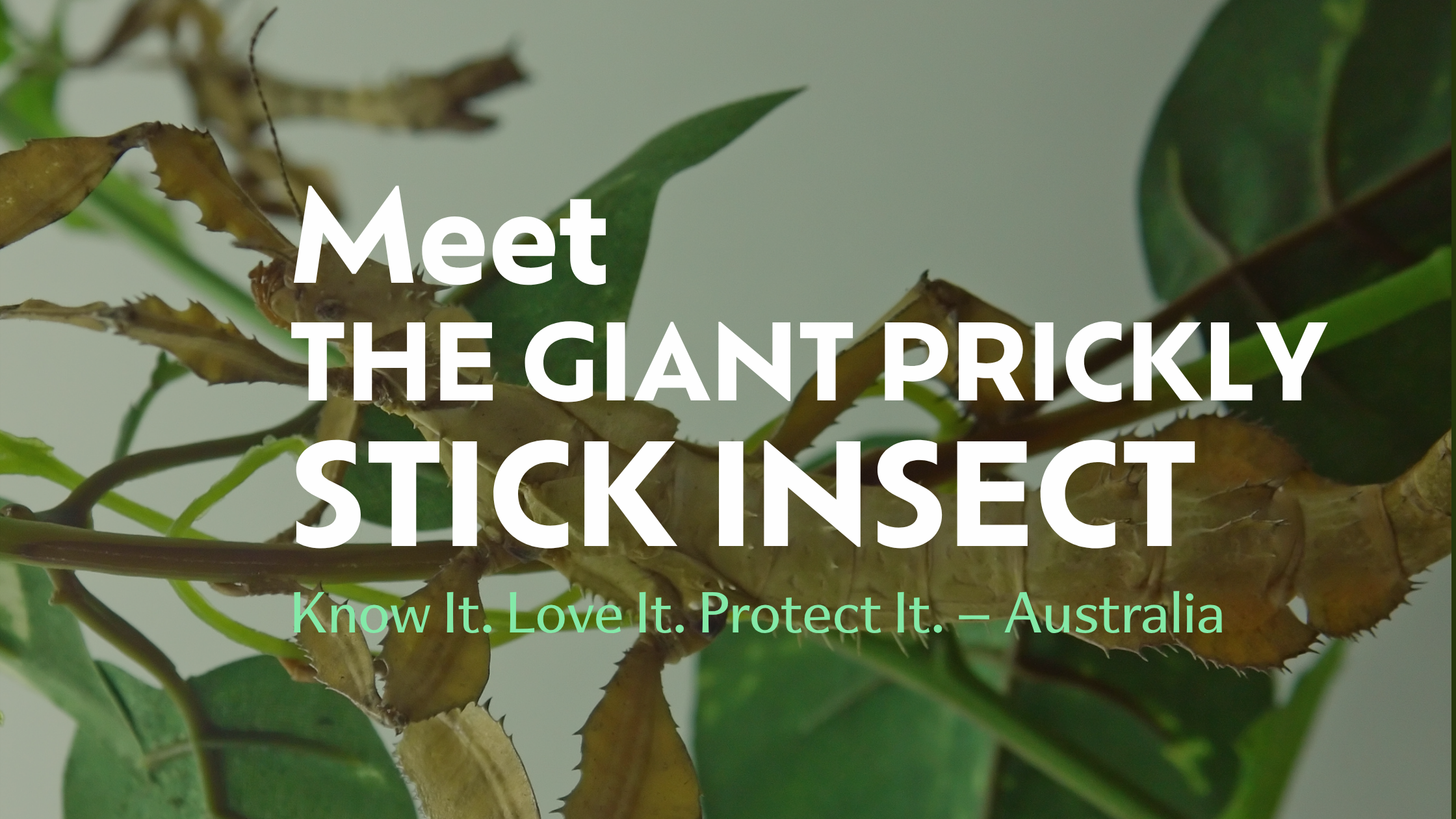
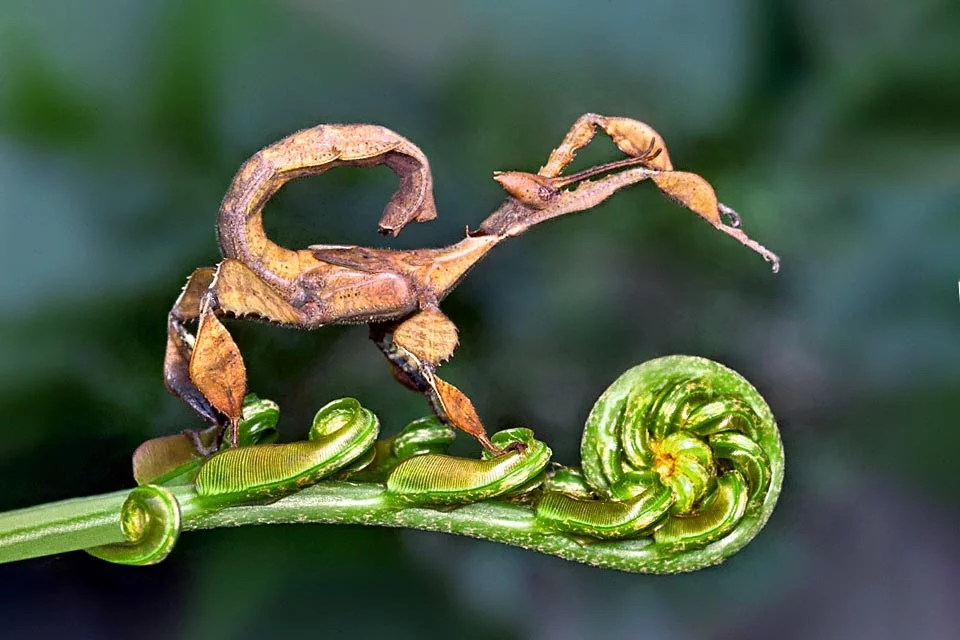
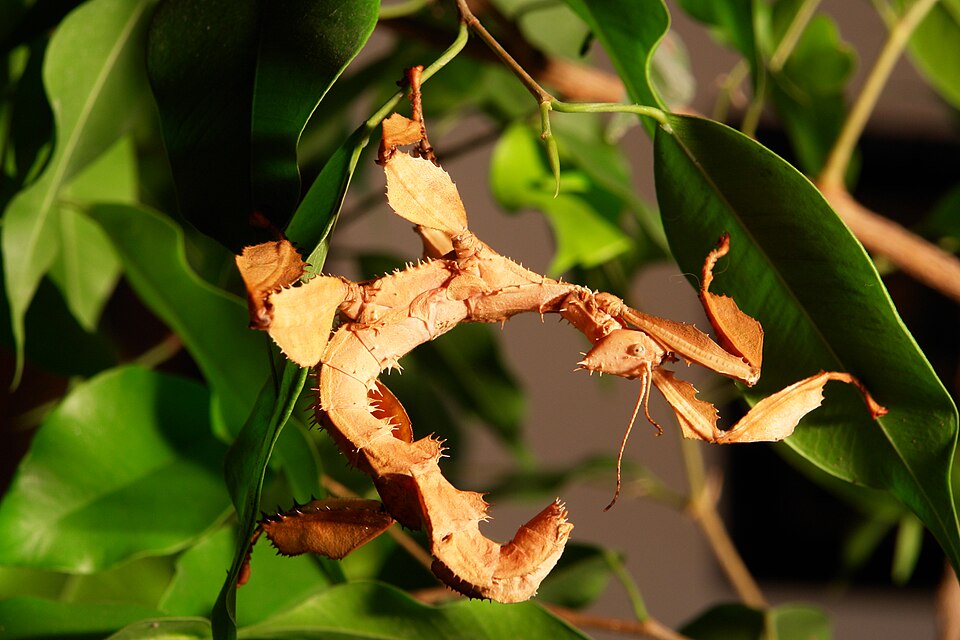
One of Australia’s largest and most striking insects, the Giant Prickly Stick Insect can grow up to 20 centimetres long and has evolved an extraordinary appearance that allows it to disappear into its surroundings.
With its spiny, branch-like body and prickly legs, this remarkable insect resembles a twig or piece of vegetation and can even sway like a branch in the wind to avoid being detected by predators.
It is a reminder that some of nature’s most impressive adaptations are hiding in plain sight.
Why it matters
The Giant Prickly Stick Insect is part of the rich diversity of insects that support healthy ecosystems.
🍃 Stick insects are important herbivores that interact with native vegetation and contribute to ecological processes
🕸️ They form part of food webs and provide prey for birds, reptiles and other animals
🌿 Their presence reflects the health and complexity of native habitats
🦗 They highlight the incredible diversity and adaptability of Australia’s invertebrate life
Although often overlooked, insects such as the Giant Prickly Stick Insect are essential components of functioning ecosystems.
Fun facts
🤓 The Giant Prickly Stick Insect can grow up to 20 centimetres long, making it one of Australia’s largest stick insects
🤓 If threatened by a predator, it can shed a leg or part of its body to distract the attacker and make its escape
🤓 Females can reproduce through parthenogenesis, meaning they can produce offspring without mating
🤓 Despite this ability, males remain important because they help maintain genetic diversity and long-term adaptability within the species
A deeper reflection
The Giant Prickly Stick Insect challenges the idea that conservation is only about protecting large or charismatic animals.
Invertebrates make up the vast majority of biodiversity and perform countless ecological roles that support the health of ecosystems, yet they are often overlooked in conservation conversations.
Like many native species, stick insects are vulnerable to habitat loss, climate change and the degradation of the environments they depend upon.
In a country with more than 600,000 native species, many found nowhere else on Earth, the Giant Prickly Stick Insect reminds us that biodiversity includes the small, hidden and easily forgotten species that quietly keep ecosystems functioning.
How we care for insects and their habitats will shape the resilience of Australia’s natural systems for generations to come.
From Wonder to Action
Learn & understand
Explore how biodiversity, climate, and land systems are deeply connected through our workshops with People For Nature.
Create your Nature Oasis
Plant native species to restore habitat and support the insects, birds, and wildlife that depend on them.
Join citizen science
Record native species around you on iNaturalist and contribute to real conservation data.
(Special thanks to Simon Andrews, Ambassador for People For Nature, for helping shape this story)
We empower your people to create positive change for nature
As businesses face the growing urgency of climate and biodiversity challenges, we believe your organisation has the potential to lead the way in creating meaningful change.
At People for Nature, we’re not interested in a traditional charity-corporate partnership. Instead, we’re building something different: a strategic relationship aimed at transformative change from within.
Together, we can align purpose with impact, embedding nature-positive solutions directly into your business strategy.
We transform businesses from within
Led by certified environmental practitioners, we combine strategic insight with hands-on experience in science, education, and community action.
Through our tailored training, we empower key people within your organisation to become certified People For Nature Ambassadors — not by doing the work for them, but by equipping them to lead the change from within.
We make complex science simple and actionable, guiding your team every step of the way. These ambassadors don’t just gain knowledge — they become trusted sustainability champions, bridging our expertise with your workplace culture.
They’re not just participants; they’re part of our extended family — the heart of a long-term, values-aligned partnership driving meaningful, nature-positive change from the inside out.
Our approach
1. Science-Based Education to Spark Action
Our globally renowned, science-based workshops translate the latest findings from the IPCC and IPBES into accessible, engaging sessions for your teams.
These workshops spark meaningful dialogue and shift mindsets — building a shared understanding that inspires action across all levels of your organisation.
2.Empowering Ambassadors for Local Impact
Through our Ambassador Program, we empower selected individuals within your organisation to lead the way in climate literacy and local biodiversity action.
These ambassadors become visible champions of your organisation’s environmental commitment, grounded in place and deeply connected to community.
3.Co-Creating Your Nature-Positive Journey
We’ll work alongside your team to co-design meaningful, measurable biodiversity initiatives aligned with your organisation’s sustainability strategy.
Our support includes strategic guidance, action planning, and impact evaluation — ensuring your efforts deliver genuine environmental value.
In-house expertise and national footprint
We bring together deep expertise in climate science, biodiversity, sustainability strategy, and community engagement.
People for Nature was founded by three Certified Environmental Practitioners: Audrey Barucchi, Dr Fanny De Busserolles, and Olivia Woosnam.
The Certified Environmental Practitioner (CEnvP) Scheme assesses the experience, skills, and ethical conduct of environmental professionals. All three founders have been formally vetted and endorsed as leading environmental experts.
There are many meaningful ways to partner with People for Nature
Whether through partnerships, in-kind support, or donations, there are many ways businesses support our charitable purpose.Together, we can educate and empower citizens, inspire action for biodiversity, and innovate for a more resilient planet.
Australia is already experiencing the impacts of climate change in ways that affect our communities, ecosystems, and economy.
Despite the urgency, one of the biggest challenges we face is the lack of understanding and awareness of the causes, consequences, and solutions for climate change.
Additionally, in the age of social media, false claims and misleading information about climate change can spread rapidly, undermining public understanding and delaying climate action.
That’s why, at People For Nature, our focus is on educating all Australians – young and old – with the knowledge to make informed decisions and advocate for policies that protect our environment.
By using trusted sources and scientific data, we can combat the spread of misinformation and equip individuals with the facts they need to make informed decisions.
Our goal is to educate 27,000 Australians by 2027 — to tackle climate and biodiversity challenges and drive real change for a sustainable future.
Youth Climate Education
Young people are already experiencing the effects of a changing climate.
That’s why it’s crucial to integrate climate education into schools and universities. Early education fosters a sense of responsibility and urgency, ensuring that the next generation is ready to tackle the challenges ahead.
Teaching children and young adults about the science of climate change, its impacts, and potential solutions can inspire a new wave of climate-conscious leaders, entrepreneurs, and activists who will shape Australia’s future.
When delivered well, climate education fosters hope, builds emotional resilience, and empowers action.
Our work with schools
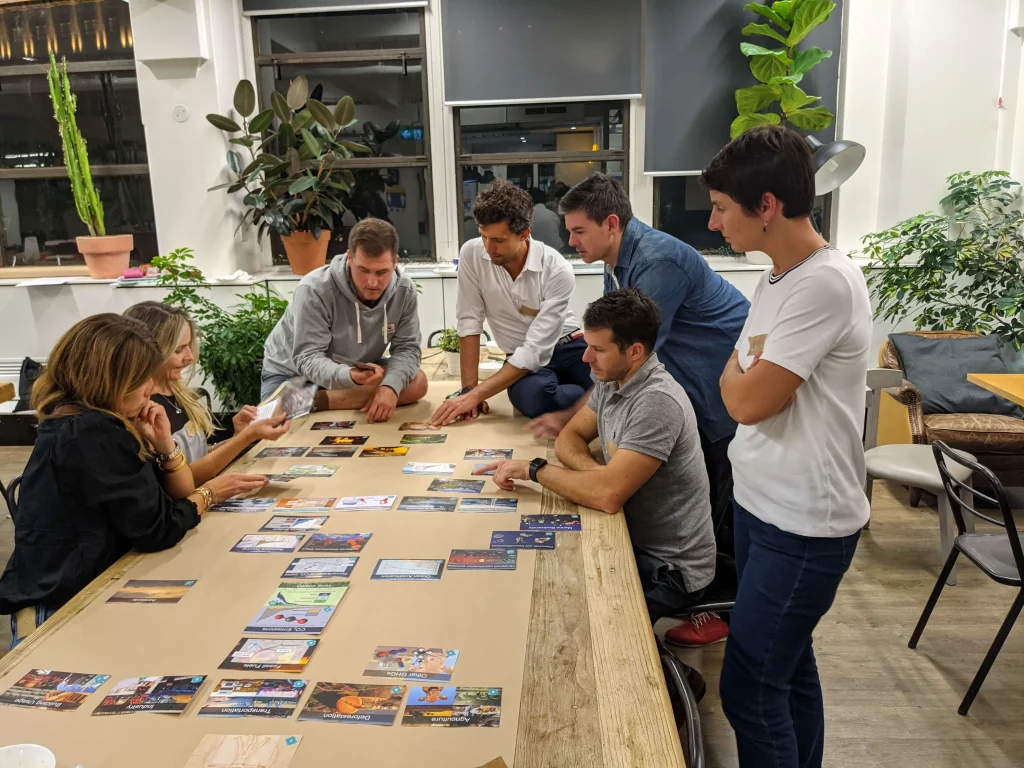
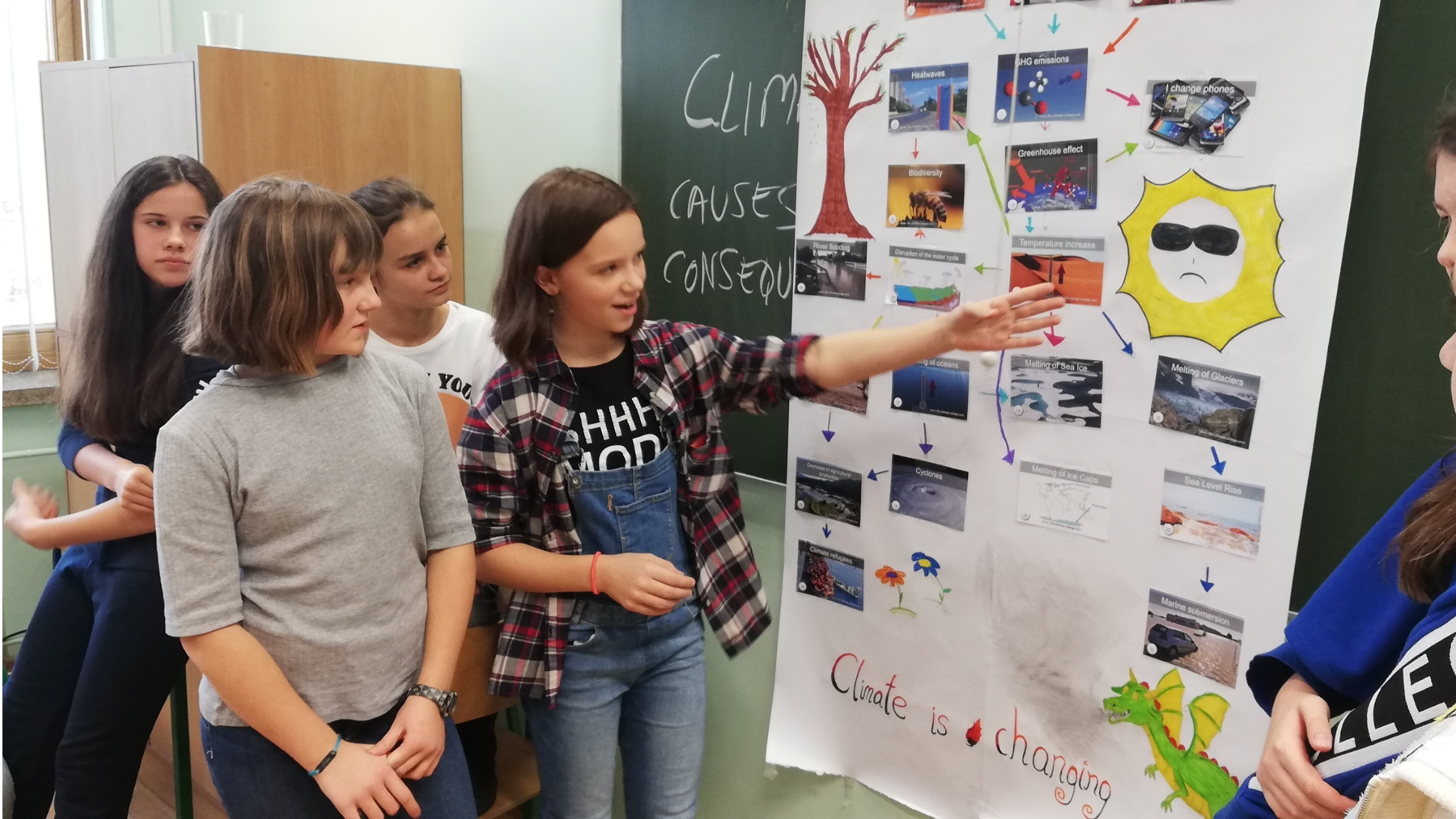
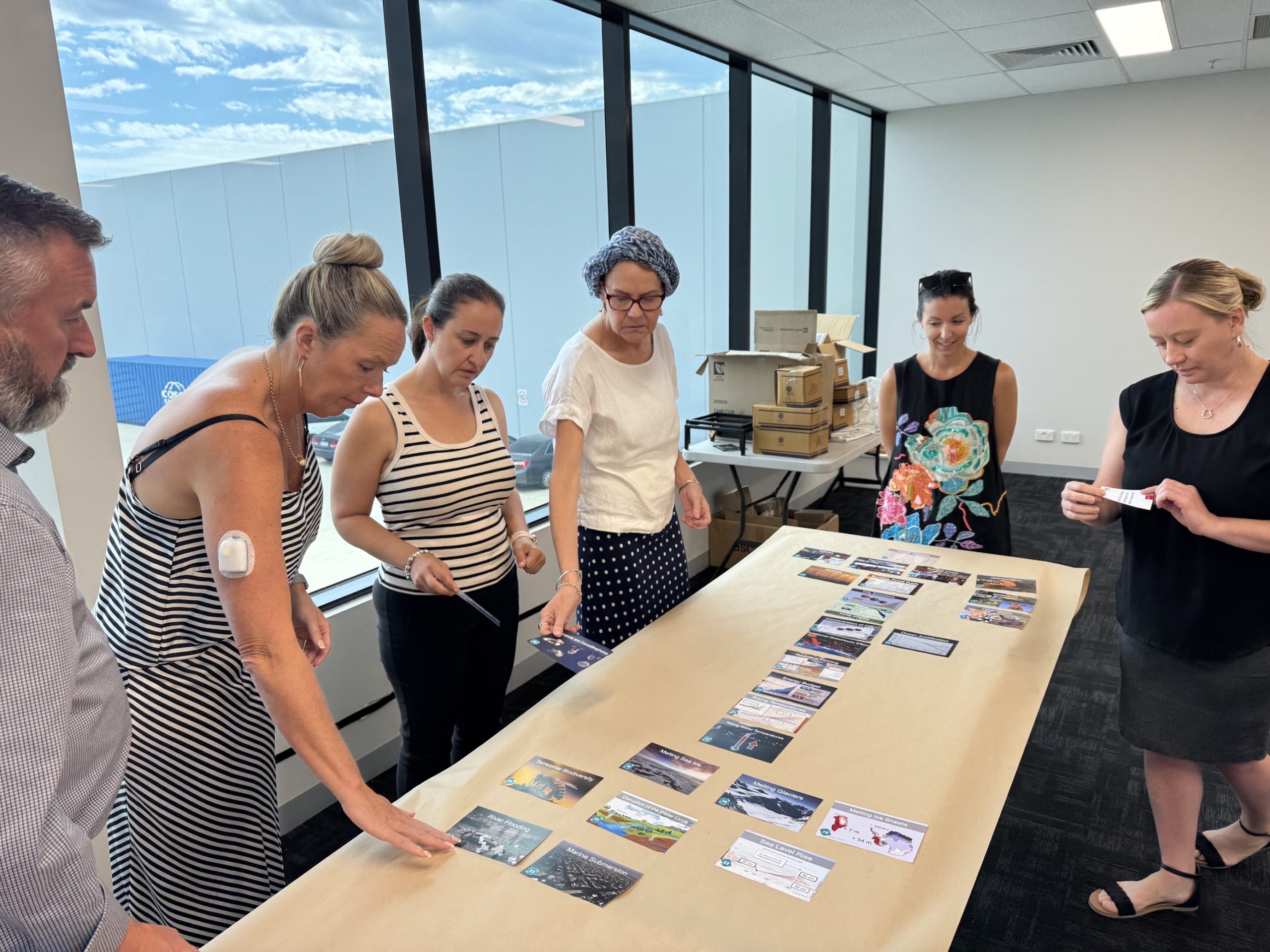
We deliver workshops tailored specifically to younger audiences. Our Climate Fresk for Kids is a fun, interactive, and age-appropriate version of the internationally acclaimed Climate Fresk workshop.
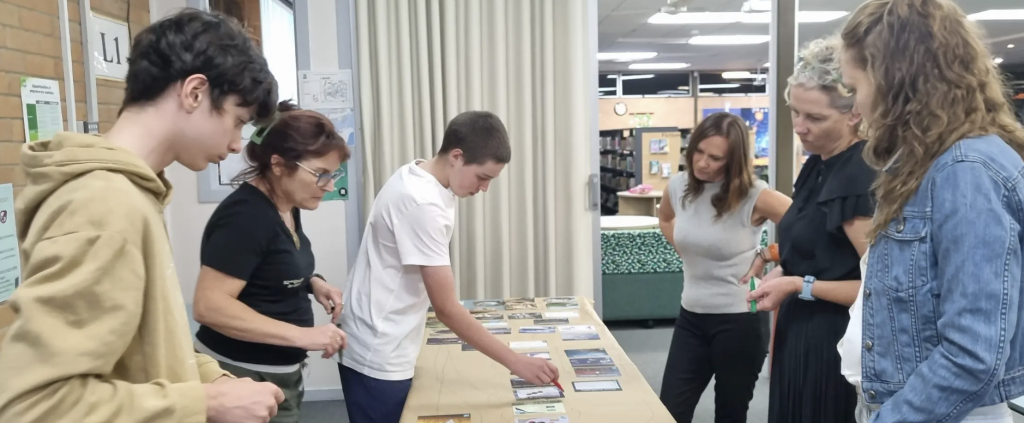
This playful, science-based workshop is designed to introduce students aged 10 and up to the basics of climate change. Using colourful illustrations and a card game format, students explore:
🧐 What causes climate change
🌎 Its effects on people and the planet
🙌 How we can take action
This kid-friendly Climate Fresk has been developed by teachers and climate experts to make complex science engaging and accessible for younger learners, without overwhelming them.
We’re working with forward-thinking Australian universities to deliver workshops that:
✅ Build climate and biodiversity understanding across faculties and disciplines
✅ Embed literacy into curricula and campus-wide initiatives
✅ Engage academic and operational teams in meaningful action toward net zero
From science and engineering to law, business, and the arts — climate and biodiversity touch every field. Now is the time to empower every department.
🌿 These are some of the universities are leading the way: The University of Newcastle, Griffith University, UNSW, and UTS.
Community education helps drive broader change
Education isn’t just about understanding the problem – it’s about inspiring people to act. When people understand, they care – and when they care, they act.
Our interactive and fun workshops aim to help people learn about climate change, biodiversity, sustainability and what they can do to make a positive difference.
Climate literacy empowers Australians to participate in climate-related discussions, vote for climate-conscious leaders, and engage in citizen science initiatives that can drive local conservation efforts.
Want to organise a workshop for your community? Get in touch!
Believe in a better future? So do we.
At People For Nature, our mission is bold: to educate 27,000 Australians by 2027 on climate and biodiversity, empowering them to take meaningful action for our planet.
Your donation fuels citizen-powered education that turns knowledge into action—and action into lasting change. Donate today and be part of the change.
💚 Together, we can shape a planet-boundaries literate Australia.
VSL Australia has put sustainability at the centre of its operations, and has a big focus on educating and empowering its workforce.
Internally driven by Jonathan Handschuh, one of our Ambassadors, VSL has run countless Climate Fresk workshops, helping its teams understand climate science and how they play a part in creating a better future.
The organisation has now moved into the next phase of climate education, running Biodiversity Collage workshops. This is deepening understanding, building further engagement and accelerating climate action.
Program Objectives
VSL Australia has set an ambitious climate action plan. To deliver on it, employees need to be engaged and understand the role they can play in achieving its goals. By building climate literacy and fostering awareness of the challenges, people can see how their actions contribute to a more sustainable future.
Impact & Feedback
“Rolling out Climate Fresk workshops across the organisation has helped mobilise our teams. When people connect emotionally with climate facts, their actions become more meaningful and impactful. And the impact extends beyond the workplace: when people connect the dots they drive positive change in their personal lives as well.”
Andrew Manser, Managing Director, VSL ANZ
Interested in organising a workshop for your organisation?
We’ll empower your people to power change for nature. Contact us today to find out more.
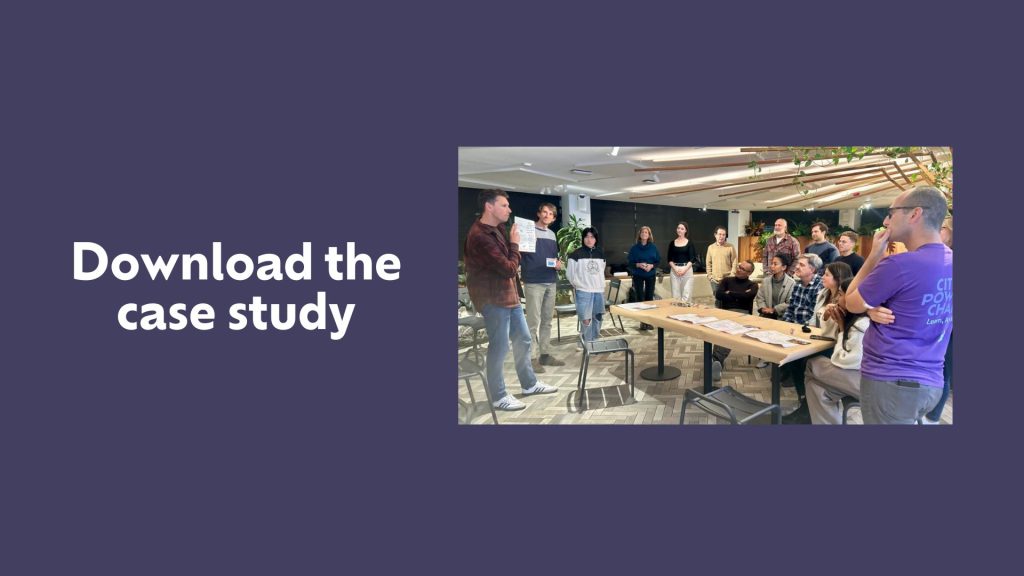
Click below to download the VSL Australia case study.
People For Nature harnesses the power of people and the strength of collaboration and science to take meaningful steps to create a more resilient planet and sustainable future.
We’re on a mission to empower all Australians to actively protect biodiversity and build climate resilience. We champion a citizen-centred approach, empowering communities to take action through education, action and science. Nature belongs to everyone, and we share a collective responsibility to safeguard it for future generations.
Founded by three Certified Environmental Practitioners (CEnvP): Audrey Barucchi, Dr Fanny De Busserolles, and Olivia Woosnam, People For Nature brings together a group of like-minded individuals and organisations. Together we’re all working towards the goal of keeping the planet habitable for all.
Read on to find out more about the amazing people who are helping us create positive ecological change:
Carole Defago | Climate Fresk Program Lead (read her story)
Meet Jenni Philippe | Circular Economy Collage Program Lead (read her story)
Mélanie Ducros | Climate Literacy Facilitator & program lead VIC
Meet our Ambassadors
Ambassadors are the heart of our initiative, running workshops year-round and reaching people of all ages, from schools and communities to businesses. Together, we’re helping to bridge knowledge gaps, inspire action, and create a more sustainable future for all.
About Our Ambassador Program
Our Ambassador Program is part of a rapidly growing movement, with ambassadors across the country working to spread climate and biodiversity education, action and impact. Through this program, passionate people are trained and empowered to host workshops that drive meaningful action and understanding of environmental issues.
If you’re interested in hosting a workshop or becoming an ambassador, get in touch and join us in making a difference!
Melissa is a Climate Fresk, Biodiversity Collage and Circular Economy Collage facilitator based in Tasmania.
She joined People For Nature as an Ambassador because she firmly believes in our mission to empower citizens through engaging educational experiences.
Melissa is the founder of Wild-Built, a boutique consultancy offering strategic, cross-disciplinary expertise to help businesses align with future, real-world challenges. Melissa blends 20 years of marketing, brand, business and sustainability skills to help business leaders activate their strategic imagination and their humanity, in service of a liveable future.
“Participating in the workshops offered by People For Nature has changed the trajectory of my life, and I’m inspired to be part of the movement to make that happen for others. We have a rapidly closing window to act on the climate crisis and biodiversity crisis – which are symptoms of our consumerist, extractive way of life.”
“We simply will not see this action from governments and businesses alone – we need to come together, form community and create a shared vision of the future – with a revived reverence for nature – if we’re to create a liveable future for all. People For Nature provides the ideal platform to engage and empower citizens to do just that.”
At People For Nature, we’re all about empowering people — individuals and communities alike — to take meaningful action on climate and biodiversity. But what makes us a bit different is how we operate: not just as a registered environmental charity, but also as a social enterprise. This means we blend the heart and purpose of a charity with the creativity and sustainability of a business.
What’s a Social Enterprise, Anyway?
Simply put, a social enterprise is a business set up to solve social or environmental problems. Instead of focusing on making profits for shareholders, it reinvests any money earned back into its mission. The Social Enterprise Council of NSW & ACT (SECNA) describes it as a business that trades to create positive change — both for people and the planet.
Social enterprises sit at this really exciting crossroads of doing good while staying financially sustainable. They’re not just charities relying on donations, and they’re not just businesses chasing profit. They’re something fresh — combining the best of both worlds to make a real difference.
Why Environmental and Social Work Go Hand in Hand
We truly believe that environmental issues are human issues. Some might say the environmental crisis is, at its core, a human crisis. When ecosystems suffer, people do too — especially vulnerable communities. Climate change and biodiversity loss affect people’s health, wellbeing, and livelihoods. That’s why at People For Nature, we see environmental care and social justice as inseparable.
By supporting nature, we’re supporting communities, and by empowering people, we’re protecting nature. It’s all deeply connected.
People For Nature: A Social Enterprise With a Charitable Heart
We’re proud to wear two hats:
Registered Environmental Charity: We’re officially recognised for our work benefiting the public, which means your donations are tax-deductible. We’re committed to being open, honest, and accountable in everything we do.
Social Enterprise: We also run educational workshops, corporate training, and community programs that generate income. This earned revenue helps us grow our impact and stay financially strong — all without losing sight of our environmental mission.
Why We Joined SECNA
SECNA is more than just an organisation — it’s a thriving community of changemakers who believe business can be a powerful force for environmental and social good. Being part of SECNA means we’re connected to:
Other nature-focused social enterprises like ours, helping each other thrive
Advocates pushing for policies that support and grow social and nature enterprises
A network of passionate people bridging business, environment, and community sectors
Being a SECNA member makes us stronger. It helps us blend smart business skills with deep care for nature. Because we know that solving climate and biodiversity challenges means finding new, creative ways that are both impactful and sustainable in the long run.