
Biodiversity isn’t just a “nice-to-have” — it’s the foundation of our economy. From agriculture and tourism to supply chains and product innovation, healthy ecosystems underpin every business activity. Yet understanding the state of the world’s ecosystems can feel overwhelming. That’s where the IPBES reports come in — and why they are essential for Australian businesses.
What is IPBES?
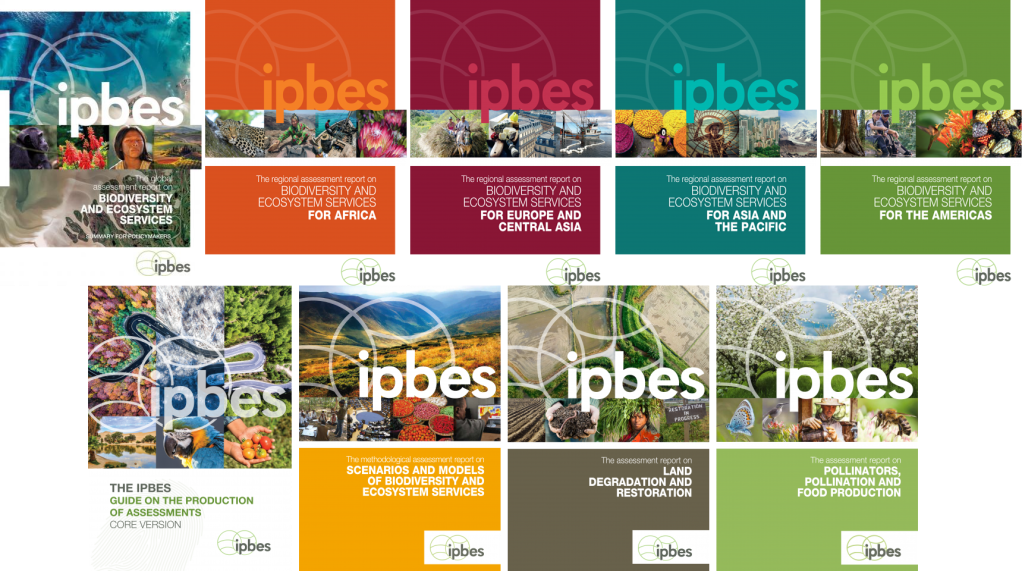
The Intergovernmental Science-Policy Platform on Biodiversity and Ecosystem Services (IPBES) is often called the “IPCC for nature.” Its mission is to provide scientifically rigorous assessments of the state of global biodiversity and the ecosystem services it provides — the benefits humans rely on, from clean water and fertile soil to pollination and climate regulation.
IPBES reports identify the drivers of biodiversity loss, the consequences for society and the economy, and the urgent actions needed to safeguard nature. They translate complex science into actionable insights for governments, NGOs, and businesses.
Why IPBES Matters in Australia
Australia is home to some of the world’s most unique and fragile ecosystems. Its biodiversity is deeply tied to the economy:
- Agriculture depends on healthy soils, pollinators, and water systems
- Tourism relies on vibrant natural landscapes
- Urban and resource development must account for ecosystem resilience
The IPBES reports highlight that biodiversity loss is not just an environmental problem — it’s an economic risk.
Ecosystem degradation threatens productivity, disrupts supply chains, and increases business exposure to regulatory and reputational risk. For Australian companies, this makes understanding and acting on biodiversity critical.
Why Businesses Must Pay Attention
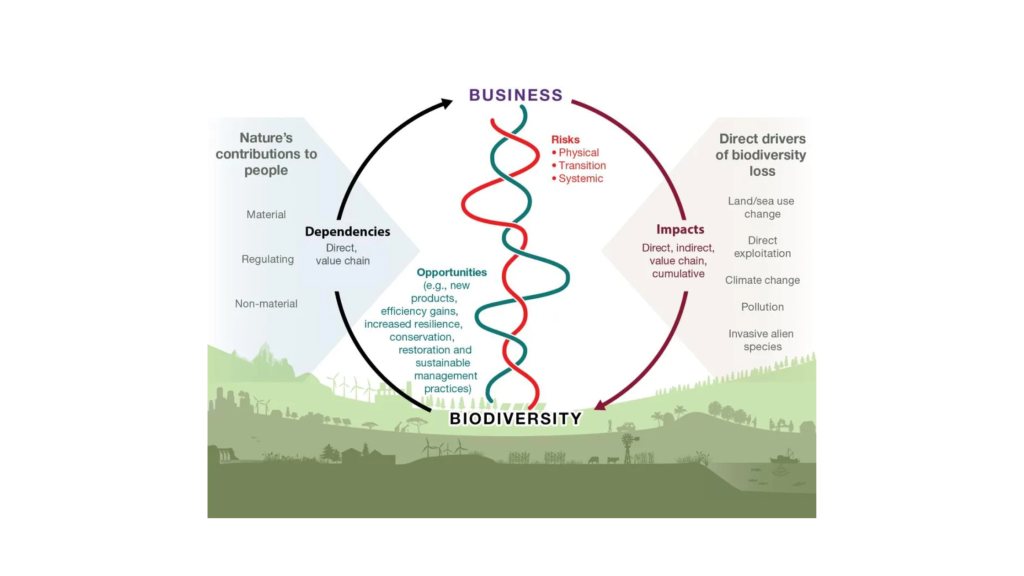
Biodiversity underpins every product and service. A business that ignores the state of ecosystems is exposing itself to hidden risks:
- Supply chain disruption from resource scarcity or species loss
- Increased operational costs due to degraded ecosystems
- Reduced resilience to climate impacts
- Reputational damage as stakeholders demand responsible practices
The IPBES reports give businesses the evidence and guidance to identify these risks, make informed decisions, and invest in solutions that safeguard both nature and the bottom line.
Making Complex Science Digestible
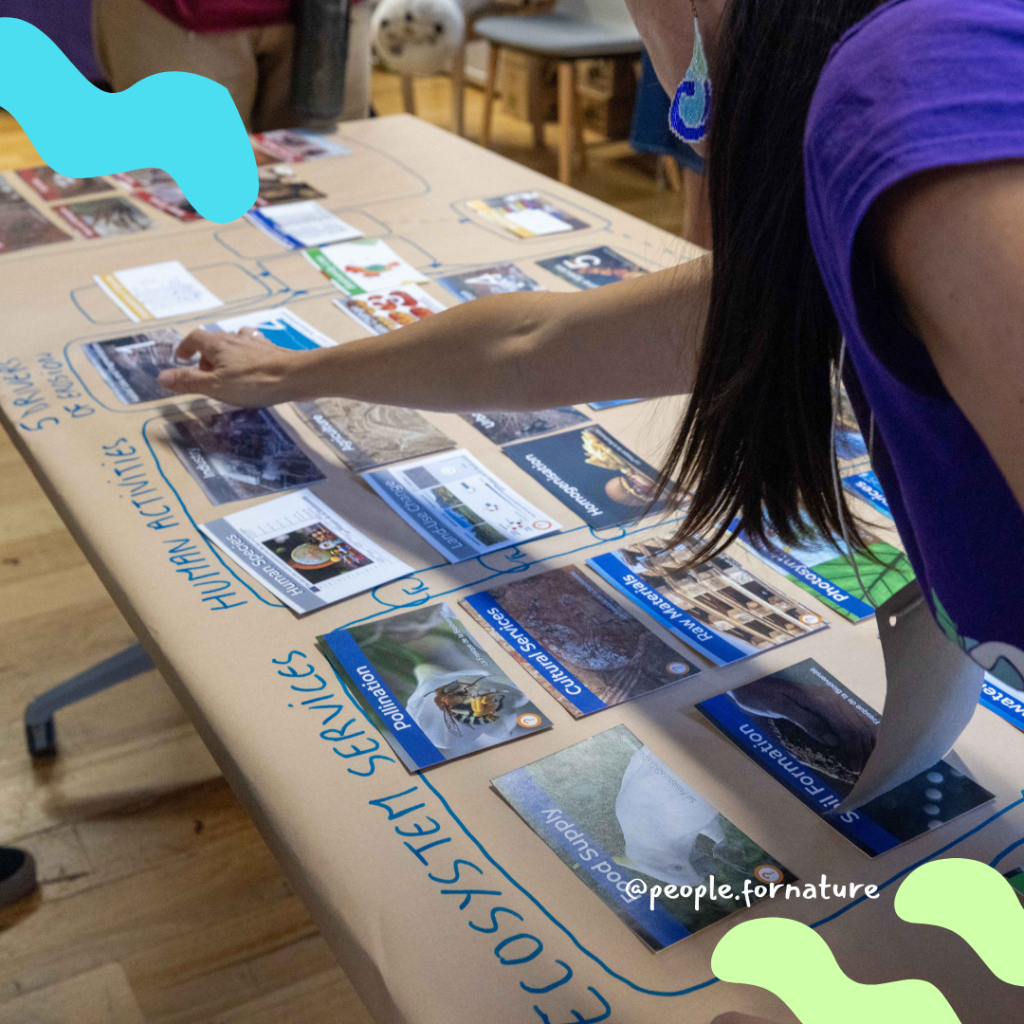
The challenge is that IPBES reports are dense and technical. That’s why tools like Biodiversity Collage (Fresque de la Biodiversité) are so valuable. Through interactive workshops, businesses can:
- Understand the key findings of IPBES in a fun, visual way
- Explore how their operations impact biodiversity
- Identify practical solutions that reduce risk and improve resilience
- Build team awareness and culture around sustainability
In short, Biodiversity Collage transforms complex science into actionable insights, helping teams make nature-informed decisions while fostering collaboration and engagement.
For Australian businesses, biodiversity is not optional — it’s a strategic asset. The IPBES reports provide the knowledge needed to understand the risks and opportunities. Tools like Biodiversity Collage make this science accessible, engaging, and actionable, empowering businesses to protect ecosystems, strengthen resilience, and future-proof their operations.
Investing in biodiversity knowledge isn’t just good for nature — it’s essential for the sustainability and success of business in Australia and beyond.
If you’re a business leader who wants to understand how biodiversity impacts your operations — and discover practical ways to build resilience while engaging your team — we’d love to have a conversation. Get in touch with us at People For Nature to explore how Biodiversity Collage can make these insights actionable for your organisation, turning complex science into real-world impact.
Leave a Reply