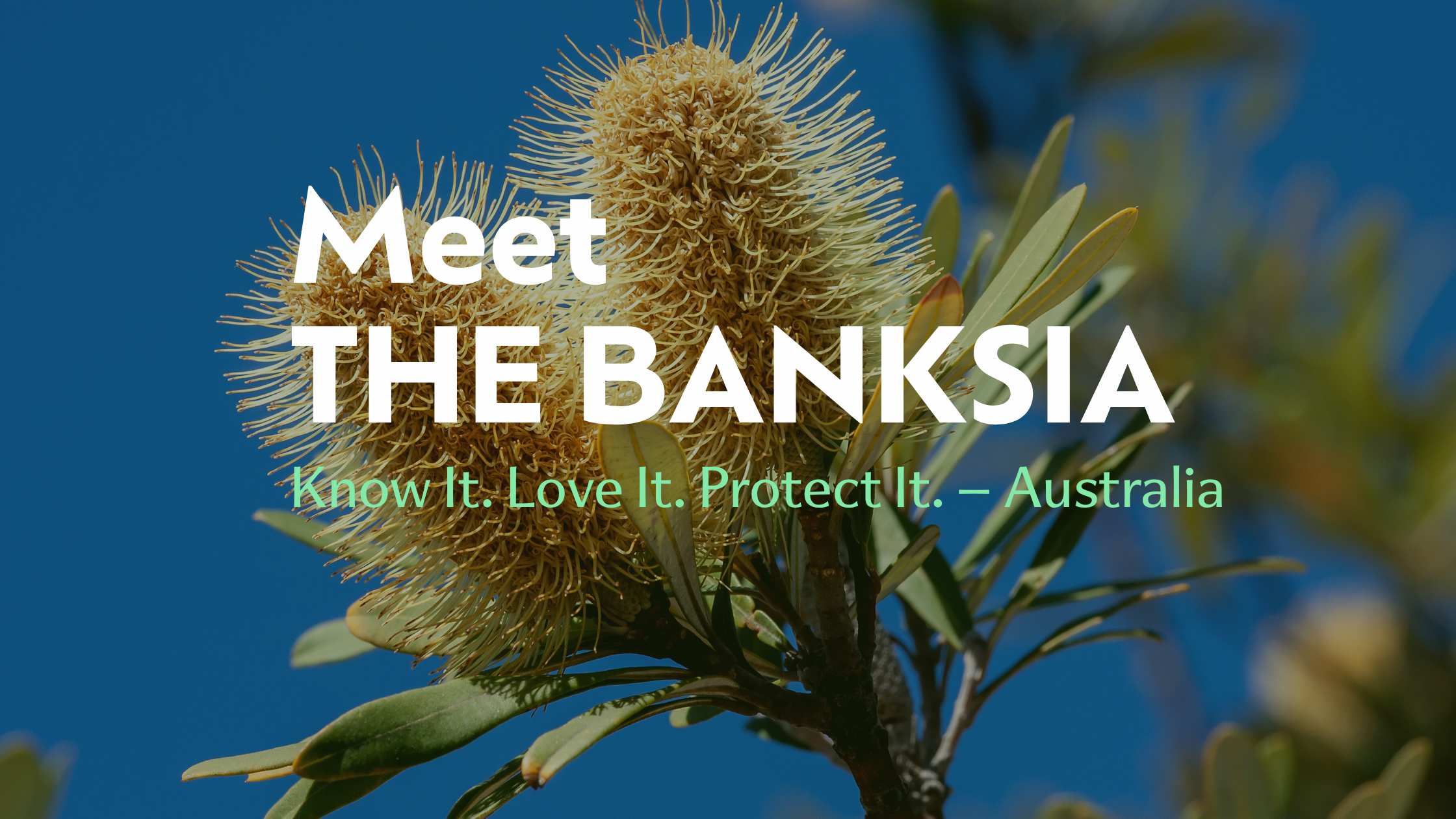
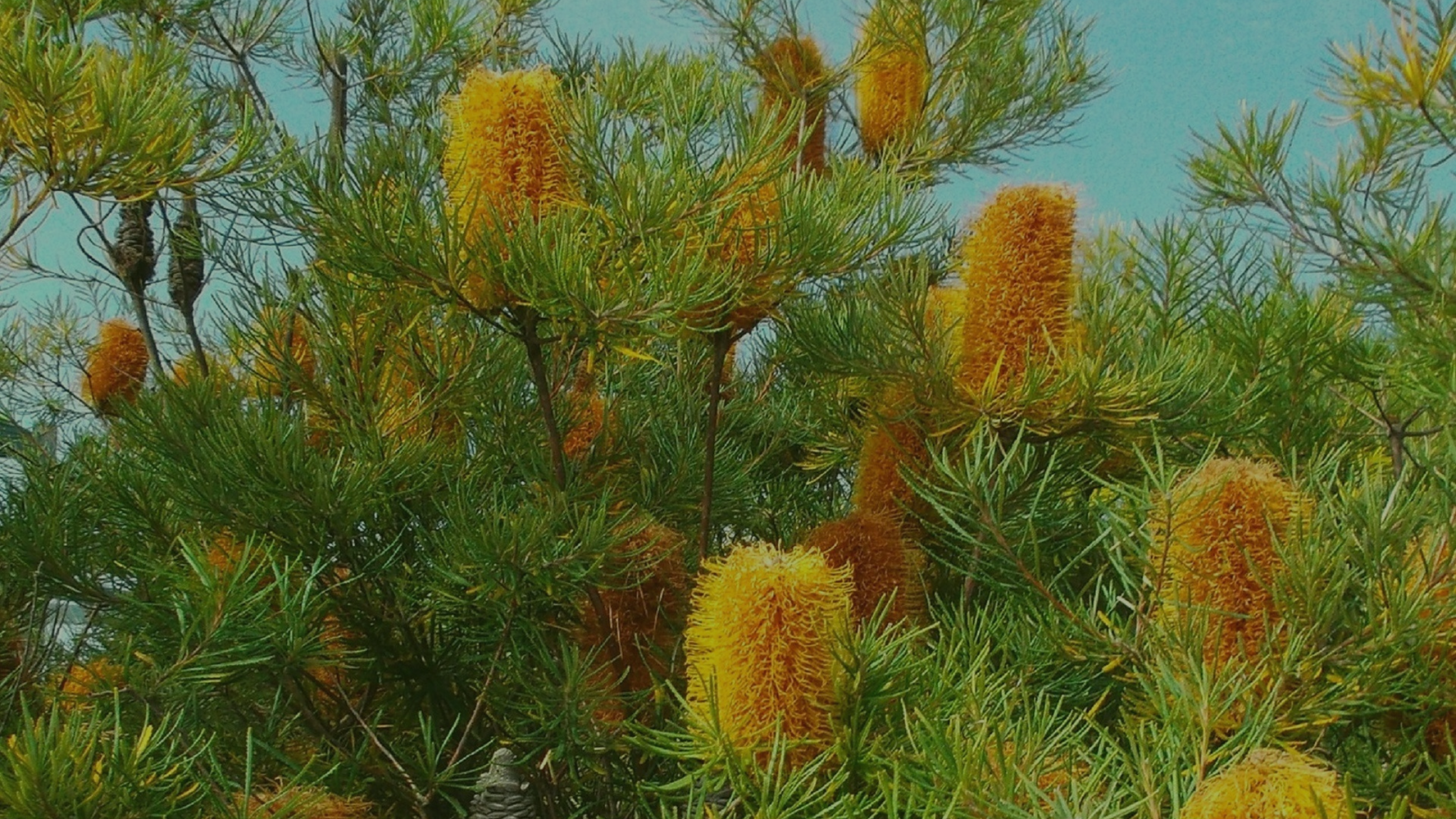
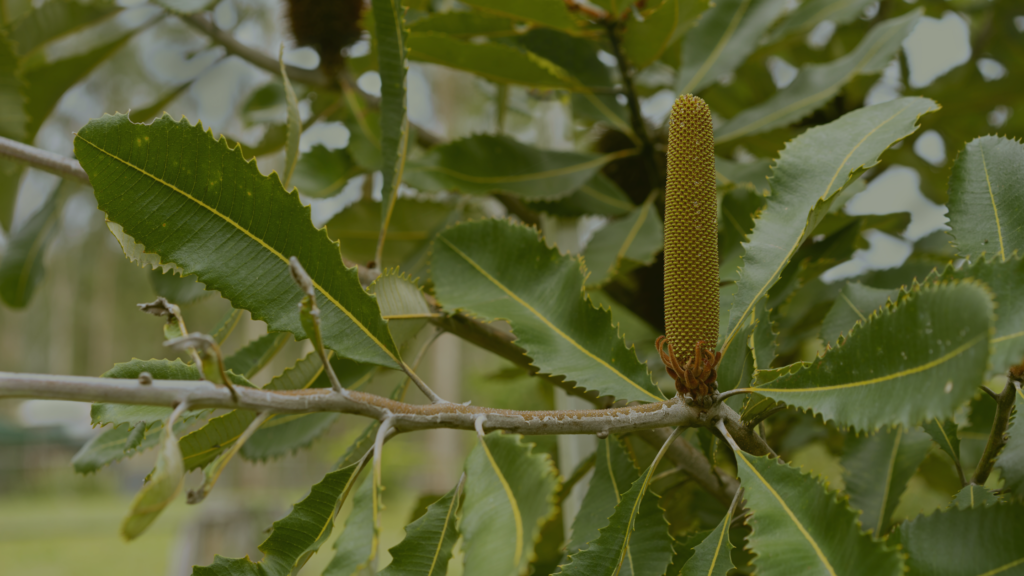
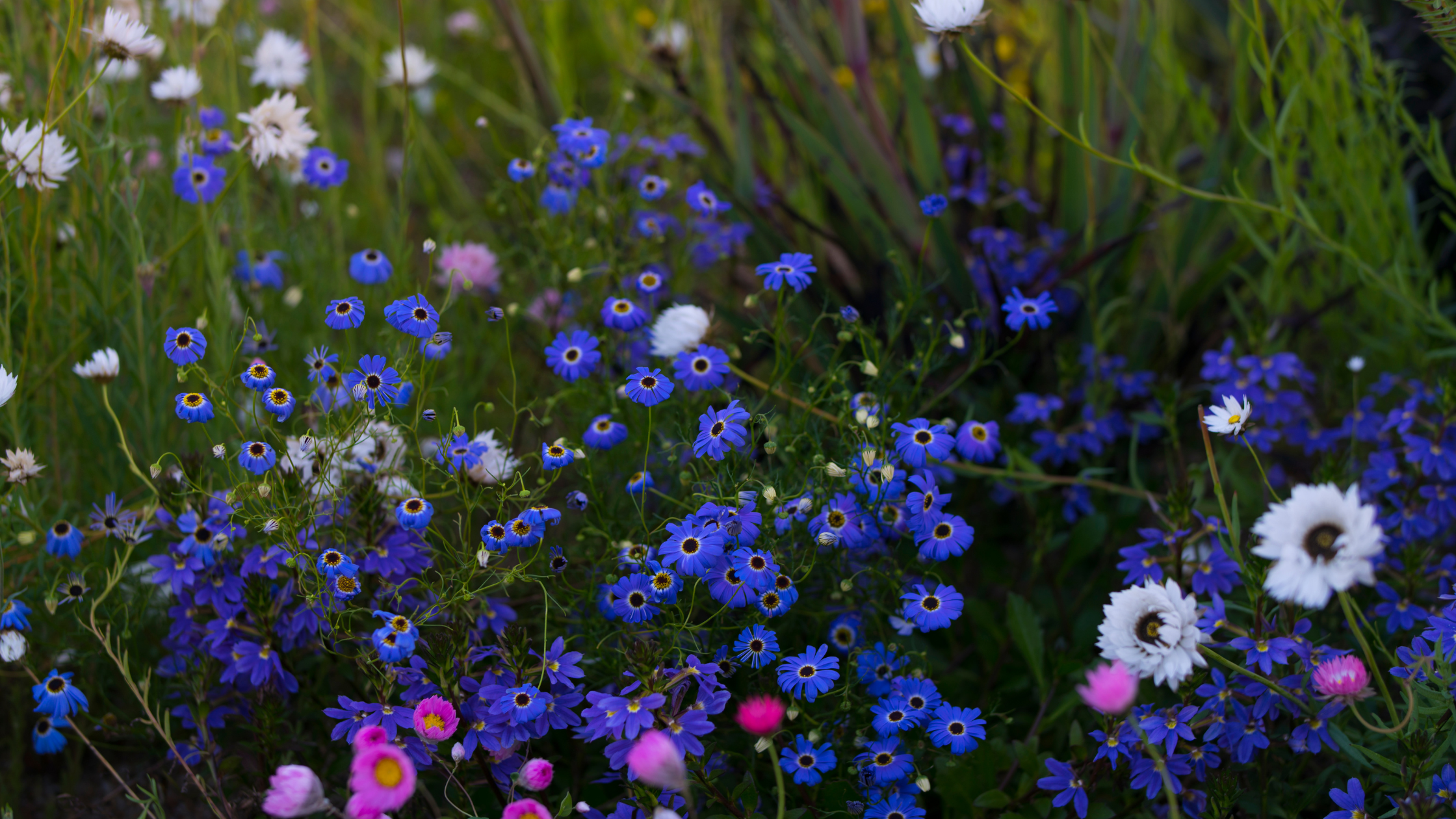
Found across much of Australia, the Banksia is one of the country’s most recognisable native plants, known for its striking flower spikes and distinctive woody cones.
With 173 species occurring across a wide range of habitats, from coastal regions and tropical areas to deserts and sub-alpine environments, the Banksia demonstrates the remarkable adaptability of Australian flora.
It is a reminder that Australia’s biodiversity is not only found in its animals, but also in the plants that support entire ecosystems.
Why it matters
Banksias play an important role in supporting wildlife and ecological health across Australia.
🌸 Their flowers provide food for birds, insects and other pollinators
🍂 Many species flower during autumn and winter when food resources can be limited
🌰 Their cones provide food for species such as cockatoos
🌿 They help support biodiversity across a wide range of Australian landscapes
Through these interactions, Banksias help sustain the complex relationships that keep ecosystems healthy and functioning.
Fun facts
🤓 There are 173 Banksia species and all but one occur naturally only in Australia
🤓 Banksias were named after Sir Joseph Banks, who collected the first specimens in 1770
🤓 Each flower spike is made up of hundreds, and sometimes thousands, of tiny flowers
🤓 Indigenous people in south-western Australia traditionally enjoyed Banksia nectar and used flower spikes to make a sweet drink
A deeper reflection
The Banksia reminds us that plants are often the overlooked foundation of biodiversity.
While animals frequently capture our attention, native plants create the habitat, food and ecological connections that support life across entire landscapes.
Many Australian plant communities now face pressures from land clearing, habitat fragmentation, invasive species and a changing climate.
In a country with over 600,000 native species, most found nowhere else on Earth, the Banksia is a reminder that protecting biodiversity begins with protecting the ecosystems that sustain it.
How we care for native plants today will shape the future of the wildlife that depends on them.
From Wonder to Action
Learn & understand
Explore how biodiversity, climate, and land systems are deeply connected through our workshops with People For Nature.
Create your Nature Oasis
Plant native species to restore habitat and support the insects, birds, and wildlife that depend on them.
Join citizen science
Record native species around you on iNaturalist and contribute to real conservation data.
(Special thanks to Simon Andrews, Ambassador for People For Nature, for helping shape this story)
Climate Fresk, Biodiversity Collage, and Circular Economy Collage Facilitator, NSW
Oscar is an experienced sustainability educator, passionate about demystifying the science behind climate change through gamification.
He is a Climate Fresk, Biodiversity Collage, and Circular Economy Collage Facilitator, based in Sydney, NSW.
Oscar believes education is key to driving real change in the way we treat our only home.
“I love the energy of being among people keen on protecting our earth. At People For Nature I see the passion and creativity required to make an impact using education. It’s why I love being here.”
Carole is an experienced Climate Fresk and Biodiversity Collage Facilitator based in Sydney, NSW.
With over 15 years of experience driving improvement and leading high-performing teams across diverse sectors, Carole brings a deep understanding of what it takes to create meaningful change. Her climate journey is rooted in a belief that education is the first step towards action.
Carole channels her passion for learning into empowering individuals and organisations to take informed climate action. Whether she’s delivering workshops or mentoring others, Carole is helping build a future where climate knowledge leads to confident, collective action.
Jenni is an experienced circular economy collage facilitator, who believes in the power of collective intelligence and action.
Day to day, she works on changing the overall economic system with government and private organisations where she co-develops and implements circular economy initiatives. She also volunteers as Co-Chair of the Infrastructure & Precincts Taskforce at Circular Australia bringing industry, government and academia together to advocate and activate place-based circularity.
Her focus is on educating and enabling circular economy actions from the ground up, at a community level.
We need to transform our mindset and systems, and it will take all of us to move toward a regenerative, life-centered society.I joined People For Nature as an Ambassador to contribute to grass-roots citizen change, which is another critical part of the ecosystem.
In her personal time, Jenni loves being in nature and meditating. She also dedicates a lot of time researching, volunteering and attending events about regeneration, first nations knowledge, decolonisation and community engagement.
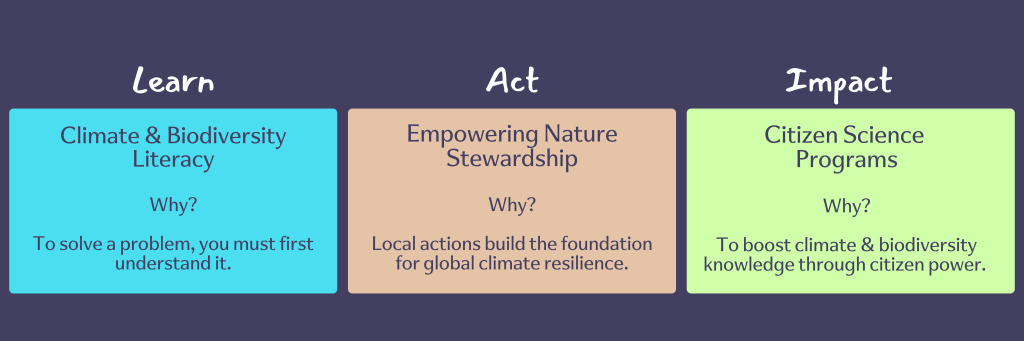
The three pillars that are core to People For Nature, “learn, act, impact” totally resonate with me. To make changes we need to gain knowledge on the climate and biodiversity crisis that we are in. But, also, it is essential to harness our strength and identify how / where we can take action so we can truly make an impact. People For Nature does exactly that, translating science-based knowledge into accessible and engaging learning experiences and offering tangible actions that we can all make a difference.
Virginie is a Climate Fresk facilitator in NSW. She joined the Fresking community a few years ago and has loved being a part of it ever since.
“I’m passionate about how climate education can spark change even for those who already have a strong knowledge of climate science. There’s always another layer to uncover. Every workshop leaves me inspired by the rich, honest conversations that unfold. They help all of us (me included) see more clearly the paths we’re on, and the choices we can make, together or individually, for a more sustainable future.”
“I’m genuinely excited to guide others through these workshops and share what I’ve learned, so they leave feeling empowered, just as I do after every single session, to take on more climate action.
I’m equally excited to keep learning alongside this caring community, who bring such a wealth of ideas and perspectives. It’s a powerful group from all over Australia, with different mindsets and backgrounds, coming together to turn knowledge into meaningful action, one step at a time”
Tom is a seasoned, pro-trained Climate Fresk facilitator for business, based in Sydney.
He also volunteers as an ambassador with People for Nature, supporting climate education and engagement across the community.
Through his firm, EcoProsper Consulting, Tom helps leaders navigate the converging crises of climate, ecology, and economic disruption, transforming uncertainty into strategic clarity and action.
He supports businesses and mission-led organisations across Australia to become more regenerative, resilient, and future-fit, using globally recognised tools like Climate Fresk, the Doughnut Economics Design for Business tool, and the En-ROADS climate simulator.
“Fresking is one of the most effective ways to build shared understanding and motivation for action, whether in the community or inside an organisation. It’s fun, team-building, and evidence-based. Action on climate is urgent, and helping more people experience a workshop like Climate Fresk is part of how we scale awareness and action.”
Tom is available to deliver Climate Fresk workshops for organisations during business hours, Australia-wide.
People For Nature was founded by Audrey Barucchi and Dr Fanny De Busserolles, both Certified Environmental Practitioners. Audrey brings extensive experience in climate education, engagement, and systems change across sectors, while Fanny is a marine biologist and research scientist with deep expertise in biodiversity, ocean ecosystems, and climate science. Together, they combine science-based insight with practical, action-oriented approaches to help people and organisations better understand and respond to the nature and climate crisis.
What does it mean?
The Certified Environmental Practitioner (CEnvP) Scheme assesses the experience, skills, and ethical conduct of environmental professionals. Our three founders have been formally vetted and endorsed as leading environmental experts.
CEnvPs uphold and are accountable under the EIANZ Code of Ethicsfor the environmental profession, which provides a formal framework for practicing ethically, competently, and responsibly with regard to the natural and cultural values of our shared environment.
The EIANZ or Environment Institute of Australia and New Zealand is Australasia’s leading body for environmental practitioners.
Why does it matter?
CEnvP certification is a rigorous and impartial process.
It sets environmental professionals apart by proving their expertise, ethical standards, and commitment to best practice. Recognised across Australasia, it builds trust and strengthens credibility.
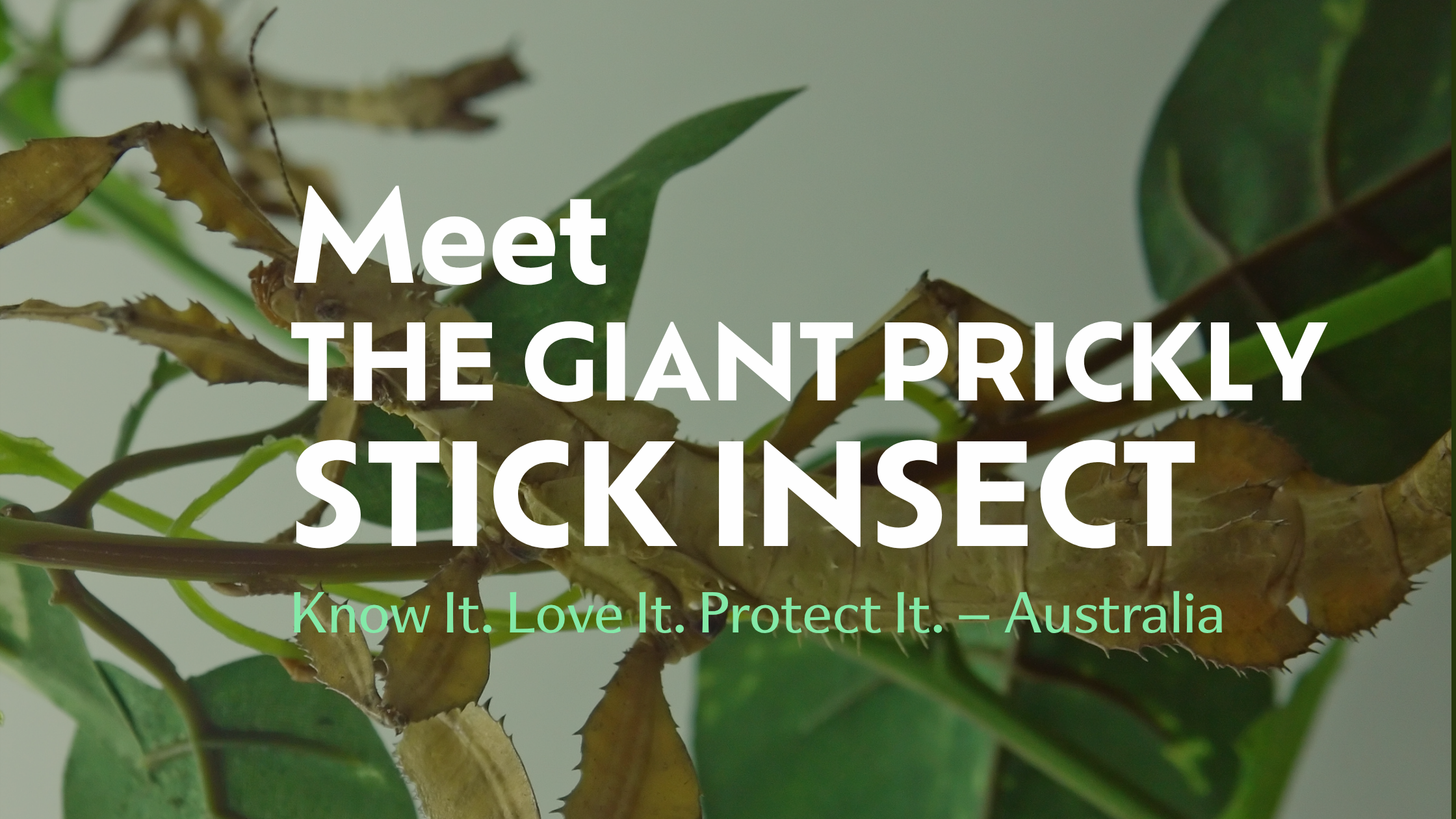
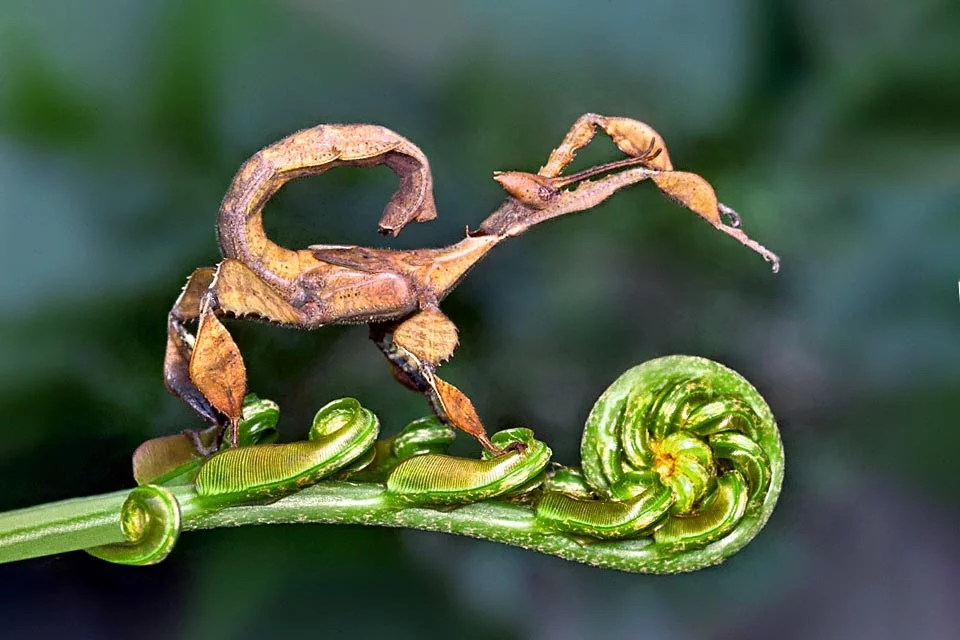
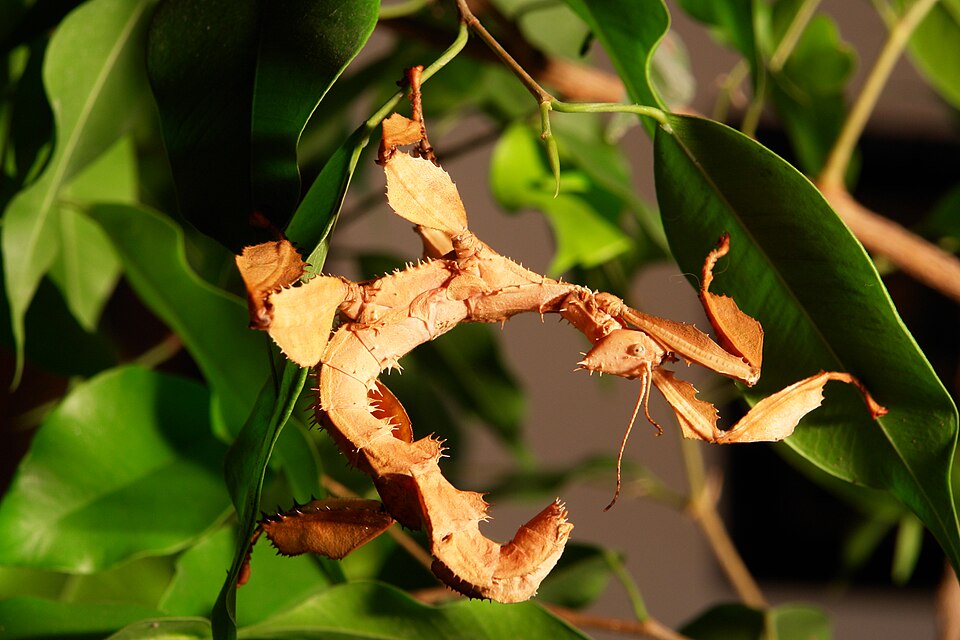
One of Australia’s largest and most striking insects, the Giant Prickly Stick Insect can grow up to 20 centimetres long and has evolved an extraordinary appearance that allows it to disappear into its surroundings.
With its spiny, branch-like body and prickly legs, this remarkable insect resembles a twig or piece of vegetation and can even sway like a branch in the wind to avoid being detected by predators.
It is a reminder that some of nature’s most impressive adaptations are hiding in plain sight.
Why it matters
The Giant Prickly Stick Insect is part of the rich diversity of insects that support healthy ecosystems.
🍃 Stick insects are important herbivores that interact with native vegetation and contribute to ecological processes
🕸️ They form part of food webs and provide prey for birds, reptiles and other animals
🌿 Their presence reflects the health and complexity of native habitats
🦗 They highlight the incredible diversity and adaptability of Australia’s invertebrate life
Although often overlooked, insects such as the Giant Prickly Stick Insect are essential components of functioning ecosystems.
Fun facts
🤓 The Giant Prickly Stick Insect can grow up to 20 centimetres long, making it one of Australia’s largest stick insects
🤓 If threatened by a predator, it can shed a leg or part of its body to distract the attacker and make its escape
🤓 Females can reproduce through parthenogenesis, meaning they can produce offspring without mating
🤓 Despite this ability, males remain important because they help maintain genetic diversity and long-term adaptability within the species
A deeper reflection
The Giant Prickly Stick Insect challenges the idea that conservation is only about protecting large or charismatic animals.
Invertebrates make up the vast majority of biodiversity and perform countless ecological roles that support the health of ecosystems, yet they are often overlooked in conservation conversations.
Like many native species, stick insects are vulnerable to habitat loss, climate change and the degradation of the environments they depend upon.
In a country with more than 600,000 native species, many found nowhere else on Earth, the Giant Prickly Stick Insect reminds us that biodiversity includes the small, hidden and easily forgotten species that quietly keep ecosystems functioning.
How we care for insects and their habitats will shape the resilience of Australia’s natural systems for generations to come.
From Wonder to Action
Learn & understand
Explore how biodiversity, climate, and land systems are deeply connected through our workshops with People For Nature.
Create your Nature Oasis
Plant native species to restore habitat and support the insects, birds, and wildlife that depend on them.
Join citizen science
Record native species around you on iNaturalist and contribute to real conservation data.
(Special thanks to Simon Andrews, Ambassador for People For Nature, for helping shape this story)
We empower your people to create positive change for nature
As businesses face the growing urgency of climate and biodiversity challenges, we believe your organisation has the potential to lead the way in creating meaningful change.
At People for Nature, we’re not interested in a traditional charity-corporate partnership. Instead, we’re building something different: a strategic relationship aimed at transformative change from within.
Together, we can align purpose with impact, embedding nature-positive solutions directly into your business strategy.
We transform businesses from within
Led by certified environmental practitioners, we combine strategic insight with hands-on experience in science, education, and community action.
Through our tailored training, we empower key people within your organisation to become certified People For Nature Ambassadors — not by doing the work for them, but by equipping them to lead the change from within.
We make complex science simple and actionable, guiding your team every step of the way. These ambassadors don’t just gain knowledge — they become trusted sustainability champions, bridging our expertise with your workplace culture.
They’re not just participants; they’re part of our extended family — the heart of a long-term, values-aligned partnership driving meaningful, nature-positive change from the inside out.
Our approach
1. Science-Based Education to Spark Action
Our globally renowned, science-based workshops translate the latest findings from the IPCC and IPBES into accessible, engaging sessions for your teams.
These workshops spark meaningful dialogue and shift mindsets — building a shared understanding that inspires action across all levels of your organisation.
2.Empowering Ambassadors for Local Impact
Through our Ambassador Program, we empower selected individuals within your organisation to lead the way in climate literacy and local biodiversity action.
These ambassadors become visible champions of your organisation’s environmental commitment, grounded in place and deeply connected to community.
3.Co-Creating Your Nature-Positive Journey
We’ll work alongside your team to co-design meaningful, measurable biodiversity initiatives aligned with your organisation’s sustainability strategy.
Our support includes strategic guidance, action planning, and impact evaluation — ensuring your efforts deliver genuine environmental value.
In-house expertise and national footprint
We bring together deep expertise in climate science, biodiversity, sustainability strategy, and community engagement.
People for Nature is led by two Certified Environmental Practitioners: Audrey Barucchi and Dr Fanny De Busserolles.
The Certified Environmental Practitioner (CEnvP) Scheme assesses the experience, skills, and ethical conduct of environmental professionals.
There are many meaningful ways to partner with People for Nature
Whether through partnerships, in-kind support, or donations, there are many ways businesses support our charitable purpose.Together, we can educate and empower citizens, inspire action for biodiversity, and innovate for a more resilient planet.
Australia is already experiencing the impacts of climate change in ways that affect our communities, ecosystems, and economy.
Despite the urgency, one of the biggest challenges we face is the lack of understanding and awareness of the causes, consequences, and solutions for climate change.
Additionally, in the age of social media, false claims and misleading information about climate change can spread rapidly, undermining public understanding and delaying climate action.
That’s why, at People For Nature, our focus is on educating all Australians – young and old – with the knowledge to make informed decisions and advocate for policies that protect our environment.
By using trusted sources and scientific data, we can combat the spread of misinformation and equip individuals with the facts they need to make informed decisions.
Our goal is to educate 27,000 Australians by 2027 — to tackle climate and biodiversity challenges and drive real change for a sustainable future.
Youth Climate Education
Young people are already experiencing the effects of a changing climate.
That’s why it’s crucial to integrate climate education into schools and universities. Early education fosters a sense of responsibility and urgency, ensuring that the next generation is ready to tackle the challenges ahead.
Teaching children and young adults about the science of climate change, its impacts, and potential solutions can inspire a new wave of climate-conscious leaders, entrepreneurs, and activists who will shape Australia’s future.
When delivered well, climate education fosters hope, builds emotional resilience, and empowers action.
Our work with schools
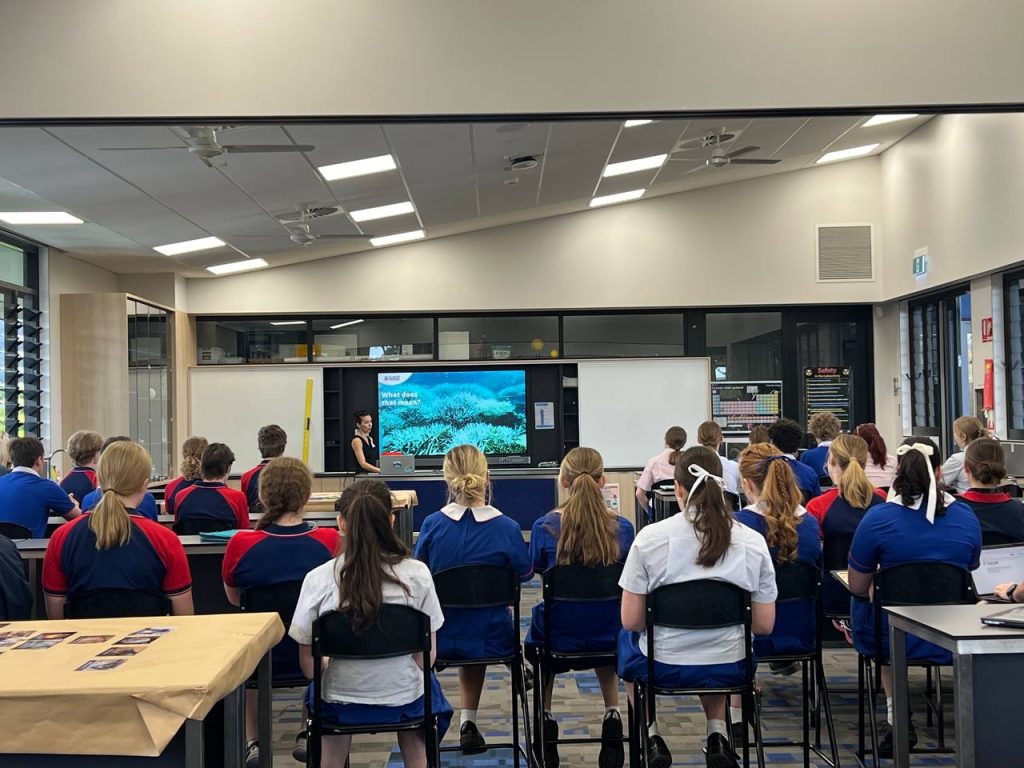
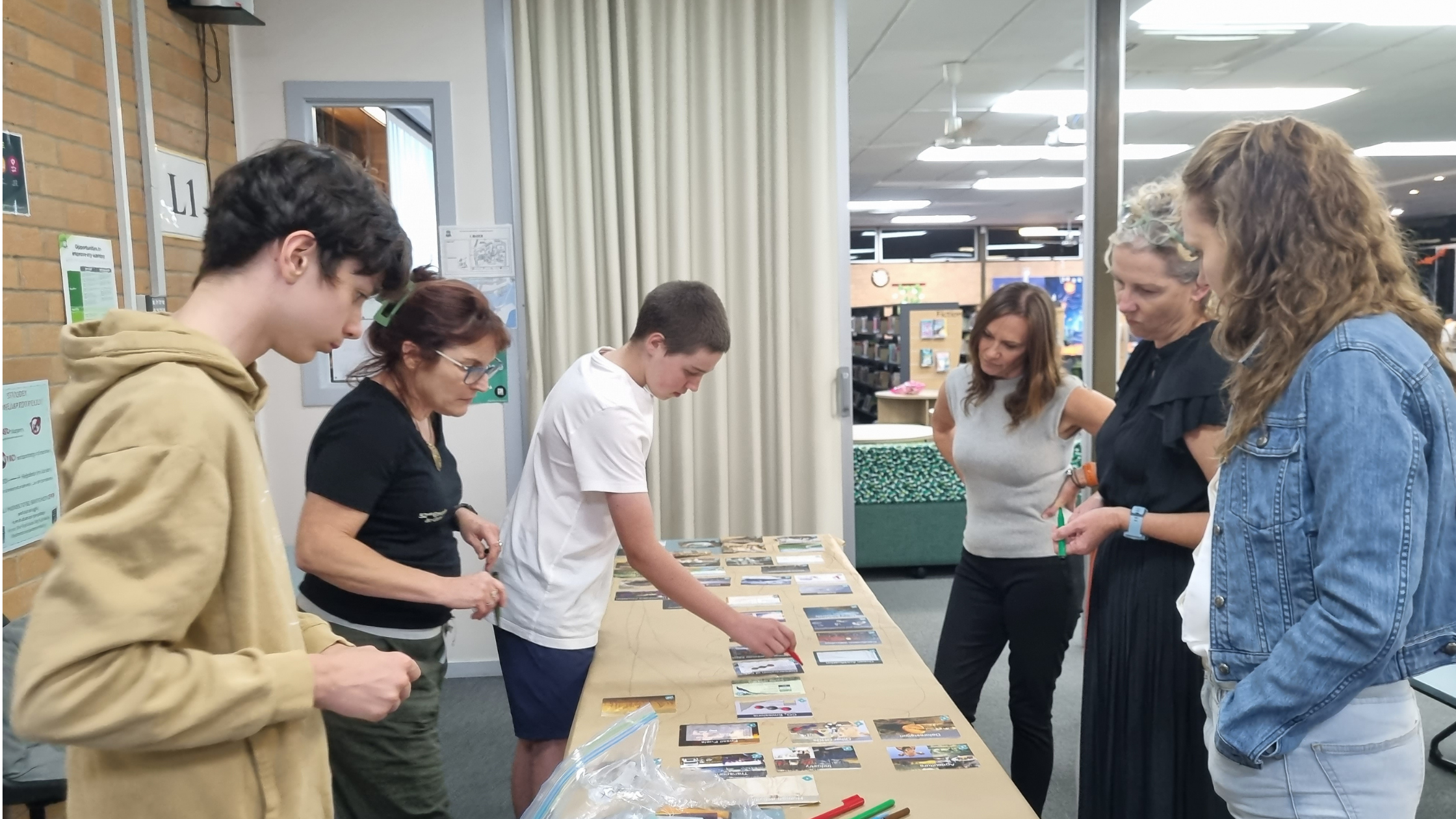
We deliver workshops tailored specifically to younger audiences. Our Climate Fresk for Kids is a fun, interactive, and age-appropriate version of the internationally acclaimed Climate Fresk workshop.
This playful, science-based workshop is designed to introduce students aged 10 and up to the basics of climate change. Using colourful illustrations and a card game format, students explore:
🧐 What causes climate change
🌎 Its effects on people and the planet
🙌 How we can take action
This kid-friendly Climate Fresk has been developed by teachers and climate experts to make complex science engaging and accessible for younger learners, without overwhelming them.
We’re working with forward-thinking Australian universities to deliver workshops that:
✅ Build climate and biodiversity understanding across faculties and disciplines
✅ Embed literacy into curricula and campus-wide initiatives
✅ Engage academic and operational teams in meaningful action toward net zero
From science and engineering to law, business, and the arts — climate and biodiversity touch every field. Now is the time to empower every department.
🌿 These are some of the universities are leading the way: The University of Newcastle, Griffith University, UNSW, and UTS.
Community education helps drive broader change
Education isn’t just about understanding the problem – it’s about inspiring people to act. When people understand, they care – and when they care, they act.
Our interactive and fun workshops aim to help people learn about climate change, biodiversity, sustainability and what they can do to make a positive difference.
Climate literacy empowers Australians to participate in climate-related discussions, vote for climate-conscious leaders, and engage in citizen science initiatives that can drive local conservation efforts.
Want to organise a workshop for your community? Get in touch!
Believe in a better future? So do we.
At People For Nature, our mission is bold: to educate 27,000 Australians by 2027 on climate and biodiversity, empowering them to take meaningful action for our planet.
Your donation fuels citizen-powered education that turns knowledge into action—and action into lasting change. Donate today and be part of the change.
💚 Together, we can shape a planet-boundaries literate Australia.
VSL Australia has put sustainability at the centre of its operations, and has a big focus on educating and empowering its workforce.
Internally driven by Jonathan Handschuh, one of our Ambassadors, VSL has run countless Climate Fresk workshops, helping its teams understand climate science and how they play a part in creating a better future.
The organisation has now moved into the next phase of climate education, running Biodiversity Collage workshops. This is deepening understanding, building further engagement and accelerating climate action.
Program Objectives
VSL Australia has set an ambitious climate action plan. To deliver on it, employees need to be engaged and understand the role they can play in achieving its goals. By building climate literacy and fostering awareness of the challenges, people can see how their actions contribute to a more sustainable future.
Impact & Feedback
“Rolling out Climate Fresk workshops across the organisation has helped mobilise our teams. When people connect emotionally with climate facts, their actions become more meaningful and impactful. And the impact extends beyond the workplace: when people connect the dots they drive positive change in their personal lives as well.”
Andrew Manser, Managing Director, VSL ANZ
Interested in organising a workshop for your organisation?
We’ll empower your people to power change for nature. Contact us today to find out more.
Melissa is a Climate Fresk, Biodiversity Collage and Circular Economy Collage facilitator based in Tasmania.
She joined People For Nature as an Ambassador because she firmly believes in our mission to empower citizens through engaging educational experiences.
Melissa is the founder of Wild-Built, a boutique consultancy offering strategic, cross-disciplinary expertise to help businesses align with future, real-world challenges. Melissa blends 20 years of marketing, brand, business and sustainability skills to help business leaders activate their strategic imagination and their humanity, in service of a liveable future.
“Participating in the workshops offered by People For Nature has changed the trajectory of my life, and I’m inspired to be part of the movement to make that happen for others. We have a rapidly closing window to act on the climate crisis and biodiversity crisis – which are symptoms of our consumerist, extractive way of life.”
“We simply will not see this action from governments and businesses alone – we need to come together, form community and create a shared vision of the future – with a revived reverence for nature – if we’re to create a liveable future for all. People For Nature provides the ideal platform to engage and empower citizens to do just that.”
At People For Nature, we’re all about empowering people — individuals and communities alike — to take meaningful action on climate and biodiversity. But what makes us a bit different is how we operate: not just as a registered environmental charity, but also as a social enterprise. This means we blend the heart and purpose of a charity with the creativity and sustainability of a business.
What’s a Social Enterprise, Anyway?
Simply put, a social enterprise is a business set up to solve social or environmental problems. Instead of focusing on making profits for shareholders, it reinvests any money earned back into its mission. The Social Enterprise Council of NSW & ACT (SECNA) describes it as a business that trades to create positive change — both for people and the planet.
Social enterprises sit at this really exciting crossroads of doing good while staying financially sustainable. They’re not just charities relying on donations, and they’re not just businesses chasing profit. They’re something fresh — combining the best of both worlds to make a real difference.
Why Environmental and Social Work Go Hand in Hand
We truly believe that environmental issues are human issues. Some might say the environmental crisis is, at its core, a human crisis. When ecosystems suffer, people do too — especially vulnerable communities. Climate change and biodiversity loss affect people’s health, wellbeing, and livelihoods. That’s why at People For Nature, we see environmental care and social justice as inseparable.
By supporting nature, we’re supporting communities, and by empowering people, we’re protecting nature. It’s all deeply connected.
People For Nature: A Social Enterprise With a Charitable Heart
We’re proud to wear two hats:
Registered Environmental Charity: We’re officially recognised for our work benefiting the public, which means your donations are tax-deductible. We’re committed to being open, honest, and accountable in everything we do.
Social Enterprise: We also run educational workshops, corporate training, and community programs that generate income. This earned revenue helps us grow our impact and stay financially strong — all without losing sight of our environmental mission.
Why We Joined SECNA
SECNA is more than just an organisation — it’s a thriving community of changemakers who believe business can be a powerful force for environmental and social good. Being part of SECNA means we’re connected to:
Other nature-focused social enterprises like ours, helping each other thrive
Advocates pushing for policies that support and grow social and nature enterprises
A network of passionate people bridging business, environment, and community sectors
Being a SECNA member makes us stronger. It helps us blend smart business skills with deep care for nature. Because we know that solving climate and biodiversity challenges means finding new, creative ways that are both impactful and sustainable in the long run.
At People For Nature, we believe in the power of collaboration to accelerate climate and biodiversity education. That’s why we’re thrilled to announce our new partnership with Climate Training Co — a purpose-driven organisation empowering climate-literate professionals and organisations across Aotearoa New Zealand.
This partnership marks an exciting step in our journey: expanding our delivery capacity beyond Australia to support the growing demand for powerful, science-based education tools like the Climate Fresk and Biodiversity Collage.
With Climate Training Co’s deep expertise in climate strategy, facilitation, and training, and our commitment to accessible, participatory learning experiences, we’re ready to deliver even greater impact — together.
Whether you’re in Brisbane, Wellington, or anywhere in between, we’re working to ensure individuals, teams, and communities have the tools they need to understand complex environmental challenges and take action that matters.
🌿 Why it matters
Our work is grounded in the belief that knowledge leads to empowerment. By joining forces with like-minded organisations, we strengthen our collective ability to reach more people and build the foundations of a nature-positive, climate-resilient future.
🤝 What’s next?
More workshops.
More trained facilitators.
More communities empowered to step up for nature and climate.
We can’t wait to bring our shared energy, creativity, and knowledge to new audiences across the sea.
If you’re based in New Zealand and want to experience one of our workshops, collaborate on a project, or become a facilitator — get in touch: info@blog.peoplefornature.org.au
In a world built on linear “take‑make‑dispose” systems, understanding how our economy interacts with the environment is essential for lasting change. People For Nature recognises that traditional approaches to sustainability education often miss the bigger picture — the systems that drive environmental impact.
That’s why we’re excited to introduce the Circular Economy Collage — an interactive workshop designed to help participants explore the complexity of economic systems, identify root causes of waste and inefficiency, and imagine pathways to a regenerative future.
📘 What Is the Circular Economy Collage?
The Circular Economy Collage is a hands‑on, participatory learning experience that guides individuals and groups through the core concepts of the circular economy — a model that moves beyond linear consumption toward regenerative, restorative and equitable systems.
Instead of lectures or presentations, the Collage uses engaging visuals and collaborative dialogue to help participants:
💜 See how products and resources flow through the economy
💜 Identify where waste, emissions and resource loss occur
💜 Understand key circular strategies (like reuse, redesign, recycling, and systems redesign)
💜 Explore systemic leverage points for change
This format makes complex economic concepts accessible, memorable and actionable — perfect for learners of all backgrounds.
🧠 Why It Matters
Traditional economic models often treat nature as an externality — something separate from profits, production and policy. But the reality is clear:
🌱 Economic systems are embedded in ecological systems. 🌎 The way we design, use and dispose of products directly affects biodiversity, climate resilience and community wellbeing.
The Circular Economy Collage helps people see the whole system, not just individual pieces. By building systems literacy, the workshop supports:
💜 Better decision‑making at organisational and community levels
💜 Innovation in business models that reduce waste and emissions
💜 A shared language for cross‑sector collaboration
💜 A foundation for strategic sustainability planning
Whether you are part of a business, school, community group, or local government, understanding the circular economy is essential to navigating a future where resources are finite and environmental limits matter.
🤝 What Happens in a Workshop?
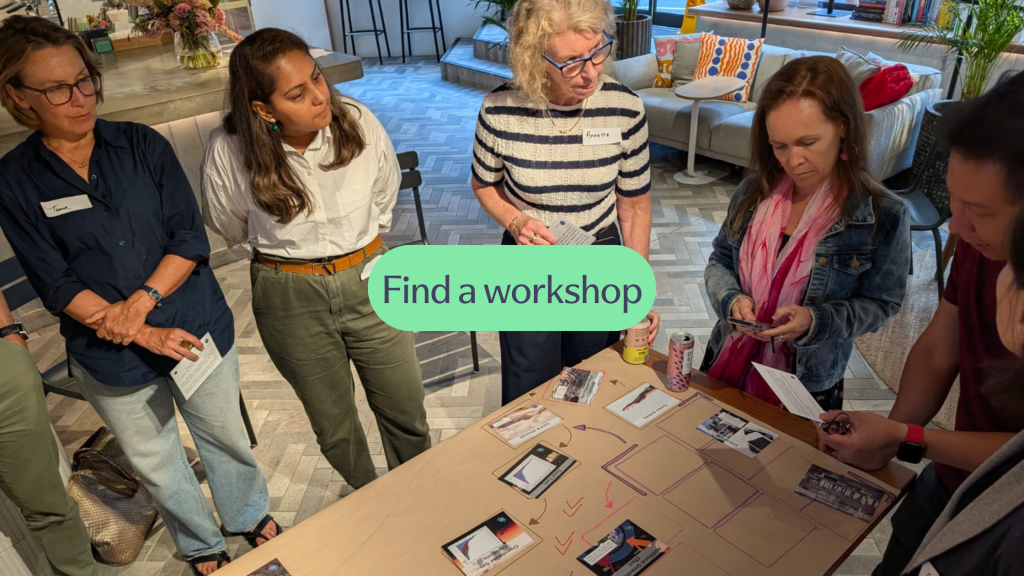
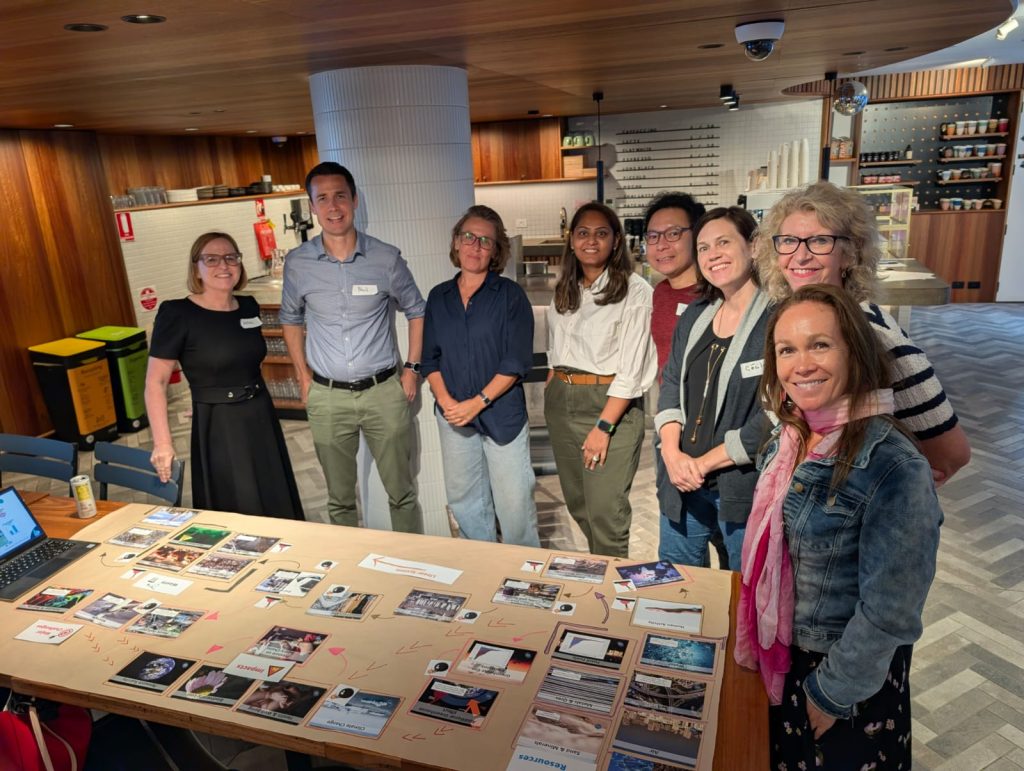
Participants work in small groups to build a visual collage that represents:
the journey of a product or resource through the economy
points of extraction, consumption, disposal and reuse
flows of waste, energy, information and value
opportunities for circular strategies and systems change
Through conversation and reflection, participants uncover:
💜 How linear systems lock in waste
💜 Where circular strategies can have the greatest impact
💜 How individual, organisational and collective choices influence outcomes
This collaborative process boosts both understanding and ownership — people don’t just learn the concepts; they live them.
🌟 Why People For Nature Offers This Workshop
At People For Nature, our mission is to empower citizens with systems understanding that leads to informed action. The Circular Economy Collage aligns with this mission by helping people:
✅ Translate abstract sustainability ideas into tangible insights ✅ Visualise complex interactions between economy and ecology ✅ Identify leverage points where change is possible and meaningful ✅ Build shared understanding across diverse groups
By delivering this workshop, we aim to shift narratives from “problems seem too big” to “we can see where we can act” — and that’s where real change begins.
📩 Who It’s For
The Circular Economy Collage is suitable for:
💜 Schools and students exploring real‑world economics and sustainability
💜 Workplaces and teams seeking strategic insight and innovation
💜 Community groups building local resilience and resource planning
💜 Government and planning bodies engaging stakeholders
💜 Nonprofits and educators teaching systems thinking
No prior knowledge is needed — just curiosity and a willingness to explore systems together.
✨ Ready to Explore Circular Systems?
If your organisation or group is interested in hosting a Circular Economy Collage workshop, People For Nature would love to partner with you. Let’s build understanding, spark ideas and grow capacity for real sustainability — from awareness to action.
👉 Contact People For Nature today to explore workshop formats and scheduling.
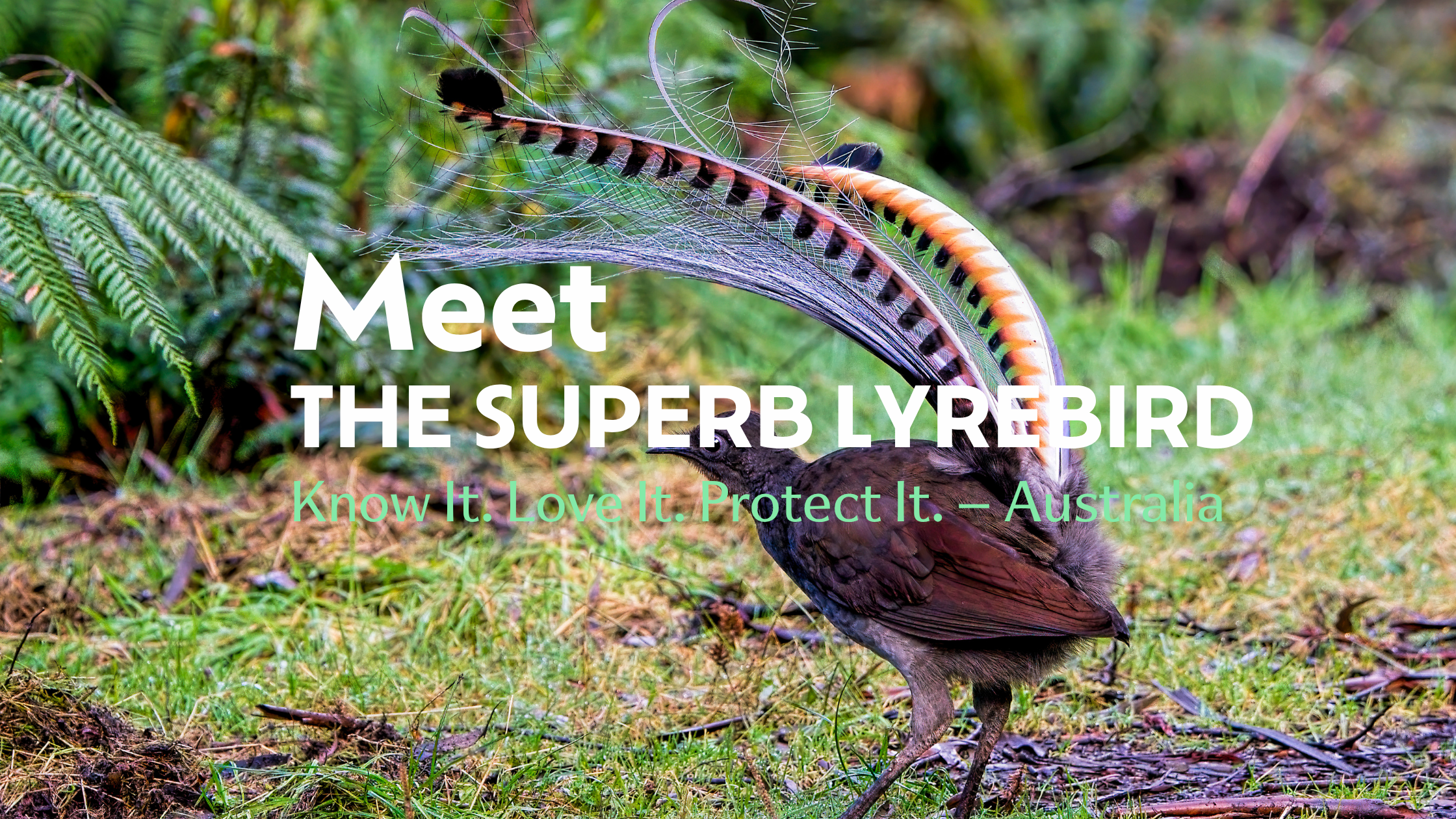
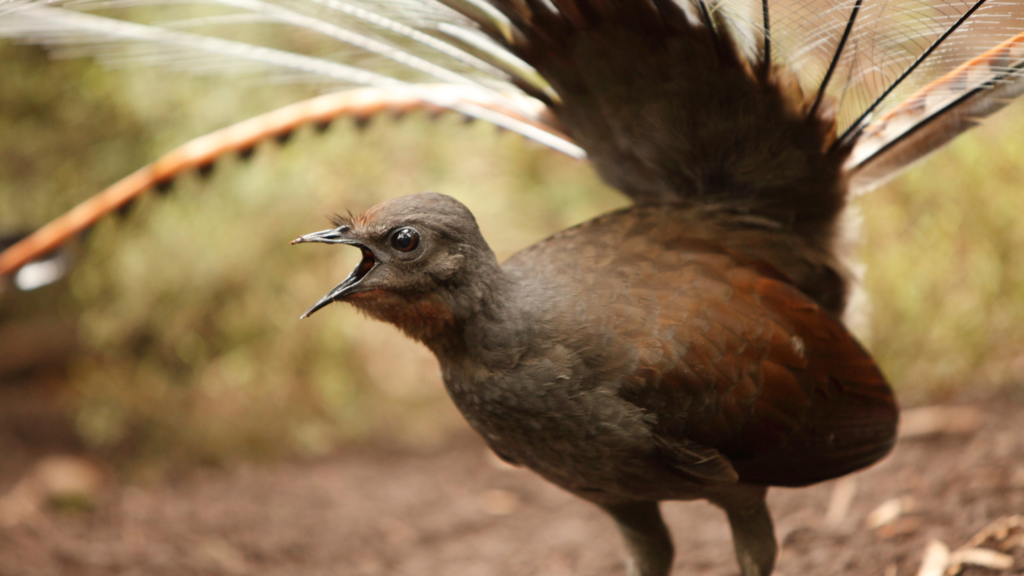
One of Australia’s most extraordinary birds, the Superb Lyrebird is renowned for its elaborate courtship displays and remarkable ability to mimic sounds from the natural world and beyond.
With its ornate tail feathers forming the shape of a lyre, the male performs spectacular dances while imitating the calls of other birds, the sounds of animals and even human-made noises such as camera shutters and chainsaws.
It is a reminder that some of Australia’s most impressive biodiversity is as much about behaviour and intelligence as it is about appearance.
Why it matters
The Superb Lyrebird plays an important role in maintaining healthy forest ecosystems.
🐾 It scratches through leaf litter and soil in search of food, helping to aerate the forest floor
🌱 Its foraging behaviour helps disperse seeds and recycle nutrients
🌳 It contributes to the health and regeneration of forest ecosystems
🕸️ It demonstrates the complex relationships between species and the environments they inhabit
Through its daily activities, the Superb Lyrebird helps shape and maintain the forests it calls home.
Fun facts
🤓 The Superb Lyrebird has one of the most complex syrinxes, or vocal organs, of any bird
🤓 It can imitate an extraordinary range of sounds, from the calls of other birds to human-made noises
🤓 Male lyrebirds perform elaborate courtship displays using their distinctive lyre-shaped tail feathers
🤓 Their vocal abilities have made them one of Australia’s most celebrated and recognisable bird species
A deeper reflection
The Superb Lyrebird challenges the way we think about animal intelligence and communication.
Its ability to learn and reproduce such a diverse range of sounds highlights the remarkable behavioural complexity that exists within Australia’s native wildlife.
Yet the species depends on healthy native forests that continue to face pressures from habitat loss, fragmentation and changing environmental conditions.
In a country with more than 600,000 native species, many found nowhere else on Earth, the Superb Lyrebird reminds us that biodiversity is not only about the species we protect, but also the ecological processes and habitats that allow them to thrive.
How we care for Australia’s native forests today will shape the future of one of our most fascinating and iconic birds.
From Wonder to Action
Learn & understand
Explore how biodiversity, climate, and land systems are deeply connected through our workshops with People For Nature.
Create your Nature Oasis
Plant native species to restore habitat and support the insects, birds, and wildlife that depend on them.
Join citizen science
Record native species around you on iNaturalist and contribute to real conservation data.
(Special thanks to Simon Andrews, Ambassador for People For Nature, for helping shape this story)
At People For Nature, we often hear a fair question:
“If you’re all about nature, why do you focus so much on climate change?”
Here’s the answer — grounded in science:
Climate is not separate from nature.
Climate is a core component of Earth’s life-support system. It influences the patterns of temperature, precipitation, and seasonal cycles that shape where species live, when they breed, and how ecosystems function (IPCC, 2023).
From ocean currents to mountain meadows, from coral reefs to eucalyptus forests — climate defines the conditions in which nature exists. When those conditions shift rapidly, entire ecosystems are put at risk.
The climate crisis is a nature crisis.
According to the 2019 IPBES Global Assessment — the most comprehensive biodiversity report ever produced — climate change is already one of the top five drivers of biodiversity loss globally (IPBES, 2019). And that threat is growing.
Let’s look at some examples here in Australia:
Koalas are losing their habitat as heatwaves, drought, and bushfires reduce the quality and availability of eucalyptus leaves — their sole food source (CSIRO, 2021).
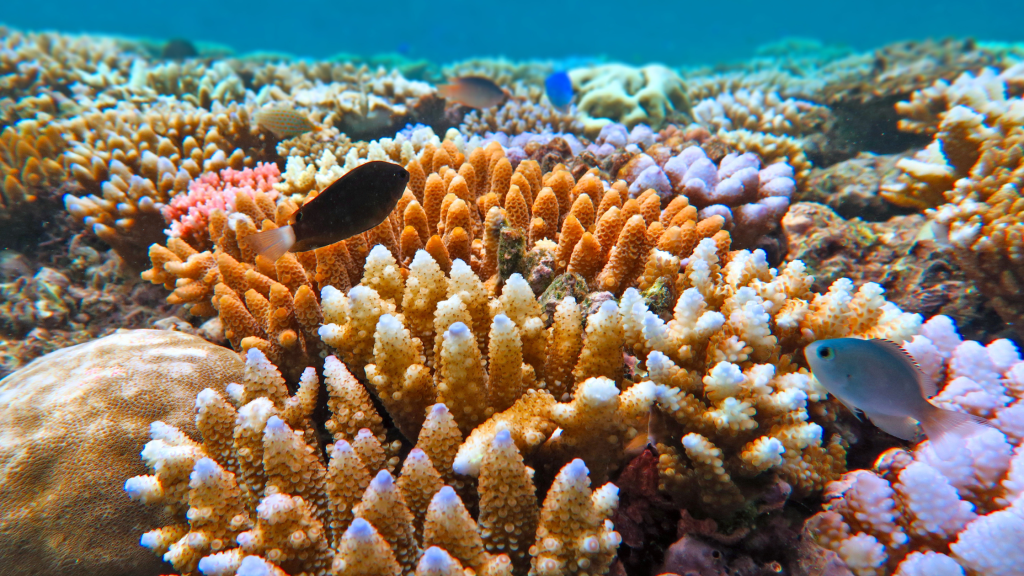
Marine ecosystems such as the Great Barrier Reef are suffering from mass coral bleaching driven by warmer oceans and ocean acidification (AIMS, 2023).
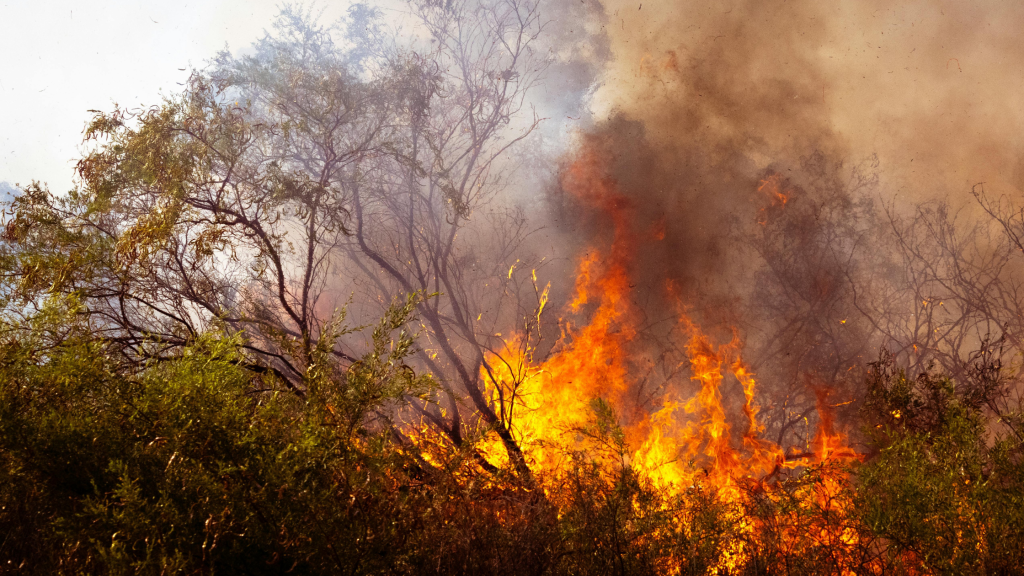
Rainforests are becoming more fire-prone and fragmented as the dry season lengthens, threatening biodiversity hotspots like the Gondwana forests (WWF-Australia, 2022).
These impacts are not just future projections — they are happening now.
Nature regulates climate, too.
Nature is not just a victim of climate change — it’s also a powerful part of the solution. Forests, wetlands, soils, and oceans absorb and store vast amounts of carbon dioxide, helping to stabilise the global climate (IPCC AR6 WG3, 2022).
Protecting and restoring nature is essential if we are to limit global warming. For instance:
Natural climate solutions could deliver up to 30% of the emissions reductions needed by 2030 to meet the Paris Agreement goals (Griscom et al., PNAS, 2017).
Climate and biodiversity are inseparable.
They’re not “two crises.” They’re two sides of the same coin.
When we act to restore ecosystems, we also build climate resilience — and vice versa. That’s why the IPCC and IPBES issued a historic joint report in 2021 calling for integrated action on climate and biodiversity. Their message was clear:
“We cannot solve climate change without addressing biodiversity loss, and we cannot halt biodiversity loss without tackling climate change.” (IPBES-IPCC, 2021)
So why aren’t we People For Climate?
Because climate is nature. It’s not something separate. And because our mission goes beyond emissions — it’s about reconnecting people with the living systems that sustain us: air, water, soil, wildlife, and ecosystems.
We believe that by empowering citizens with science-based tools to understand both climate and biodiversity, we can inspire deeper action for all of nature.
Let’s stop treating these challenges as separate problems. Let’s work with nature, not against it.
Believe in a better future? So do we.
At People For Nature, our mission is bold: to educate 27,000 Australians by 2027 on climate and biodiversity, empowering them to take meaningful action for our planet.
Your donation fuels citizen-powered education that turns knowledge into action—and action into lasting change. Donate today and be part of the change.
💚 Together, we can shape a planet-boundaries literate Australia.
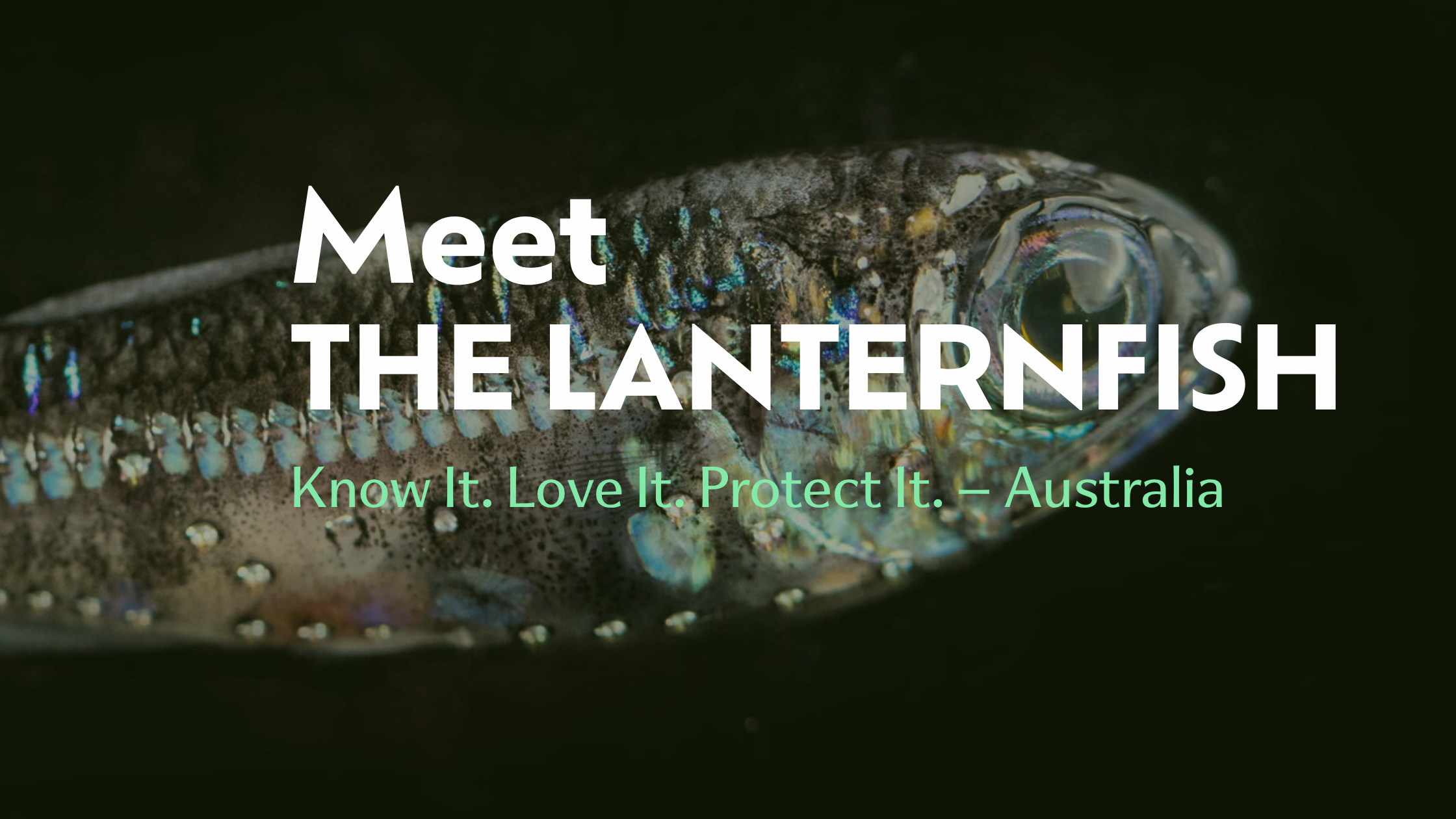
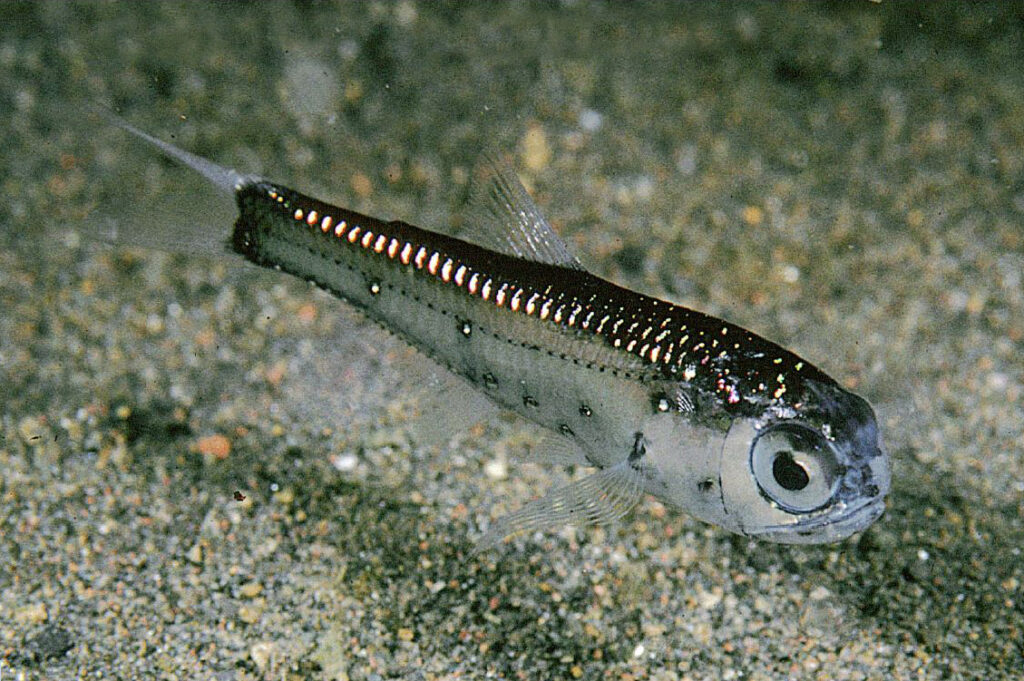
Hidden beneath the ocean’s surface is one of the most abundant groups of vertebrates on Earth, the lanternfish, a small deep-sea fish that plays an enormous role in keeping marine ecosystems healthy.
With at least 250 species worldwide, many of which occur in Australian waters, lanternfishes spend their days in the deep ocean before rising towards the surface each night to feed.
Their remarkable daily movements are part of one of the largest animal migrations on the planet.
Why it matters
Lanternfishes are essential to the health and functioning of ocean ecosystems.
🐟 They provide an important food source for larger fish, squid and seabirds
🌊 They help transfer energy between the ocean’s surface and deeper waters
🌙 Their nightly feeding migrations contribute to the movement of carbon from surface waters to the deep ocean
🕸️ They play a key role in supporting marine food webs across the globe
Despite their small size, lanternfishes are among the ocean’s most important connectors, linking different parts of the marine ecosystem through their movements and feeding habits.
Fun facts
🤓 Lanternfishes get their name from light-producing organs called photophores on their bodies
🤓 Their glowing photophores help them camouflage in dark waters and communicate with one another
🤓 Although they are typically only 3 to 35 centimetres long, they are among the most abundant vertebrates on Earth
🤓 Some species travel more than 500 metres every day during their vertical migrations in search of food
A deeper reflection
The lanternfish reminds us that some of the most important species on Earth are also among the least visible.
Few people will ever see a lanternfish, yet these tiny deep-sea animals help sustain marine food webs and play an unexpected role in the global carbon cycle.
Despite their abundance, lanternfishes face growing pressures from deep-sea fishing, climate change and light pollution, which can disrupt their natural migration patterns.
In a country with more than 600,000 native species, many found nowhere else on Earth, the lanternfish is a reminder that biodiversity extends far beyond what we can easily see and that even hidden species can have global importance.
How we protect our oceans today will influence the health of marine ecosystems for generations to come.
From Wonder to Action
Learn & understand
Explore how biodiversity, climate, and land systems are deeply connected through our workshops with People For Nature.
Create your Nature Oasis
Plant native species to restore habitat and support the insects, birds, and wildlife that depend on them.
Join citizen science
Record native species around you on iNaturalist and contribute to real conservation data.
Special thanks to Simon Andrews, Ambassador for People For Nature, for helping shape this story)
We’re excited to share that People For Nature is now a proud member of the Containers for Change scheme across Queensland and Western Australia!
This means that anyone returning eligible drink containers in these states can choose to donate their 10-cent refund directly to our charity — helping us educate, empower, and reconnect communities with nature.
🌿 What Is Containers for Change?
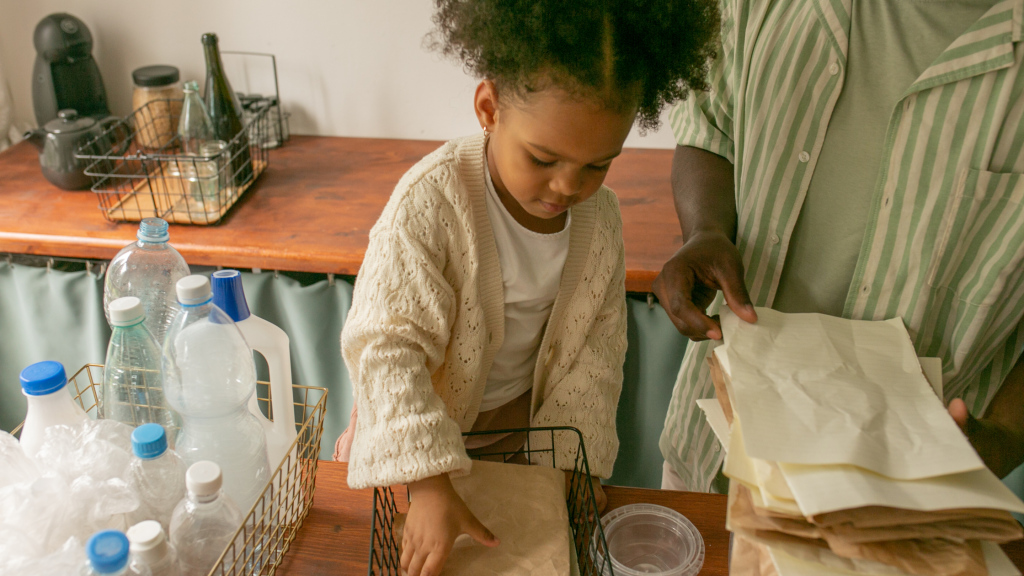
Containers for Change is a state-run container refund program that aims to reduce litter and increase recycling by offering a 10-cent refund for every eligible drink container returned.
By encouraging individuals to recycle thoughtfully, the program not only reduces waste and conserves resources — it also provides an opportunity to support local charities and community groups.
💚 Why It Matters
Australians use over 13 billion drink containers each year. A large portion ends up in landfill or as litter, particularly in waterways and natural environments, where they can take hundreds of years to break down and cause harm to wildlife and ecosystems.
Programs like Containers for Change help:
Reduce waste and pollution
Keep litter out of nature
Encourage a circular economy
Support local charities and community causes
And the best part? You can choose to support People For Nature with your refund.
Your donation can help fund:
Free climate and biodiversity workshops
Community education programs
Citizen science and nature-based action projects
🧃 How You Can Help
It’s simple:
Collect eligible drink containers – typically aluminium, glass, plastic, steel and liquid paperboard containers between 150ml and 3L.
Return them to a refund point in QLD or WA.
Enter our Scheme ID to donate your refund to People For Nature:
QLD Scheme ID: C11593214
WA Scheme ID: C11593239
Each 10-cent refund adds up — and contributes to a healthier planet and a stronger community movement.
🌏 Good for Nature, Good for You
Taking part in Containers for Change isn’t just an act of recycling — it’s an act of regeneration.
By taking responsibility for the waste we create, we reduce our environmental footprint, shift towards sustainable behaviours, and support the kinds of solutions we need to tackle climate change and biodiversity loss.
Let’s turn waste into action — one container at a time.
Thank you for standing with us for nature. 🌿
📚 References & Sources
Australian Packaging Covenant Organisation (APCO), Australian Packaging Consumption and Recycling Data 2021–22, https://apco.org.au
Australia’s landscapes are breathtaking — from ancient rainforests and coral reefs to sunburnt deserts and alpine peaks. But our climate is changing fast, and families across the country are feeling the effects: hotter summers, unpredictable weather, more bushfires, and biodiversity loss.
Here’s how Australian families can take meaningful climate action — together.
1. Start Conversations at Home
Climate action begins with awareness. Talk about climate change with your children in age-appropriate ways. Nature documentaries, books like The Lorax, or visiting local parks and wildlife sanctuaries can spark curiosity and concern.
💬 Ask questions like: What do you love most about nature? What do you want to protect?
2. Eat more mindfully
Food is one of the biggest contributors to greenhouse gas emissions. Simple swaps can have a big impact: 🥦 Add more plant-based meals to your week 🛒 Choose locally grown, seasonal produce 🍴 Avoid food waste by planning meals and using leftovers creatively
3. Reduce, Reuse, Repair
Australia’s waste per capita is among the highest in the world. Teaching children to be conscious consumers builds lifelong habits. 🧸 Organise a toy swap with friends 🛠️ Fix broken household items together 👕 Buy second-hand or opt for quality over quantity
4. Green Your Travel
Transport is a major emissions source in Australia. Even small changes help: 🚲 Walk, ride bikes, or take public transport when possible 🚗 Carpool with other school families ✈️ Try to avoid flying, consider closer destinations for holidays and more creative ways to get to your destination (a train trip with kids can be such an adventure!)
5. Get Into Nature — and Protect It
Spending time outdoors fosters a love for the environment. It also improves wellbeing and resilience. 🌱 Join a local bushcare group or conservation event 🦋 Start a Native Oasis in your backyard to support pollinators 📸 Participate in citizen science projects like FrogID or the Aussie Backyard Bird Count
6. Join a Local Action Group
You don’t have to do it alone. Connect with other parents who care about the future by joining a local group through Parents for Climate. 👣 Whether it’s attending a school climate event, advocating for better policies, or simply meeting other families on the same journey, community brings strength — and joy — to climate action.
7. Support Climate Education
Knowledge empowers action. Encourage schools to integrate climate and sustainability topics. 📚 Join a local a local Climate Fresk For Kids workshops 🎨 Creative nature-based learning through art, storytelling, and games
8. Use Your Voice — Together
Teach kids the power of civic action. Write to your local MP, attend community events, or join school campaigns for better recycling or tree planting.
🗳️ Vote for leaders who prioritise climate 📢 Support organisations that protect nature and educate communities
Why Family Climate Action Matters
Children today will inherit the decisions we make — or fail to make. Taking action as a family shows that caring for the Earth is a shared responsibility, and that every choice counts.
It doesn’t have to be perfect. Just start where you are, with what you have.
Because when families lead, communities follow. And when communities act, systems can change.
Believe in a better future? So do we.
At People For Nature, our mission is bold: to educate 27,000 Australians by 2027 on climate and biodiversity, empowering them to take meaningful action for our planet.
Your donation fuels citizen-powered education that turns knowledge into action—and action into lasting change. Donate today and be part of the change.
💚 Together, we can shape a planet-boundaries literate Australia.
Australia’s Nature Strategy 2024–2030 outlines a bold vision for halting and reversing nature loss, reconnecting people with nature, and fostering a future where both our natural environments and communities can thrive. While the strategy presents ambitious national goals, citizen-led actions play a crucial role in turning these policies into reality on the ground.
One of our key initiatives helping to advance this vision is Nature Oasis—a citizen-led movement that empowers individuals to take action in their own backyards, communities, and beyond. By becoming Nature Oasis Ambassadors, Australians can make a direct contribution to preserving and restoring our unique ecosystems. Let’s explore how these grassroots efforts align with the priorities of Australia’s Nature Strategy.
Engaging All Australians in Conservation
One of the main priorities of the strategy is to engage all Australians in caring for nature. The Strategy highlights the need for a culture of environmental stewardship, where people take active responsibility for the natural world around them.
Citizen-led actions, like those championed by Nature Oasis, are integral to this objective. By providing accessible tools, resources, and workshops, initiatives like Nature Oasis bring environmental action into everyday lives. Whether it’s restoring a local patch of bushland, planting a native garden, or creating wildlife habitats, these small yet significant actions have a ripple effect, inspiring others to get involved.
Nature Oasis encourages people from all walks of life to sign the Nature Oasis Charter, commit to best practices for supporting native wildlife, and contribute to a growing map of nature-positive spaces. This fosters a collective, national effort that aligns directly with the strategy’s call to empower Australians to take care of their environment.
Protecting and Conserving Nature in Partnership with Communities
Australia’s Nature Strategy places great emphasis on conservation efforts that are community-driven. It recognizes that the power to protect nature lies not just in policy but in the collective action of people working together.
Citizen-led projects, such as Nature Oasis, contribute directly to this goal by creating spaces where individuals and communities come together to restore and protect local habitats. Every citizen-led restoration, whether it’s regenerating a small garden or protecting a local wetland, is a direct step toward halting the decline of biodiversity.
Through programs that focus on building community involvement, these initiatives support Australia’s broader conservation goals. By planting native species, restoring vital ecosystems, and creating safe havens for wildlife, citizens become active participants in conservation, working in tandem with local and national efforts.
Bridging the Gap Between Policy and Practice
One of the biggest challenges in achieving national environmental goals is ensuring that policies translate into meaningful actions at the local level. The Nature Oasis initiative helps bridge this gap by providing a platform for individuals and communities to act in line with the national strategy.
Each citizen-led action—no matter how small—contributes to the collective effort to enhance biodiversity and achieve the targets set out in the strategy. From urban backyards to regional parks, these grassroots actions make environmental policy tangible and accessible. By empowering citizens to become part of the solution, Nature Oasis fosters a sense of ownership and responsibility, helping to close the gap between policy ambition and practical outcomes.
Why Citizen-Led Action Matters
Australia’s Nature Strategy sets the stage for a future where nature is safeguarded and restored, but achieving its vision requires the participation of every Australian. Citizen-led actions make this vision possible. Initiatives like Nature Oasis demonstrate the power of individual and collective action in achieving national conservation goals. These grassroots movements ensure that conservation efforts are not confined to policy but are integrated into everyday life, bringing people closer to nature and ensuring the survival of our unique wildlife for generations to come.
Ready to Get Involved?
Nature Oasis invites you to become a Nature Oasis Ambassador and help us create a network of citizen-driven conservation efforts across the country. By signing the Nature Oasis Charter, you can commit to best practices that support the flourishing of native wildlife and flora in your own backyard.
Let’s work together to make Australia’s Nature Strategy 2024–2030 a reality.
Sign the Charter today and start your journey as a nature ambassador! 🌱
Your donation supports citizen-powered change for nature.
By contributing to People For Nature, you’re helping us empower everyday individuals to take meaningful action for the environment. Your support enables us to deliver education, foster community-driven conservation initiatives, and inspire a movement of citizen scientists and conservationists.
In stadiums, on fields, and across oceans, sport unites people like few other forces can. It transcends borders, cultures, and generations. But beneath the roar of the crowd and the thrill of the game lies a growing realisation: sport does not exist in a vacuum. It is deeply connected to the climate and biodiversity crises – and has a unique role to play in shaping solutions.
The Challenge: Sport Is Both Impacted by and Impacts Nature
Climate change is already affecting the sports world. Heatwaves are disrupting tournaments, wildfires are cancelling matches, and rising sea levels threaten coastal venues. At the same time, the global sports industry—through travel, infrastructure, apparel, and sponsorship—has its own environmental footprint.
Biodiversity loss also poses hidden threats. From deteriorating air quality to water scarcity and increased risk of pandemics, the systems that support healthy ecosystems are the same ones athletes and fans rely on every day.
The Opportunity: Sport as a Force for Change in Australia
Sport holds a unique place in Australian culture — it unites communities, shapes identities, and inspires action. With millions of Australians involved as players, fans, and volunteers, sport provides a powerful platform to champion environmental responsibility and spark meaningful change.
But to harness this influence effectively, action must be informed, deliberate, and grounded in education.
That’s where systems thinking comes into play.
Seeing the Bigger Picture: Systems Thinking in Australian Sport
Systems thinking is about understanding the whole picture. It helps us see how climate and biodiversity are deeply connected to economics, health, infrastructure, social equity—and yes, sport.
Applying a systems lens to environmental education in Australia’s sports sector means going beyond one-off actions (like installing recycling bins at footy grounds) and tackling the root causes of environmental challenges. It prompts us to ask:
How does the supply chain for sports gear contribute to deforestation or water stress in Australia and our region?
What climate risks threaten local community clubs and grassroots sport—from floods to extreme heat?
How can we design sporting events to support biodiversity and regenerate local landscapes?
What influence can Aussie athletes have in shaping public attitudes toward climate and nature?
Education grounded in systems thinking equips sporting bodies, leaders, and fans to shift from reactive to proactive—from small changes to bold, systemic impact. from reactive to proactive—from incremental to transformative.
What This Looks Like in Practice
At People for Nature, we believe in making complex science accessible and actionable. Through facilitated workshops and collaborative learning experiences, we help sports professionals connect the dots between climate, biodiversity, and their everyday decisions.
We focus on:
Understanding interdependence – between humans, nature, and the systems that govern sport.
Empowering leadership – by building capacity in clubs, leagues, and athletes.
Fostering innovation – encouraging regenerative practices and nature-positive design.
Creating ripple effects – so that what starts on the field spreads into communities, policies, and businesses.
A Call to Action
The time to act is now. The climate and biodiversity crises are not distant threats—they are here, and they’re affecting the sports we love. But with knowledge, courage, and collaboration, sport can be a force for regeneration.
Let’s reimagine what it means to play, compete, and win—on a thriving planet.
Your donation supports citizen-powered change for nature.
By contributing to People For Nature, you’re helping us empower everyday individuals to take meaningful action for the environment. Your support enables us to deliver education, foster community-driven conservation initiatives, and inspire a movement of citizen scientists and conservationists.
Discover playful, powerful ways to nurture eco-conscious kids using tools like Climate Fresk Kids, Nature Oasis, and everyday nature-inspired learning at home.
In a world where climate headlines and ecological tipping points can feel overwhelming, many parents and carers are asking:
“What can I do to help my child grow up with hope, empathy, and a strong sense of responsibility for our planet?”
The answer starts close to home — in our kitchens, gardens, conversations, and storytimes.
Sustainability begins with everyday choices, and teaching it doesn’t require a textbook. It’s a way of life that can be modelled, explored, and celebrated through curiosity and connection.
Why Start at Home?
Children learn not just by being told, but by doing, seeing, and feeling.
Home is where values are planted and nurtured. By weaving sustainability into your daily life — through nature play, storytelling, or small rituals — you empower your child to grow into a thoughtful, eco-conscious human who understands their place in a living, breathing system.
1. Make Big Ideas Playful: Try Climate Fresk Kids
We often underestimate just how much children can grasp — especially when we invite them in through play.
Climate Fresk Kids is a hands-on workshop that helps young people understand the basics of climate science in an engaging, age-appropriate way. Using images, stories, and systems thinking, it connects the dots between human actions and environmental consequences — without creating fear.
🌿 Find a Workshop Near You — and Become a Facilitator: https://events.humanitix.com/host/people-for-nature
Alternatively, put us in touch with your child’s school — we offer engaging climate and biodiversity workshops in schools across Australia: info@blog.peoplefornature.org.au
2. Create a Wild Welcome: Build a Nature Oasis
Not every family has access to a forest or farm — but we can all bring a little wildness into our homes.
A Nature Oasis is any space — a balcony, garden bed, windowsill, or schoolyard — designed to invite biodiversity. Think native plants, insect hotels, butterfly-friendly flowers, or a frog-friendly corner.
Children love observing change. Watching bees visit a flower they planted or hearing frogs return builds a living relationship with the natural world.
Try This at Home: Plant native species or rewild a corner of your yard. Keep a nature journal with your child — what do they notice each day?
3. Use Storytelling to Spark Reflection
Tools like Gunter’s Fables offer more than entertainment — they invite children to reflect, imagine, and act.
Rooted in Montessori and Steiner principles, these illustrated fables help children explore systems thinking, emotional intelligence, and environmental responsibility. They’re a gentle yet powerful way to introduce biodiversity, empathy, and nature’s complexity through story.
✅ Try This at Home: After reading a story, ask: “What would you do if you were the animal in the story?” or “How can we help animals like this in real life?”
4. Turn Your Child Into a Mini Scientist
Citizen science isn’t just for grown-ups. From spotting birds in the backyard to counting insects or testing water quality, many organisations welcome children’s contributions to real scientific data.
This not only supports environmental research, but gives children a sense of purpose and belonging in something bigger.
Children are natural observers. The best way to teach sustainability? Live it yourself.
Involve kids in composting or choosing local produce.
Fix things instead of throwing them away.
Talk openly about your values and choices.
Celebrate small wins together — “We saved water today!” or “We helped a bee!”
Sustainability becomes less about sacrifice and more about joy, care, and connection.
More Than Just “Green Habits”
Teaching sustainability at home isn’t about being perfect. It’s about planting seeds of care — for people, places, and possibilities.
Whether you’re using tools like Climate Fresk Kids, building a Nature Oasis, reading eco-fables, or simply walking barefoot in the grass together — you’re shaping a future where children don’t just understand nature, but feel part of it.
Because when children fall in love with the Earth, they’re more likely to protect it.
Together, let’s raise a generation of nature-connected changemakers — one home at a time.
At People For Nature, we’re passionate about empowering the next generation with the knowledge and tools to understand our changing world. That’s why we offer Climate Fresk for Kids—a fun, interactive, and age-appropriate version of the internationally acclaimed Climate Fresk workshop.
What is Climate Fresk for Kids?
Climate Fresk for Kids is a playful, science-based workshop designed to introduce students aged 10 and up to the basics of climate change. Using colourful illustrations and a card game format, students explore:
What causes climate change
Its effects on people and the planet
How we can take action
This kid-friendly version has been developed by teachers and climate experts to make complex science engaging and accessible for younger learners—without overwhelming them.
Why Bring It to Your School?
Today’s students are tomorrow’s leaders. Climate Fresk for Kids helps them build:
Science literacy based on the latest IPCC findings
Critical thinking and systems awareness
A sense of hope, agency, and teamwork
It’s a perfect fit for curriculum topics in Science, Geography, and Sustainability and offers a unique way to enrich learning through group discussion and creativity.
How It Works
📚 Age group: Best for ages 10–14 (Years 5–9)
⏰ Duration: 2 hours
👥 Format: In-person
🎓 Facilitators: Trained educators experienced in working with children
🎨 Approach: Hands-on, visual, and collaborative
What’s Included?
Each workshop includes:
All materials (cards, worksheets, facilitator guidance)
Customisation to your classroom or event goals
A wrap-up session to help students reflect and imagine solutions
Book a Workshop
📍 Available across Sydney, Brisbane, Melbourne, Perth
📆 We work with your preferred dates and school calendar
To enquire or book, just get in touch and tell us:
Your location and year level
Preferred dates and times
Any specific topics or goals you’d like us to include
At People For Nature, our mission is bold: to educate 27,000 Australians by 2027 on climate and biodiversity, empowering them to take meaningful action for our planet.
Your donation fuels citizen-powered education that turns knowledge into action—and action into lasting change. Donate today and be part of the change.
💚 Together, we can shape a planet-boundaries literate Australia.
Stéphane became a Fresker in March 2024, with his first workshop held at International Grammar School in April.
Motivated by curiosity and a desire to put his professional skills to use, Stéphane transitioned to ClimateTech after a 10-year career in Customer Success, where he honed his ability to convince organizations and people to change.
One of his proudest moments was launching the concept of Fresk at the pub. In search of a venue to host a workshop with friends and contacts, he remembered that public houses are community hubs, where the atmosphere of food and drinks fosters connection and conversation.
What keeps Stéphane inspired is the “light bulb” moment he witnesses in every workshop – that powerful instant when someone fully grasps the scope and consequences of climate change. Being the catalyst for that realization is what keeps him going.
“There is not a single workshop without a light bulb moment for one or several attendees. That special moment when someone “gets” the full picture of climate change and the consequences. Being the trigger of that moment keeps me going!”
Every Nature Oasis—from a few square metres on a balcony to sprawling hectares of regenerating bush—is a small act of hope for biodiversity.
What unites them all?
A commitment to the Nature Oasis Charter and a shared vision for restoring Australia’s rich ecosystems, one patch at a time. 💚
A platform for Everyone
Soon, anyone will be able to register and share their oasis through our interactive map! Here’s how it will work:
🌿 Sign the Nature Oasis Charter — a voluntary pledge to support native flora and fauna through nature-positive actions.
📬 Wait for an email with your next steps.
🗺️ Add your oasis to our map and become part of a growing community.
💬 Inspire others by sharing your journey and becoming a Nature Oasis Ambassador.
Empowering Citizen Conservation
Nature Oasis is more than a project—it’s a citizen-led movement, aligned with Australia’s Nature Strategy 2024–2030, that empowers everyday Australians to take meaningful action where they live.
“97% of Australians want more environmental action, but fewer than 5% volunteer in conservation. Nature Oasis flips the script—bringing conservation home and inviting everyone to get involved.”
Together, we’re reconnecting people to nature through accessible tools, inspiring workshops, and local action that counts.
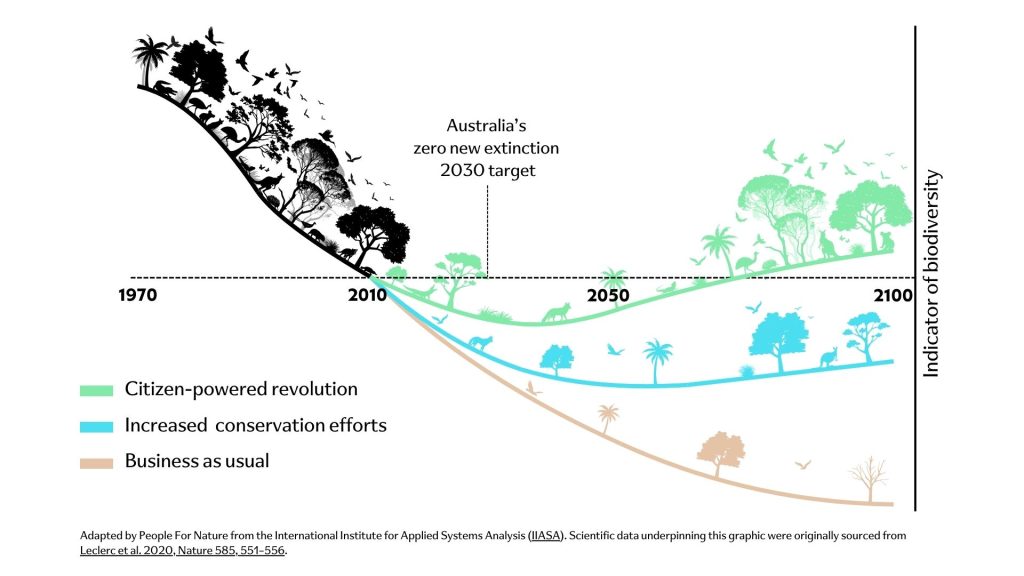
Nature is disappearing around us – quietly, rapidly, and often unnoticed. But together, we can reverse this trend.
To bend the curve before 2050 and reduce biodiversity loss, we must pair ambitious conservation efforts with sustainable practices and behaviour change.
That’s where the Nature Oasis initiative comes in
The Nature Oasis network empowers all Australians to create and celebrate all vibrant spaces for native wildlife.
What is Nature Oasis?
Nature Oasis is a citizen-led initiative by People For Nature that enables Australians to turn any space – balconies, gardens, schoolyards, private properties, parks – into habitats supporting native biodiversity.
Whatever the size, a Nature Oasis is a space where biodiversity flourishes, where nature is respected and allowed to thrive.
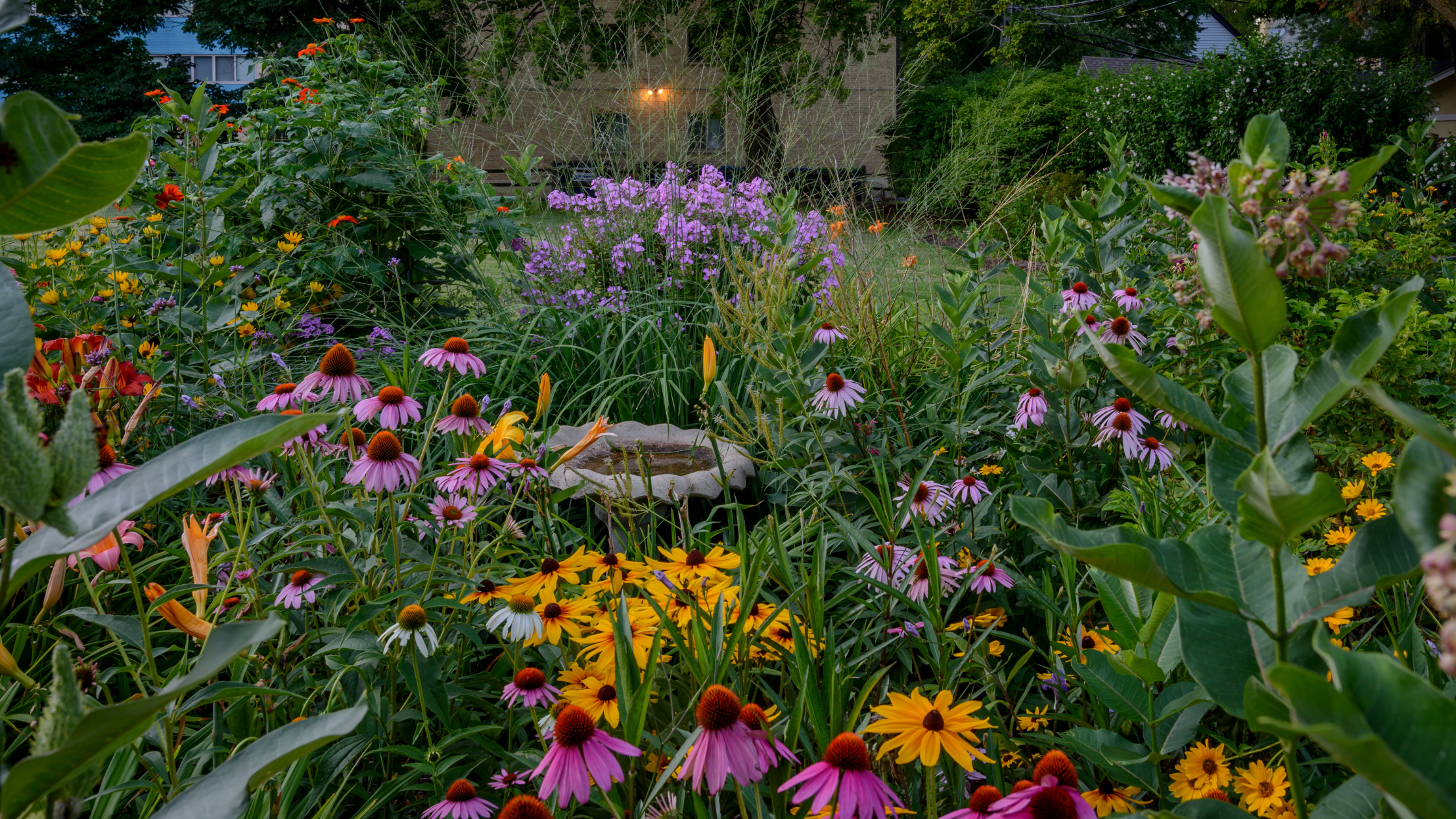
A few flowers are enough to bring back Christmas beetles, native bees, and butterflies!
So, say goodbye to uniform mowed lawns, long hedges of yew, and other ‘green deserts,’ as well as pesticides and other harmful practices…
Nature Oasis is not a gardening platform, it’s a network of people-powered actions to halt the decline of local biodiversity.
Join the Nature Oasis initiative
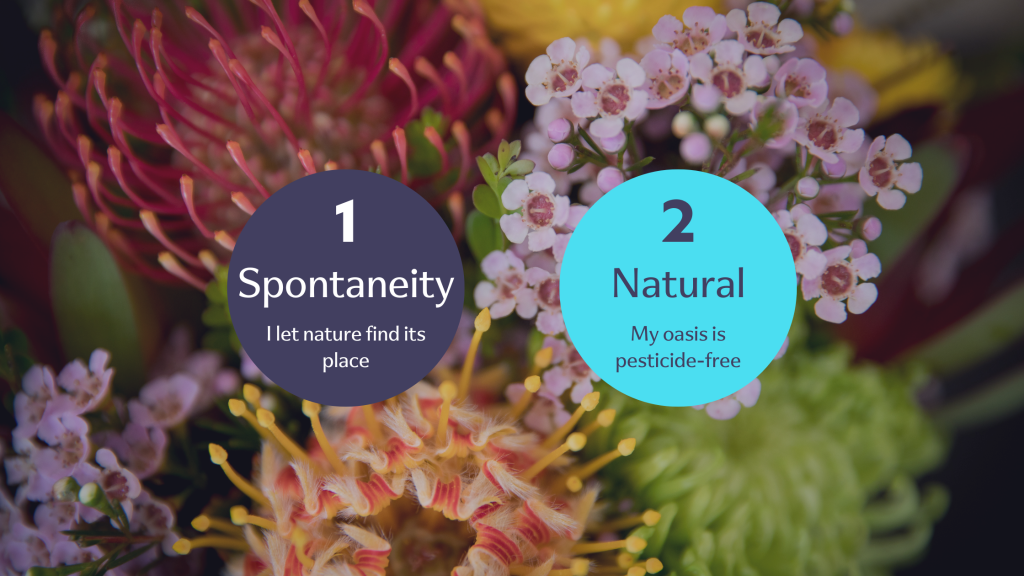
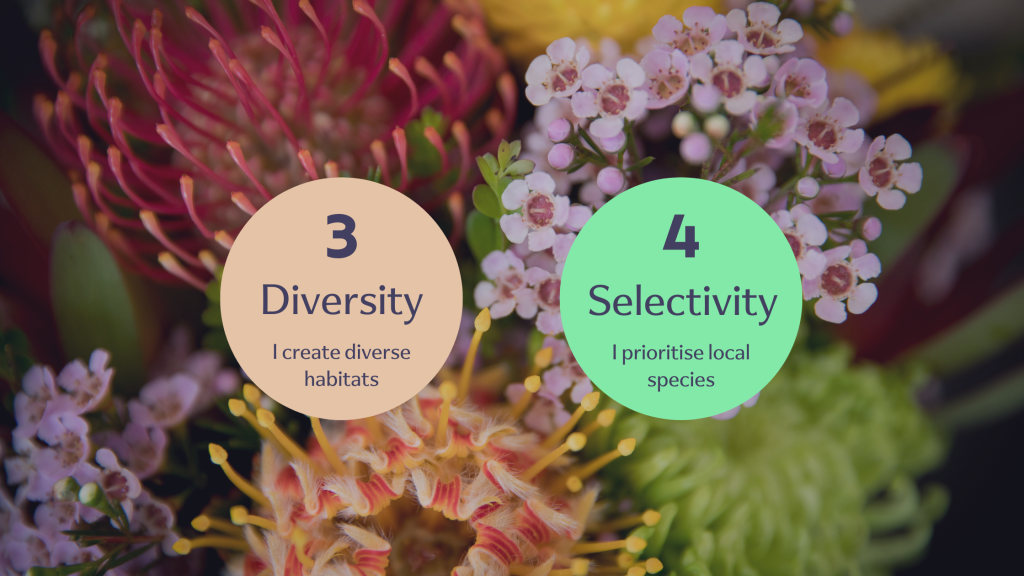
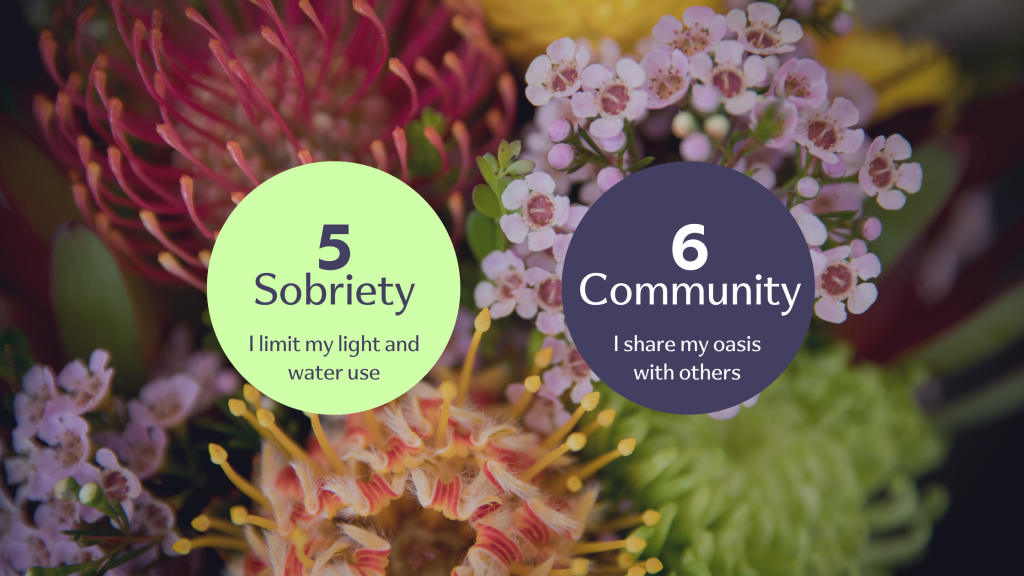
1. Start here by signing the Nature Oasis Charter. This is a voluntary commitment to adopting best practices that support the flourishing of native wildlife and flora.
2. Register your Nature Oasis (new or existing) and share its location on the map (coming soon!).
3. As you expand your Nature Oasis, update the details (for example, if you currently have a pollinator garden, in future you may update to include you have also created a bee hotel).
4. Inspire others to follow your lead – embrace your role as a nature ambassador!
The Nature Oasis Charter
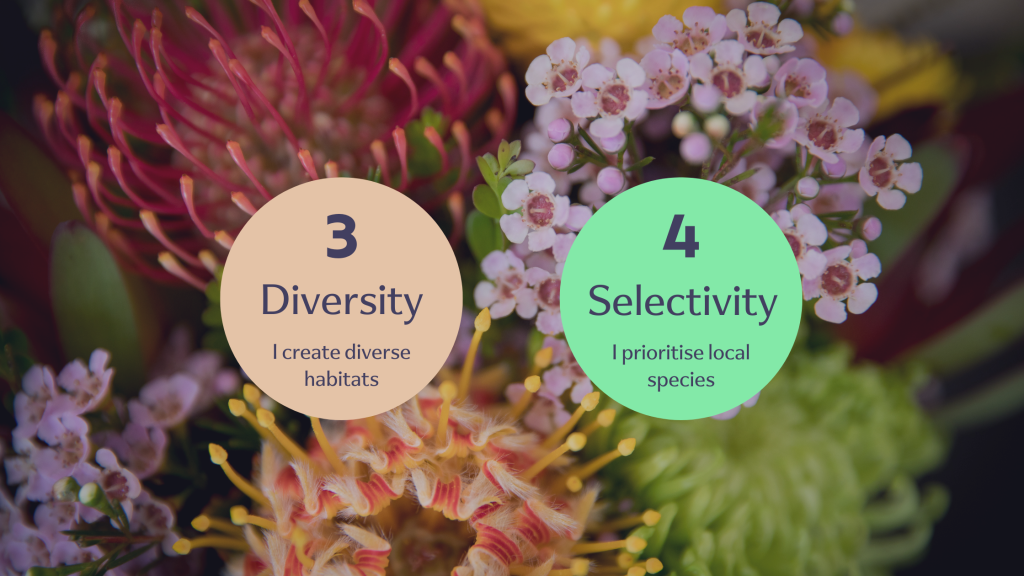
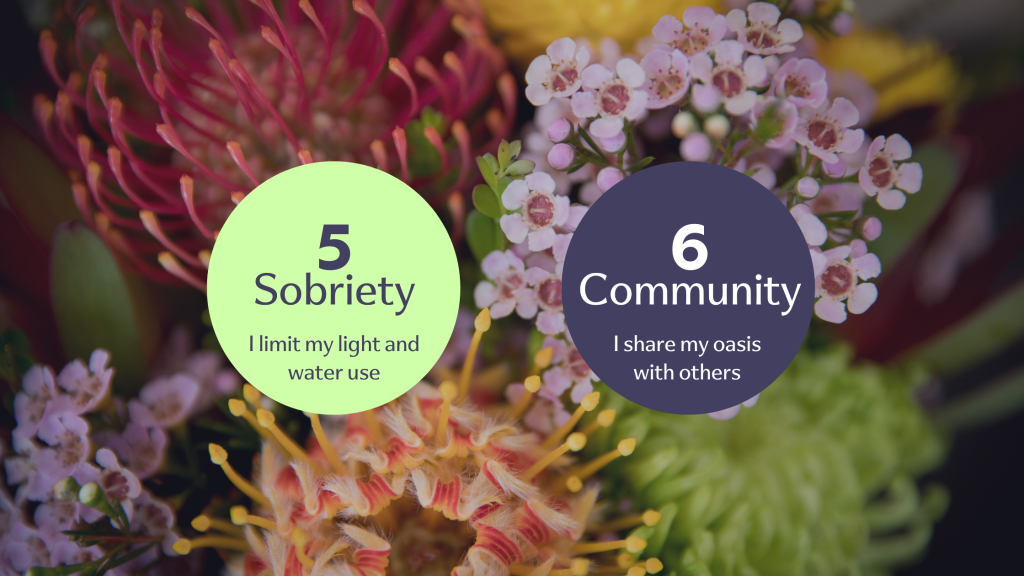
Follow these 6 principles and help restore Australia’s rich ecosystems, one patch at a time 💚
About the Nature Oasis network and app
We’re building a national network of Nature Oasis spaces, creating the largest repository of citizen-powered conservation and regeneration spaces.
Inspired by French NGO, Humanité and Biodiversité, Nature Oasis aims to build a global network of these spaces. We’re creating a platform to connect citizens’ environmental actions to national conservation outcomes, powered by accessible, user-friendly tech.
People For Nature is creating an app that will:
💚 Build community through shared stories, actions, impact stats, and local nature challenges
🗺️ Map and visualise each oasis across Australia
📸 Foster and enable user participation. People will be able to register their oasis and share photos, data, or actions taken
🌳 Gather ecological data to support research, species tracking, and restoration goals
By leveraging technology and collaboration, we will connect individual actions to a national effort, gathering data to support scientific research, restore ecosystems, protect species, and foster a deeper connection to nature.
Why it matters: Empowering Citizen Conservation
Nature Oasis is more than a project—it’s a citizen-led movement, aligned with Australia’s Nature Strategy 2024–2030, that empowers everyday Australians to take meaningful action where they live.
“97% of Australians want more environmental action, but fewer than 5% volunteer in conservation. Nature Oasis flips the script—bringing conservation home and inviting everyone to get involved.”
Together, we’re reconnecting people to nature through accessible tools, inspiring workshops, and local action
How a French NGO Inspired Our Citizen Conservation Movement
At People For Nature, we believe the power to protect and regenerate nature lies in the hands of everyday people. This belief isn’t unique to us—in fact, it’s inspired by a global movement. One of the organisations that helped spark our vision is the French NGO Humanité et Biodiversité.
A Shared Vision Across Continents
Based in France, Humanité et Biodiversité is a pioneering organisation dedicated to strengthening the connection between humans and nature. At their core is the recognition that biodiversity is not just a matter for scientists or policymakers—it’s everyone’s business.
Their purpose resonates deeply with ours: to empower individuals, communities, and decision-makers to value and protect biodiversity as a foundation for life, health, and resilience.
Nature in the City: An International Imperative
Both France and Australia face the pressing challenge of biodiversity loss in urban environments. As our cities expand and landscapes change, so too must our strategies for conservation.
Humanité et Biodiversité responded with a powerful concept: “Oasis Nature”—a network of citizen-created spaces that welcome and protect biodiversity. These oases may be urban gardens, schoolyards, balconies, farms, or parks—anywhere people choose to give space back to nature.
At People For Nature, we were inspired to bring this model to Australia, where over 500 threatened species now live in or around cities. Like our French counterparts, we’re building a movement that enables people to turn their own spaces—gardens, verges, rooftops—into living, breathing Nature Oasis.
Local Roots, Global Impact
What began in France is blossoming here in Australia. Guided by the same principles of citizen empowerment, ecological responsibility, and community connection, we’re working toward a national network of Nature Oasis—from backyards in Brisbane to balconies in Melbourne.
Together, we aim to regenerate hectares of urban biodiversity habitat by 2030—powered not by large-scale development, but by thousands of small, citizen-led actions.
Why Citizen-Powered Change Matters
Both Humanité et Biodiversité and People For Nature understand that:
🦋 Biodiversity is essential to human wellbeing, from pollination to mental health.
🌱 Small-scale habitats matter, especially when they’re connected.
👣 Everyone can act—no matter where they live or how much space they have.
🤝 Change starts with connection, between people and between people and place.
Growing Together
This is more than a coincidence—it’s a convergence. As climate change and biodiversity loss threaten life across the planet, citizen-powered solutions are emerging everywhere.
We’re proud to walk this path with French allies like Humanité et Biodiversité, reminding us that hope is a practice—and that every native plant, pollinator, and backyard frog call is part of something bigger.
Australia is home to some of the most unique and diverse ecosystems on Earth, from lush rainforests to sun-drenched coastlines. But these natural treasures are under increasing pressure—from climate change, habitat destruction, invasive species, and pollution. Alarmingly, more than 500 threatened species now intersect with our cities.
In the face of these challenges, citizen conservation has emerged as a powerful, accessible way for individuals and communities to regenerate nature in urban environments.
Understand the Importance of Conservation
Conservation is no longer just the domain of scientists and park rangers—it’s everyone’s business. Iconic Australian animals like the koala, platypus, and numbat are facing unprecedented threats. Urban expansion continues to fragment their habitats, yet cities also offer untapped potential to become havens for biodiversity.
Recent research, such as ARUP’s Biodiversity in Your Backyard, highlights how urban planning can support nature. In Melbourne, Sydney, and Brisbane alone, we could regenerate 127 hectares of habitat—the size of 178 soccer fields—through the creation of habitat corridors and green spaces.
Take Action in Your Own Backyard
The beauty of citizen conservation is that you don’t need vast land or scientific expertise to make a difference. Here are practical ways to begin in your own space:
🌿 Create Biodiversity-Friendly Spaces
Start by planting midstorey vegetation, such as native shrubs and groundcovers from your local area. These plants attract insects, which form the base of a food web that supports birds, reptiles, and small mammals.
🦎 Build Habitats
Simple additions like logs, rocks, insect hotels, birdbaths, or nest boxes can provide crucial shelter and food sources for wildlife.
🌼 Protect Threatened Species
Support native flora by avoiding chemical-based garden products, mulching, and managing invasive species. Many nurseries offer tube stock of threatened or locally important plants—ask what’s available and get planting.
♻️ Support Conservation Through Lifestyle Choices
Everyday choices add up. Compost your food scraps, reduce plastic waste, and avoid products with unsustainable palm oil. Choose local, sustainable produce, keep pets indoors, and use water and energy wisely.
Participate in Citizen Science Projects
By contributing your time and observations, you help researchers monitor and protect local ecosystems. Here are a few standout projects in Australia:
iNaturalist Australia – Upload your wildlife sightings for global biodiversity databases.
FrogID – Record frog calls to support amphibian conservation.
These initiatives turn your phone or backyard into a powerful conservation tool.
🌿 Citizen conservation is about small, consistent actions that build a bigger future. By connecting with nature, making thoughtful lifestyle choices, and inspiring others to care, you become part of a national movement to protect what makes Australia special.
No effort is too small—every native plant, recorded frog call, or compost bin helps protect our future.
Our Vision: A National Network of Citizen-Powered Nature Oasis
We imagine a future where neighbourhoods across Australia are home to thriving Nature Oasis—small but mighty patches of habitat nurtured by everyday people. From apartment balconies to schoolyards and street verges, each oasis plays a role in bringing nature back to our lives, cities, and communities.
Together, these micro-habitats can reconnect fragmented ecosystems, support threatened species, and build climate resilience—from the ground up.
Because the more we reconnect with nature, the more we regenerate—together.
Climate change must be an inclusive conversation, rooted in facts, not opinions. To tackle this crisis, we need to keep everyone informed—scientists, policymakers, sceptics, and communities most affected—ensuring that our discussions are based on reliable, evidence-based information.
Talking amongst ourselves is reassuring, but it isn’t enough.
At People For Nature, we’re committed to fostering open conversations with everyone, anytime, and ensuring that the focus remains on facts, not misinformation. Only through this approach can we build understanding, drive action, and face the challenges of climate change together.
Here are some of the myths we often hear in discussions about climate change—and why they are simply not true.
“The IPCC is pure political propaganda”
The Intergovernmental Panel on Climate Change (IPCC) is the most trusted source of climate science today.
But why?
✅ It’s Based on Thousands of Studies The IPCC doesn’t rely on a single opinion—it reviews thousands of peer-reviewed scientific papers from experts worldwide.
🚨 It UNDER-restimates (not OVER-estimates) Climate Risks
The IPCC operates on scientific consensus, meaning only findings that have extremely strong evidence make it into reports. Some argue this downplays worst-case scenarios, such as rapid ice melt or extreme weather feedback loops.
Example: The IPCC initially underestimated Arctic sea ice decline—real-world observations have often moved faster than their models predicted.
✅ It’s a Global Scientific Effort Hundreds of climate scientists contribute, and thousands review the reports, ensuring a fair and balanced understanding of climate change.
✅ It’s Independent & Transparent The IPCC doesn’t push policies or political agendas. Reports go through rigorous fact-checking by experts and governments before publication.
✅ It’s the Foundation of Climate Action World leaders, businesses, and organisations like the United Nations rely on IPCC findings to make informed decisions—such as the Paris Agreement.
✅ It’s Constantly Updated Climate science evolves, and so do IPCC reports. New findings are published every few years, ensuring we always have the latest and best information.
🔎 The key takeaway
📢 The IPCC is neither alarmist nor dismissive—it presents the science as carefully as possible.
🐌 If anything, real-world climate events often happen faster and more intensely than IPCC projections suggest.
Science is evolving, but given the scientific consensus we have, waiting for 100% certainty is not really an option.
“The IPCC do not take into account the tilting of the Earth, which is causing a normal temporary warming”
Yes, the tilting of the Earth (axial tilt) does influence climate, but it is not the cause of modern climate change.
The Earth’s axial tilt (currently about 23.5°) affects how sunlight is distributed across the planet, contributing to natural climate variations over tens of thousands of years. This is part of the Milankovitch Cycles, which include: ✅ Axial Tilt (Obliquity): Changes every 41,000 years, affecting the severity of seasons. ✅ Orbital Shape (Eccentricity): Changes every 100,000 years, affecting how much solar energy the Earth gets. ✅ Wobble (Precession): A 26,000-year cycle that shifts the timing of seasons.
These cycles have been responsible for past ice ages and warm periods, but they happen too slowly to explain the rapid warming observed in the last century.
BUT… The current warming (since the Industrial Revolution) is happening in just decades, which is far too fast to be caused by natural cycles.
Science shows human impact
The IPCC and NASA confirm that the warming trend over the last century is due to greenhouse gas emissions, not changes in Earth’s tilt.
CO₂ levels are the highest in at least 800,000 years, and their increase directly correlates with human activity.
🔎 The key takeaway
-> The Tilt Matters, But Not for Modern Climate Change.
While Earth’s tilt has played a role in past climate shifts, today’s global warming is driven by human activity, mainly fossil fuel emissions. The rate of change is the key difference—what took thousands of years in the past is now happening in just a few decades.
If you’re ready to tackle climate delay discourse, join one of our Climate Literacy workshops and train to become a facilitator!
In an era of rapid environmental change, the businesses that thrive are the ones that understand their role within ecological systems — not just their bottom line. Climate change isn’t only an environmental challenge; it’s a strategic risk, a market signal and a driver of new opportunities. Yet many organisations still struggle with deep understanding and clear internal alignment on climate science and response strategies.
At People For Nature, we’ve seen firsthand how science-based, participatory education changes the game — not just for awareness, but for organisational resilience, innovation and competitiveness.
📈 Climate Fresk: From Awareness to Action
The Climate Fresk workshop is a globally recognised, collaborative learning experience that turns complex climate science into an accessible, engaging and action-oriented session. Participants work together to map the causes and effects of climate change, uncovering systems connections and deeper insights in just a few hours.
For teams and leaders, this isn’t a lecture — it’s a shared learning journey that builds collective understanding, emotional engagement and strategic clarity.
🤝 Strategic Benefits for Your Organisation
1. Build Internal Climate Expertise
Climate Fresk deepens your team’s understanding of the science and implications of climate change. This equips your people to make informed decisions that align with sustainability goals, risk management and long-term planning.
2. Enhance Organisational Resilience Understanding climate risks strengthens your ability to anticipate and respond to regulatory, market and supply chain shifts — supporting sustainability and continuity under uncertainty.
3. Boost Employee Engagement & Culture Workshops like Climate Fresk demonstrate your commitment to meaningful action — and give staff a platform to learn, reflect and contribute. This builds morale, retention and a values-based corporate culture that attracts talent.
4. Add Value for Clients & Partners Equipping teams with climate literacy enables you to partner more effectively with clients on sustainability strategy, ESG commitments, risk assessments and solution-driven innovation.
5. Unlock Innovation & Competitive Advantage When teams understand the systemic drivers of climate change, they are better positioned to spot opportunities for new products, services, and business models that align with emerging market and regulatory expectations.
🔗 Integrating Climate Literacy into Corporate Strategy
Climate literacy isn’t just a “nice-to-have”. It increasingly influences:
💜 Investor confidence and ESG reporting
💜 Supply chain resilience and risk mitigation
💜 Brand reputation and customer trust
💜 Workforce capability and leadership development
By investing in structured climate education such as Climate Fresk, organisations signal leadership in climate action and strengthen their position in a rapidly evolving global economy.
📞 How People For Nature Can Support You
People For Nature partners with organisations to deliver tailored Climate Fresk workshops — in-house or virtually — designed to suit your team’s context, goals and learning needs. We help companies move past fragmented knowledge towards a shared systems understanding that drives strategic action.
If your organisation is looking to enhance resilience, build climate competence and demonstrate real leadership in sustainability, let’s start the conversation.
👉 Reach out to explore workshop formats, dates and customised pathways for your team.
💜 Together, we can turn climate literacy into competitive advantage — and action into impact.
At People For Nature, we believe in the power of collaboration. Change doesn’t happen in isolation — it happens when people, organisations, and businesses come together with a shared vision. That’s why we’re incredibly grateful for our partnership with Green Socials, a business that not only helps us run our social media but does so entirely pro bono.
More Than a Transaction
A partnership between a business and a charity isn’t always about financial support. Sometimes, it’s about something even more valuable — a shared purpose. Green Socials understands the urgency of environmental action and the importance of educating and empowering people to protect our natural world. By offering their time and expertise, they’re helping us reach more people, engage our community, and amplify our impact.
The Heart of Giving
Of course, choosing to support a cause in this way comes at a cost. It means Green Socials has less time for paying clients. But it also speaks volumes about who they are and what they stand for as a brand. Their generosity and commitment to People and Nature show that business can be a force for good—not just through profits, but through purpose.
Keeping Charitable Causes Alive
For non-profits like ours, partnerships like these are crucial. They help us keep going, keep growing, and keep bringing nature back into people’s lives. We know that together, we can build something bigger than what we could achieve alone.
So to Green Socials, we say a heartfelt thank you. Your support makes all the difference, and we’re proud to have you by our side as we work towards a better, greener future.
Want to support us? Follow our journey, share our message, and consider how your business might give back—because together, we can create real change.
Over the past two decades, Australia has witnessed a notable decline in formal volunteering rates, raising concerns about the sustainability of many community services and the overall social fabric. According to the Household, Income and Labour Dynamics in Australia (HILDA) Survey, formal volunteering participation rates have decreased among individuals aged 15–40 and 41–65, while the rate among those aged 66 and above has gradually increased.
Factors Contributing to the Decline
1. Economic Pressures: Rising living costs and economic uncertainties have led individuals to prioritise paid work over unpaid volunteer activities.
2. Time Constraints: Modern lifestyles, characterised by demanding work schedules and personal commitments, leave limited time for volunteering.
3. Shifts in Volunteer Engagement: There is a growing trend towards short-term, episodic volunteering rather than long-term commitments, making it challenging for organisations to maintain consistent volunteer support.
4. Perceived Bureaucracy: Some potential volunteers are deterred by the administrative requirements and formalities associated with volunteering roles.
Implications of the Decline
The reduction in volunteering has significant consequences:
Strained Community Services: charities rely on volunteers to deliver essential services. A decline in volunteer numbers can lead to reduced service delivery.
Erosion of Social Capital: Volunteering fosters community bonds and civic engagement. A decrease in volunteerism can weaken community cohesion and social networks.
Increased Pressure on Remaining Volunteers: With fewer volunteers available, those remaining may experience burnout due to increased responsibilities.
Revitalising Volunteerism
At People For Nature, we believe in the power of informed, committed citizens to drive change. We are more than a charity—we are a movement, a community where people come together to rethink a more “humane” society. Here, we form lifelong connections, support one another, and create small local and tangible impact.
In the face of declining volunteerism, we’re reimagining what it means to contribute. By making volunteering more flexible and rewarding, we can reignite civic engagement and strengthen our communities.
Our Ambassador Program:
Our Ambassador Program empowers people to become leaders in climate and biodiversity education, citizen conservation, and citizen science—creating impact in their communities and organisations across the country.
What Our Ambassadors Do:
🌿 Educate & Inspire – Deliver engaging workshops in schools, workplaces, and communities, turning complex environmental science into action. Help create Nature Oasis spaces—restorative green hubs that reconnect people with nature in urban environments.
🎤 Speak for Nature – Represent People For Nature at conferences and events, pitching bold ideas for climate and biodiversity solutions.
🧪 Lead Citizen Science – Mobilise communities to take part in conservation projects, gathering valuable data to protect Australia’s ecosystems.
Why Join?
✔️ Professional Training – Gain the skills and confidence to lead workshops, public talks, and citizen-driven initiatives. ✔️ National Impact – Help spread environmental awareness and action across Australia. ✔️ Lifelong Connections – Join a passionate network of like-minded changemakers. ✔️ Flexible Involvement – Choose how and where you contribute, based on your skills and availability.
By becoming a People For Nature Ambassador, you’re not just volunteering—you’re leading a movement.
Together, we can turn the tide on declining volunteerism and imagine a society where people and nature thrive—driven by the collective power of citizens who care.
We’re excited to announce that People For Nature has successfully trained a group of passionate ambassadors on Climate Pitch!
This new initiative equips our ambassadors with effective communication tools to engage and inspire others about the urgent need for climate action in 60 minutes!
The Climate Pitch has been designed to enable as many people as possible to :
… Quickly and simply understand the key messages related to climate change
… Respond positively
… By motivating to engage on a personal, professional and collective level.
An interactive experience open to all, designed to give people the impetus to take action and strengthen their commitment.
Interactive & accessible content to motivate
Based on the IPCC report
Understanding orders of magnitude
Reconnecting with our role
What participants say…
✔ How does it work?
The participants are guided through visuals and explanations and continuously engaged through a Quiz format incl. different types of questions/exercises. Split in 3 phases :
1. Intro & Warm-up
2. Guided Tour & Quiz
3. Debrief & Solutions
✔ What you need
😊 Your good mood and best self 😉
🖥️ a computer/laptop / tablet – following the conference on mobile is not recommended as our conference is based on visual storytelling
🛜a good WIFI connection
📱Your mobile phone to participate to the quiz!
Leveraging Science-Based Communication to Combat Climate Skepticism
Climate change skepticism varies significantly across different countries and regions. In Australia, skepticism is notably higher compared to many other industrialised nations. Interestingly, this skepticism is positively correlated with our per capita carbon dioxide emissions – ie. the higher we emit, the more skeptical we are...
Let’s work together to revert that trend, spread science-based climate literacy, and empower people to take informed action for a sustainable future.
At People For Nature, we believe that a healthy environment is at the core of a healthy society. When it comes to biodiversity—the incredible variety of life on Earth—its importance to human health cannot be overstated. From the air we breathe to the food we eat, biodiversity plays a central role in supporting our well-being. As we work towards reconnecting people to nature, it’s vital to highlight how closely our health is tied to the nature.
1. Ecosystem Services: The Unsung Heroes of Human Health
Biodiversity sustains the ecosystems that provide us with critical services. Healthy ecosystems—whether it’s a forest, wetland, or coastal ecosystem—are responsible for many processes that directly affect our health. These ecosystem services include:
Pollination: Biodiversity supports the bees, birds, and insects that pollinate our crops. Without these pollinators, many of the foods we rely on would become scarce. According to the United Nations, around 75% of flowering plants worldwide depend on animal pollination, which directly impacts food production (UNEP, 2020).
Water Purification: Wetlands and forests naturally filter and regulate water, providing us with clean and safe drinking water. The World Health Organization (WHO) recognises the importance of ecosystems in ensuring safe water supplies, reducing the risks of waterborne diseases (WHO, 2017).
Climate Regulation: Forests, oceans, and wetlands absorb carbon dioxide, helping regulate our climate. At the same time, they mitigate the effects of extreme weather events and improve air quality. According to the Intergovernmental Panel on Climate Change (IPCC), ecosystems are crucial in achieving climate change mitigation targets (IPCC, 2021).
2. Biodiversity and Medicine: Nature’s Pharmacy
At People For Nature, we recognise that nature’s rich biodiversity provides us with medicines that save lives. Many of the treatments we rely on today are derived from plants, animals, and microorganisms. For example:
Cancer Treatments: The rosy periwinkle, found in Madagascar, produces compounds used in life-saving cancer drugs, such as vincristine and vinblastine, used to treat leukemia and Hodgkin’s lymphoma (NCI, 2020).
Antibiotics and Pain Relief: The opium poppy provides essential pain-relieving compounds, while penicillin, derived from mold, revolutionised medicine. As the World Health Organisation has reported, many life-saving drugs are derived from nature and are crucial in fighting infections and diseases (WHO, 2019).
Through our work, People For Nature encourages communities to recognise the immense value of preserving biodiversity—not just for environmental reasons, but for our ongoing access to these vital health resources.
3. Mental Health and Well-being: The Healing Power of Nature
At People For Nature, we also highlight the profound impact that biodiversity has on our mental health. Numerous studies show that spending time in biodiverse natural spaces improves mental wellbeing, reduces stress, and enhances emotional health.
Stress Reduction: Natural environments, particularly those rich in biodiversity, help reduce cortisol levels (the stress hormone) and lower blood pressure. Studies have shown that exposure to nature can improve mental health, with a landmark study by the University of Queensland showing that nature can significantly reduce stress (University of Queensland, 2019).
Improved Cognitive Function: Nature-rich environments can boost concentration, creativity, and cognitive performance. A study conducted by the University of Illinois found that spending time in natural environments improved cognitive function and attention (Berman et al., 2008).
Emotional Wellbeing: Nature has been shown to improve overall life satisfaction and reduce symptoms of anxiety and depression. According to a study published in the International Journal of Environmental Research and Public Health, exposure to green spaces is linked to improved mental well-being (Thompson et al., 2012).
By understanding the therapeutic power of nature, People For Nature is working to reconnect individuals to the environment, creating opportunities for healing and personal growth.
4. Biodiversity and Disease Regulation: A Natural Defense
Biodiversity plays a crucial role in regulating diseases, preventing the spread of harmful pathogens, and protecting us from outbreaks. As ecosystems become degraded, however, the balance is disrupted, and the risk of disease increases. By protecting biodiversity, we reduce these risks.
Natural Disease Regulation: Healthy ecosystems help keep populations of disease-carrying species in check, preventing the spread of illnesses like malaria and Lyme disease. A study published in Nature Communications showed that biodiversity loss can increase the spread of zoonotic diseases (Hernandez et al., 2020).
Preventing Antibiotic Resistance: The loss of biodiversity also threatens the development of new antibiotics. The loss of microbial diversity in ecosystems means fewer new antibiotics can be discovered. The United Nations has warned that antibiotic resistance could lead to 10 million deaths annually by 2050 if biodiversity loss is not addressed (UNEP, 2019).
At People For Nature, we support efforts to restore habitats and maintain biodiversity, ensuring these natural defense systems remain intact.
5. The Climate Change-Biodiversity-Health Nexus
As climate change accelerates, biodiversity loss and human health challenges are becoming increasingly intertwined. Extreme weather events, changing disease patterns, and food security issues all threaten human health. But healthy ecosystems can help mitigate these effects.
Heatwaves and Respiratory Issues: Biodiverse ecosystems, such as forests, help cool our environment and filter air pollutants. According to the U.S. Environmental Protection Agency (EPA), green spaces reduce urban heat island effects, which are critical in preventing heat-related illnesses (EPA, 2020).
Food Security: As climate change disrupts agricultural systems, biodiversity ensures the resilience of our food sources. A report by the Food and Agriculture Organization (FAO) highlights the role of biodiversity in ensuring sustainable and resilient food systems (FAO, 2019).
Conclusion
At People For Nature, we believe that biodiversity is not just about protecting plants and animals; it’s about protecting ourselves. The health of our planet and the health of our people are inseparable. From the medicines that save lives to the ecosystems that provide clean water and regulate disease, biodiversity is essential to human health and well-being.
By empowering people to take action, we can protect the biodiversity that supports our health. Whether through advocating for biodiversity conservation, creating a nature oasis, or supporting koala research through citizen science, we can all play a role in safeguarding both the natural world and our future health.
Join us at People For Nature in this vital mission. Together, we can make a difference for nature and our health, ensuring a more resilient, sustainable, and healthy future for all.
References:
United Nations Environment Programme (UNEP). (2020). “Pollination and Food Security.” UNEP Report
World Health Organization (WHO). (2017). “Water, Sanitation and Hygiene.” WHO Website
Intergovernmental Panel on Climate Change (IPCC). (2021). “Climate Change 2021: The Physical Science Basis.” IPCC Report
National Cancer Institute (NCI). (2020). “Vincristine.” NCI Website
World Health Organization (WHO). (2019). “Medicinal Plants.” WHO Website
University of Queensland. (2019). “How Nature Reduces Stress.” UQ Study
Berman, M. G., Jonides, J., & Kaplan, S. (2008). “The Cognitive Benefits of Interacting with Nature.” Psychological Science. Journal Article
Thompson, C. W., et al. (2012). “The Benefits of Green Space in Urban Areas.” International Journal of Environmental Research and Public Health. Journal Article
Hernandez, R. M., et al. (2020). “The Effects of Biodiversity Loss on Disease Transmission.” Nature Communications. Journal Article
United Nations Environment Programme (UNEP). (2019). “The Role of Biodiversity in Fighting Antimicrobial Resistance.” UNEP Report
U.S. Environmental Protection Agency (EPA). (2020). “Green Infrastructure and Heat Island Reduction.” EPA Website
Food and Agriculture Organization (FAO). (2019). “The Role of Biodiversity in Food Security.” FAO Report
Climate change is frequently described with terms like “urgent crisis” or “code red for humanity”. Yet alongside the science are narratives that slow us down — stories that normalise delay, confusion, or distraction. These narratives shape how communities, organisations, and leaders interpret their agency in responding to climate risks.
At People For Nature, we recognise that how we talk about climate matters. Words do not just communicate; they frame possibility, constrain thinking, and either enable or inhibit action. Our work builds not only scientific literacy but also critical literacy — the ability to discern narratives that enable action from those that hinder it.
🧠 Key Narratives That Enable Delay
Several common narratives consistently undermine climate action:
📌 1. “Solar Farms Create a Vortex That Changes the Weather”
This claim positions large-scale renewable energy as potentially problematic, suggesting that clean solutions themselves could harm ecosystems or the climate. While renewable energy projects have environmental considerations, overemphasising hypothetical risks distracts from the urgent need to decarbonise and scale solutions.
📌 2. “Climate Change Will Be Tackled Now That We Have Found Green Coal”
This is a classic technological distraction. The promise of a ‘silver-bullet’ solution like green coal fosters complacency, implying that systemic behaviour and energy transitions are unnecessary. It delays collective action and reinforces a passive mindset.
📌 3. “The Science Is Settled”
While scientific consensus is real, over-simplifying it can discourage continuous learning and nuanced decision-making in organisations and communities.
📌 4. “It’s Someone Else’s Responsibility”
Shifts accountability away from individuals, teams, or organisations and slows proactive engagement.
📌 5. “We Don’t Have Enough Time”
Urgency is real, but framing time as scarce without pathways to action can trigger paralysis rather than agency.
🌱 Why Addressing Narratives Matters
Narratives are not abstract. They influence:
Perception of risk
Sense of personal and collective agency
Motivation to engage
Willingness to collaborate across sectors
Readiness to adopt change at scale
Without tools to examine and reframe limiting narratives, climate literacy remains incomplete. Facts alone do not drive transformation.
🔄 Dismantling Delay Through Systems Literacy
People For Nature’s approach combines science and systems thinking:
💜 Situating Science Within Systems Understanding climate requires seeing how environmental, social, and economic systems interact — not memorising isolated facts.
💜 Naming and Reframing Limiting Narratives We help learners identify unhelpful stories — like “green coal will fix everything” — and replace them with evidence-based frames that emphasise shared agency and actionable solutions.
💜 Co-creating Pathways to Action Education is most effective when paired with practical strategies. Participants explore what they can do within their organisations, communities, and personal spheres.
💜 Building Collective Competence Complex problems require coordinated responses. Shared understanding and narrative literacy equip teams and communities to act strategically.
📌 Reframing the Narrative — Examples
Instead of:
“Solar farms might harm the weather” → “Renewable energy can be designed responsibly; scaling solutions is critical to climate mitigation.”
“Green coal will fix climate change” → “Systemic transitions and behavioural change are essential alongside innovation.”
“Someone else will fix it” → “Everyone has a role to play — individually and collectively.”
These reframes shift mindset from passive concern to active engagement, grounded in science.
🚀 Why This Matters for Organisations
For corporate partners, educators, and leaders, narrative literacy complements technical and strategic skills. It enables:
💜 Better internal alignment around sustainability goals
💜 More effective stakeholder communication
💜 Greater resilience in planning and risk assessment
💜 Staff confidence in climate-related decision-making
💜 Cultural shifts toward proactive contribution rather than reactive response
💜 Call to Action
Changing narratives does not mean ignoring reality. It means approaching climate challenges with clarity, agency, and strategic perspective. People For Nature supports organisations, schools, and communities to develop climate literacy and narrative awareness — so knowledge becomes power, not paralysis.
👉 Contact People For Nature to explore workshops and partnership opportunities for your team.
Impact of solar panels on global climate, Aixue Hu, Samuel Levis, Gerald A. Meehl, Weiqing Han, Warren M. Washington, Keith W. Oleson, Bas J. van Ruijven, Mingqiong He & Warren G. Strand.
The hospitality industry is at a turning point. As climate change intensifies, businesses must adapt—not only to reduce their environmental impact but to stay ahead in an increasingly eco-conscious market. The good news? The path to sustainability doesn’t have to be overwhelming. With the right knowledge and tools, your team can drive meaningful change from within.
At People For Nature, we specialise in helping businesses navigate this transformation. Through engaging, science-based workshops, we empower teams to understand the challenges, take action, and lead the industry towards a sustainable future.
Reward Hospitality Leads the Way
Recently, we partnered with Reward Hospitality, a member of the ECF Group, to deliver a Climate Fresk workshop to around 80 staff across three states. This interactive experience helped their team connect the dots between climate science and business impact, leading to inspired discussions and real-world solutions.
🌏 What is Climate Fresk?
Created in 2015, this globally recognised workshop has already reached over 2 million people in 47 languages. It uses a hands-on approach with 42 knowledge cards, allowing participants to visually map out cause-and-effect relationships in climate change.
“At first, it might seem like just a handful of cards,” explains our CEO, Audrey Barucchi. “But as discussions unfold, the bigger picture comes to life. The result is a powerful moment of clarity, where participants see how their actions directly impact the environment.”
From Awareness to Action
The workshop didn’t stop at education—it sparked real momentum. Teams engaged in:
✔️ Reflection – Understanding the broader implications of climate change on their industry and communities. ✔️ Brainstorming – Identifying practical steps for reducing carbon footprints, integrating sustainability into operations, and influencing clients.
The response? A wave of creative, actionable ideas—from increasing renewable energy use to embedding sustainability in daily tasks.
Your Business Can Be Next!
Sustainability isn’t just a responsibility — it’s an opportunity. Forward-thinking businesses are already taking the lead, strengthening their brands, reducing costs, and future-proofing their operations.
If you want to equip your team with the knowledge and confidence to make a difference, we’re here to help!
📩 Let’s start the conversation.
Contact us today to organise a Climate Fresk, Biodiversity Collage or Circular Economy Collage workshop for your team.
Together, we can transform the hospitality industry, one action at a time.
Are you passionate about climate and sustainability but feel there are gaps in your knowledge? Do you want to better understand biodiversity and its role in shaping a thriving planet? Would greater scientific insight help you engage customers, suppliers, and colleagues on ecological issues? Has your organisation declared a climate and ecological emergency but needs clarity on next steps? Or are you just beginning your journey and looking for the bigger picture?
Understanding biodiversity is crucial—yet the science can feel overwhelming. That’s where the Biodiversity Collage comes in. This interactive, collaborative workshop breaks down complex ecological concepts into an engaging, accessible experience.
What is the Biodiversity Collage?
A hands-on, 3-hour workshop designed to deepen understanding of biodiversity and its connection to human activities. Based on the latest IPBES reports, it explores how ecosystems function, why biodiversity matters, and the threats it faces. Inspired by the success of the Climate Fresk, this session turns critical science into an interactive learning experience.
How Does the Workshop Work?
By transforming UN scientific reports into a game, participants actively piece together the biodiversity puzzle using 39 carefully curated cards. Through five rounds of engaging discussions, teamwork, and creativity, you’ll:
Connect the dots between ecosystem functions, human reliance on biodiversity, and the challenges we face.
Get creative by designing and naming your Biodiversity Collage to visualise your insights.
Take action by reflecting on key learnings and building a tailored action plan for your organisation or community.
What You’ll Gain
By the end of the session, you will have:
A clear, science-based understanding of biodiversity and ecosystems
A grasp of the value balanced ecosystems provide to humans
Insight into what degrades biodiversity—and how we can stop it
Practical ideas to restore biodiversity in your organisation or community
A digital summary of your group’s work, plus ongoing learning resources
Why Bring This Workshop to Your Organisation?
🌳 Build a shared understanding of biodiversity’s value
❗ Identify the key drivers of ecosystem degradation
☀️ Explore practical solutions your team can implement
Ready to Get Started?
Join a workshop, or bring the Biodiversity Collage to your workplace, team, or community.
Book a call with us to learn more, or send an email to discuss your needs. We also offer taster sessions — perfect for trialing the workshop before rolling it out more widely.
Climate science can be complex, technical, and overwhelming — packed with long reports, dense data, and jargon that many people find hard to navigate. Yet a widespread understanding of climate change is essential if communities, organisations and leaders are going to respond effectively to the environmental challenges we face.
This is why People For Nature champions the Climate Fresk — an innovative, participatory workshop that turns climate science into accessible, engaging, and action‑oriented learning.
🧠 What Is Climate Fresk?
Climate Fresk is a collaborative climate education workshop developed on the science of the Intergovernmental Panel on Climate Change (IPCC), grounded in the world’s most respected climate research.
Rather than presenting information in lecture format, Climate Fresk transforms scientific findings into a shared, hands‑on learning experience: participants work together to assemble a “fresk” — a visual representation of how climate change works — using 42 illustrated cards that represent causes, effects and societal responses.
This interactive method brings climate science to life, helping learners see the cause‑and‑effect relationships that drive global warming, ecological impact and societal consequences.
🃏 How It Works
A Climate Fresk workshop typically takes about three hours and involves:
Collaborative learning: Small groups explore the 42 cards together, building a shared understanding of climate science.
Systems thinking: Participants map interconnected cause‑and‑effect pathways, showing how human activities drive climate impacts.
Creative reflection: A final phase invites participants to imagine solutions and actions they can take personally, in their communities or workplaces.
This blend of intellectual challenge and shared discovery makes Climate Fresk powerful not only as an educational tool, but as a change‑making experience that fosters understanding, connection and agency.
🌱 Why Climate Fresk Matters
📘 Accessible Climate Science
Many people feel intimidated by scientific reports, technical language, or conflicting media narratives. Climate Fresk breaks down these barriers by making climate science visible, understandable and relevant to everyone — whether it’s a school class, a university cohort, a corporate team, or a community group.
🤝 Collaboration and Shared Insight
People learn best together. The workshop’s collaborative design encourages deep dialogue, mutual learning, and shared insight — helping participants build not just knowledge, but collective understanding and confidence.
🚀 From Understanding to Action
Climate Fresk doesn’t stop at comprehension — it invites participants to reflect on what they can do next. This makes it a valuable tool for turning knowledge into action — whether in personal life, education, community engagement, or organisational strategy.
🛠 Who It’s For
Climate Fresk is truly for everyone — from people just beginning their climate learning to seasoned professionals.
Individuals who want to deepen their understanding
Schools and students building systems literacy
Workplaces and leaders developing climate competence
Community groups seeking shared insight and collective action
No prior expertise is required — all participants bring curiosity and leave with clarity.
💜 People For Nature’s Role
At People For Nature, we are proud to deliver Climate Fresk workshops as part of our mission to build climate and biodiversity literacy across Australia.
By combining Climate Fresk’s globally recognised methodology with our local facilitation and community network, we help individuals and organisations:
💜 Understand the science behind climate change
💜 Build confidence to communicate and act
💜 Connect climate understanding to nature stewardship
💜 Foster collective action for environmental resilience
We believe that education is a cornerstone of climate agency — and interactive, collaborative tools like Climate Fresk help make that education meaningful, inclusive and impactful.
📩 Ready to Bring Climate Fresk to Your Community?
Whether you’re part of a school, business, university, community group or organisation, Climate Fresk can be tailored to your audience and goals. Join us in shaping a more climate‑literate Australia — one workshop at a time.
👉 Contact People For Nature to explore workshop options and dates.
At People For Nature, we believe that the power to protect and restore our planet lies in the hands of communities, educators, and passionate individuals. As we continue to strengthen our commitment to educating Australians on climate change and biodiversity, we are thrilled to announce an exciting new collaboration with Biodiversity Collage, a global initiative born in France.
This partnership marks a significant milestone in our mission to bring cutting-edge biodiversity education to the world, uniting people from all corners of the globe in the fight to preserve our natural heritage.
Bridging the Gap Between Australia and France
At People For Nature, our mission is to empower individuals and businesses to take meaningful action in defence of biodiversity. Guided by our theory of change—that education drives awareness, awareness inspires care, and care leads to action—we have worked tirelessly to create accessible, engaging, and impactful educational resources that spark lasting change for our planet.
By partnering with Biodiversity Collage, we are not only expanding our reach but also strengthening our ability to provide meaningful, hands-on learning experiences for people of all ages and backgrounds.
The connection between People For Nature and Biodiversity Collage runs deep. As an educational tool, Biodiversity Collage uses collective intelligence to break down complex scientific concepts and make them easily understandable for all. Originating in France, this innovative approach to biodiversity education has quickly gained global recognition, and we are thrilled to introduce this powerful tool to Australians.
The Power of Biodiversity Collage
Biodiversity Collage is more than just a workshop; it’s an immersive experience that transforms participants’ understanding of the world’s biodiversity and the interconnectedness of life on Earth.
Through the Collage experience, participants engage in a creative and interactive session where they piece together the complex puzzle of biodiversity—learning about ecosystems, species, and their relationships to one another. It encourages a deep understanding of the environmental issues we face and inspires people to take action at the individual, professional, and community levels.
Biodiversity: Everywhere, for Everyone, by Everyone.
The success of Biodiversity Collage worldwide speaks volumes about its potential to inspire real change. By providing participants with the tools to understand biodiversity and the urgent need to protect it, the program fosters a sense of agency and responsibility that drives positive action.
A Global Partnership for Local Impact
By joining forces with Biodiversity Collage, People For Nature can now offer Australians access to this highly effective educational tool. Our shared goal is to bring the lessons of Biodiversity Collage to local communities across the country, empowering Australians with the knowledge they need to protect the unique ecosystems that sustain life in this beautiful country.
The collaboration between our two organisations is not only about sharing resources but also about learning from each other.
With Biodiversity Collage’s experience in engaging audiences globally, and People For Nature’s deep connection to local conservation issues in Australia, we are poised to create a synergy that will benefit communities on both sides of the world.
This partnership also opens up exciting possibilities for future projects, combining the strengths of both initiatives to expand the reach of biodiversity education and increase global participation in conservation efforts.
Why This Collaboration Matters
Australia is one of the most biodiverse countries on the planet, home to thousands of species found nowhere else in the world. From the Great Barrier Reef to the unique rainforests of Tasmania, the natural treasures of Australia are a fundamental part of the country’s identity. However, they are increasingly under threat from climate change, habitat loss, invasive species, and human activities. The urgency to address these challenges has never been greater.
At People For Nature, we are deeply committed to educating Australians about the value of biodiversity and the steps we must take to protect it. By collaborating with Biodiversity Collage, we now have the opportunity to bring cutting-edge educational tools to our communities, helping to ensure that the next generation of Australians understands the importance of preserving the environment and the role they can play in its protection.
Together, we can transform the way people perceive biodiversity and inspire a global movement that places conservation at the forefront of public discourse.
Our Vision
A society where everyone can make a tangible contribution, and biodiversity is central to every decision.
A Shared Vision for the Future
This partnership is not just about education; it’s about creating lasting change. As the sixth mass extinction accelerates, the need for urgent action has never been more pressing. To address this crisis, we need to engage and mobilise people from all walks of life. From young students to business leaders, from rural communities to urban dwellers, everyone has a role to play in ensuring the survival of our planet’s biodiversity.
Through the power of education, collaboration, and community engagement, People For Nature and Biodiversity Collage aim to inspire a generation of global citizens who are equipped with the knowledge, skills, and passion to protect the natural world. Whether through hands-on workshops, immersive learning experiences, or community-led conservation initiatives, we are committed to empowering people to take meaningful action in the fight to save biodiversity.
We invite you to join us in this exciting journey—whether by participating in a Biodiversity Collage workshop, sharing your knowledge with others, or taking part in a citizen conservation project. Together, we can make a difference, and together, we can help ensure that the beauty and diversity of our planet is protected for future generations.
Let’s connect the world to nature—one Collage at a time.
Australia’s landscapes are some of the most unique on the planet, from the rainforests of the east to the expansive deserts of the interior. But the very biodiversity that makes this country so special is under serious threat.
Australia is in the midst of the sixth mass extinction event, with species disappearing at a rate unseen in millions of years. The causes are many — habitat loss, invasive species, climate change— but the effect is clear: we are losing the foundation of life as we know it. The question is, what are we going to do about it?
At People For Nature, we are committed to spreading biodiversity literacy across the nation, not just to raise awareness, but to fundamentally shift how Australians understand and approach conservation. This shift is critical. We need to change the narrative around biodiversity, embracing a more inclusive, holistic approach to conservation.
We are currently in the midst of the sixth mass extinction, a crisis that is accelerating at an alarming rate. Over the last century, species around the world have been disappearing faster than ever before. Australia is one of the most biodiverse countries on the planet, yet it also has one of the highest rates of extinction. From the extinction of the Christmas Island rat to the decline of the koala, many of our iconic species are in grave danger.
The concept of the sixth mass extinction can be alarming, but it also serves as a call to action. We cannot ignore the reality that our ecosystems are under siege. Understanding this crisis is the first step to addressing it.
Through education, we can equip Australians with the knowledge they need to respond effectively. That’s why spreading biodiversity literacy is not just a priority—it’s urgent.
Rethinking Biodiversity: A More Inclusive Approach
Biodiversity conservation has traditionally been viewed through a narrow lens, often focusing on specific species or habitats.
While these efforts are important, we need a broader, more inclusive approach to conservation—one that acknowledges the interconnectivity of all life and the cultural, social, and economic dimensions of biodiversity.
Biodiversity is not just about saving animals or plants—it’s about understanding the entire system and the role each part plays in supporting the health of our planet. This means that conservation must involve people from all walks of life.
Education: The Key to Empowerment
Education is the cornerstone of any effective conservation strategy. But it’s not just about passing on facts—it’s about inspiring a shift in mindset. People need to understand that they are not separate from nature but are deeply connected to it.
By fostering a deeper appreciation for the natural world and how it supports human well-being, we can inspire individuals to take action and make a real difference.
At People For Nature, we provide a variety of educational tools that aim to make biodiversity accessible and engaging. Through interactive workshops, citizen science projects, and immersive learning experiences, we help Australians connect with the ecosystems that sustain them. We want people to leave our programs not just with knowledge but with a sense of responsibility—to feel empowered to take action in their own communities and advocate for stronger environmental policies.
Australia’s biodiversity crisis cannot be solved by experts alone—it requires the collective effort of individuals, businesses, and governments working together.
By spreading biodiversity literacy across all levels of society, we can create a nation of informed, passionate advocates for nature.
When communities understand the importance of biodiversity, they will take steps to protect it. Whether it’s planting native species, reducing waste, or supporting local conservation projects, every action counts.
Conserving Australia’s Unique Species and Ecosystems
Educating Australians about the threats to our native species is key to their survival.
This is why we have partnered with The Biodiversity Collage, an initiative founded in France in 2018, to transform complex biodiversity science into an engaging, interactive learning experience that empowers people to understand, care, and take action for our planet.
Biodiversity Collage is an interactive and educational workshop designed to help participants understand the critical importance of biodiversity, the threats it faces, and the actions needed to protect it.
Based on the reports of the IPBES, this innovative tool simplifies complex scientific concepts, breaking them down into an engaging, collaborative learning experience. Through collective intelligence, participants explore the interconnectedness of ecosystems, species, and human activities, gaining a deeper appreciation for the natural world and the urgent need for conservation.
Biodiversity Collage is suitable for all audiences and aims to inspire individuals and communities to take meaningful action for biodiversity.
The Power of Collective Action
In the face of the sixth mass extinction, collective action is more important than ever. Education plays a critical role in mobilising individuals, communities, and governments to take urgent, decisive action. At People For Nature, we are committed to building a movement of Australians who understand the importance of biodiversity and are ready to act.
But we can’t do it alone. We need everyone to get involved. Whether you’re a teacher, a business owner, a policymaker, or a concerned citizen, there’s a role for you in protecting our planet’s biodiversity. Through education and collaboration, we can create a stronger, more resilient Australia—one that not only understands biodiversity but actively works to preserve it for future generations.
To tackle this crisis, we need to radically rethink our approach to conservation, embracing a more inclusive, holistic understanding of biodiversity that involves all Australians.
At People For Nature, we are committed to spreading biodiversity literacy across the nation, empowering individuals, communities, and businesses to take meaningful action in protecting our natural heritage. Through education, engagement, and collective action, we can help ensure that Australia’s unique wildlife and ecosystems survive and thrive for generations to come.
Want to find out more or organise a Biodiversity Collage in your company, school or event — we have trained facilitators in 5 states! – get in touch!
At People For Nature, we believe that climate literacy is foundational to empowering the next generation to understand and act on environmental challenges. Teaching young people the science of climate change — and the skills to think critically about it — builds confident, informed future leaders who can contribute meaningfully to their communities and the planet.
We were delighted to work with students at a Brisbane high school who recently led the charge on climate-smart learning by participating in a Climate Fresk workshop — an interactive, science-based experience designed to make climate change concepts accessible, engaging and relevant to young learners.
🎓 What Happened at the School
A group of Year 10 students took part in the Climate Fresk experience, which uses a collaborative card-based process to help learners understand the causes, consequences and connections within the climate system. Through teamwork and guided discussion, students visualise the links between human activities, environmental change, and potential solutions.
Students also explored how to take practical action — not just learn the theory. This kind of hands-on, facilitated climate education supports critical thinking, communication skills, and collective problem-solving, all of which are key competencies for 21st-century learning.
Junior Science and Circular Economy Coordinator, Damian, advocated for the workshop because he saw the link to the school’s scientific curriculum but also for the potential Climate Fresk offers in thinking critically about climate issues and their societal impacts.
They say it takes a village to raise a child. In a school sense, I see this as everyone doing their part. So sustainability action at our school includes helping everyone make the right decision when it comes to choosing the right bin or turning off lights and A/C at the end of a lesson. If students are more willing to step up in those everyday actions, I will be over the moon.
🌍 Growing Student Leadership
Importantly, the school is embedding this approach into its curriculum by offering some students the opportunity to train as Climate Fresk facilitators. Once trained, these student facilitators will lead workshops for their peers in Years 10 and 11, making climate education a sustainable and student-led part of the learning experience.
This initiative: 👉 Boosts scientific understanding 👉 Builds leadership through facilitation practice 👉 Empowers young people to teach others 👉 Strengthens student engagement in school sustainability culture
“I was so impressed with the session and the wonderful facilitators giving their time, expertise and passion. I was in awe of the whole experience.” Comments a Science Teacher.
📍 Why It Matters for Your School
Schools that integrate climate and systems thinking into teaching provide students with real world context and meaningful opportunities to contribute to solutions — not just learn about problems.
Climate education:
💜 Supports curriculum areas such as Science, Geography and Humanities
💜 Builds critical thinking and systems literacy
💜 Encourages student agency and leadership
💜 Equips learners with tools to participate in school and community sustainability initiatives
🛠 Want to Bring Climate Literacy to Your Classroom?
People For Nature delivers age-appropriate climate education programs designed for schools, including collaborative Climate Fresk workshops and tailored learning experiences. These are facilitated by trained educators and ambassadors who specialise in making complex science accessible and engaging.
If your school is considering climate education, sustainability projects or leadership opportunities for students, we’d love to partner with you — because when young people understand the system, they can help transform it.
💌 Contact us to explore workshop options, dates and bespoke programs for your school community:
High school students often have a natural curiosity and passion for learning. Engaging with them on climate science can be incredibly rewarding, and lead to exciting discussions and new ideas for us facilitators, the school, and the wider community.
At People For Nature, we are committed to playing an active role in supporting the goals set out in Australia’s Strategy for Nature 2024–2030. This comprehensive framework outlines critical objectives for halting biodiversity loss and improving the health and resilience of ecosystems across the country. As we work toward these goals, we are proud to contribute to the collective effort to safeguard Australia’s unique natural heritage.
Australia boasts some of the world’s most biodiverse ecosystems, but these landscapes and species are under threat from habitat loss, climate change, and pollution. The Strategy for Nature identifies ambitious targets to address these challenges, focusing on improving ecosystem health, engaging communities, and ensuring effective management of the country’s natural resources.
At People For Nature, we align our efforts with these goals, empowering individuals and communities to take meaningful action in support of a sustainable future for both people and nature.
Supporting the Strategy’s Key Goals
The Strategy for Nature is built around several key goals, and our programs are designed to directly contribute to these targets:
Protecting and Restoring Ecosystems One of the strategy’s primary goals is to protect and restore Australia’s ecosystems. Through our citizen-led conservation initiatives, we actively contribute to this goal by encouraging local communities to engage in habitat restoration and species protection efforts. We support projects aimed at improving water quality, reducing plastic pollution, and conserving vital ecosystems, ensuring they remain healthy and resilient for future generations.
Engaging Communities in Conservation The Strategy for Nature emphasises the importance of community involvement in conservation efforts. We are working towards this goal by educating citizens and empowering them to participate in conservation and scientific monitoring activities. Our programs enable individuals to better understand nature and become active participants in protecting and regenerating their local environments, from wildlife monitoring to habitat restoration initiatives. By fostering a deeper connection to nature, we help people understand the direct link between their actions and the health of the environment.
Improving Biodiversity Outcomes Australia’s Strategy for Nature sets a clear objective to halt the decline of biodiversity and improve outcomes for species and ecosystems. Through our educational workshops and citizen science programs, we increase public awareness about the importance of biodiversity and how to take action to protect it. We provide communities with the tools to monitor wildlife, reduce threats to biodiversity, and support conservation efforts at the local level, contributing to improved biodiversity outcomes across Australia.
Building Resilience to Climate Change The strategy also highlights the need to enhance the resilience of ecosystems and communities to the impacts of climate change. We are fully aligned with this goal, promoting nature-based solutions that help communities adapt to changing environmental conditions. By engaging in conservation activities that improve ecosystem health, such as restoring native vegetation and enhancing biodiversity corridors, we are supporting the long-term resilience of Australia’s landscapes in the face of climate change.
Strengthening the Connection Between People and Nature The strategy recognises that a strong connection between people and nature is essential for long-term environmental stewardship. Our programs foster this connection by offering opportunities for people to directly engage with nature, learn about its importance, and take tangible action to protect it. Whether through participating in one of our workshops, starting a Nature Oasis, or contributing to citizen science research, we help people strengthen their bond with the natural world, enabling them to become advocates for its protection.
Bridging the Gap Between Policy and Action
While the Strategy for Nature outlines essential goals for the future of Australia’s natural environment, achieving these objectives requires action at every level. We help bridge the gap between policy and action by translating the strategy’s targets into accessible, actionable steps for communities, businesses, and people. Through our initiatives, we make these goals achievable by empowering citizens to take direct action and contribute to the broader national effort.
By connecting people with nature, we enhance their desire to care for nature, which in turn builds knowledge that can be shared to improve our care for nature and the benefits we receive from connecting with nature.
Inspiring Collective Action for a Sustainable Future
The success of the Strategy for Nature relies on collective action. By engaging communities, businesses, and individuals in conservation efforts, we are amplifying the impact of the strategy’s goals. Our role is to inspire and mobilise people to take ownership of their local environments, fostering a sense of collective responsibility that drives tangible change.
Citizen power is key to advancing the strategy’s overarching goals. We are dedicated to supporting Australians and empowering them to actively engage in conservation and sustainability efforts, ensuring that Australia’s Strategy for Nature becomes not just a policy framework, but a powerful call to action for all Australians to protect and restore the environment.
Moving Forward with Purpose
As we continue our work, we remain focused on helping to achieve the goals outlined in the Strategy for Nature. Through citizen engagement, community-based action, and collaboration, we are making a meaningful contribution to the health and resilience of Australia’s ecosystems. Our programs inspire and equip Australians to confidently champion meaningful change, cultivating a shared awakening to the urgency of the greatest humanitarian cause of our time: building a sustainable future for both people and nature.
Empowering Change Through a Shared Purpose and the Strength of People Power
At People For Nature, we believe that true change starts with people. Our goal is simple: to reconnect people with nature and empower them to take action for a healthier, more sustainable world. But how did we get here, and why does this matter so much? Let’s take you through the journey behind our organisation.
The Genesis of People For Nature
The story of People For Nature began with a shared vision—one that brought together a diverse group of individuals who were passionate about the planet and its future. With unique experiences and backgrounds, they all share a deep-rooted commitment to conservation, sustainability, and education.
Audrey Barucchi | Chief Executive Officer
Audrey’s journey to creating People For Nature began after years in the corporate world. Despite a successful career in sustainability, she became disillusioned with the traditional approaches of both the non-profit sector and for-profit technosolutionism. She realised that relying on linear, tech-based solutions wasn’t the answer. While we have plenty of solutions, most people don’t grasp the full, interconnected nature of the crisis. Sustainability, she often says, isn’t just about reshaping the narrative—it’s about a revolution in how we connect with the natural world and each other. Concerned about the future for her two children, Audrey felt compelled to act, believing real change would come from engaging people in a systemic, inclusive, and actionable way.
Dr Fanny De Busserolles | Chief Program Officer
Fanny’s path to founding People For Nature began with a career in academia as a marine neuroecologist, studying how marine fishes perceive and interact with their environments. Her research has taken her from vibrant coral reefs to the mysterious depths of the deep sea, making significant contributions to marine biology, sensory ecology, and environmental science. While her academic work has deepened her appreciation for the ocean’s wonders, it has also exposed her to the harsh realities of human impact on marine ecosystems and reinforced her personal determination to protect the planet. Inspired by these experiences, in 2022 Fanny transitioned from research to conservation and community engagement, driven by the belief that education and grassroots action are key to creating meaningful environmental change.
Mylene Turban | Non-Executive Director
Mylène graduated with a Master’s in chemical engineering and worked across the solar and water treatment industry for two years before switching to climate consulting. After learning the intricacies, but also the limits of carbon accounting to drive positive change, she shifted gears to join the University of New South Wales as a Manager for sustainability engagement. With a special interest in public education and regeneration, Mylène co-led Climate Fresk Australia and is a Director at Regen Sydney to implement the doughnut economics model in Sydney.
“I thrive when I work and collaborate with teams of passionate people toward a common mission and mine is to stop the ecological crisis and build a regenerative society.”
Germain Briand | Non-Executive Director
Germain is on a mission to reconnect people with nature by creating places and experiences with innovative and nature inspired solutions. As a Board Member of People for Nature, he brings his entrepreneurial expertise and passion for nature-based solutions to help drive our organisation’s vision. After a 12-year career in the petroleum industry, Germain took a bold turn, launching Urban Canopee—a venture that introduces living shade structures to urban environments, where planting trees isn’t feasible. This pioneering work brought the concept of Nature-Based Placemaking to Australia, transforming urban landscapes into greener, more sustainable spaces.
Today he heads up the Bio… Group. Bio… still works with Urban Canopee but also with Aglae, a innovation turning living plants into luminescent beauties for magical events, Glowee, a world leading bioluminescence venture lighting cities with living light, Luminokrom, an electricity free luminescent paint and Gunter’s Fables, a series of educational books designed to awaken the nature-inspired entrepreneur in every kid. His journey reflects a deep belief in the power of self-development and aligning personal values with impactful action. He thrives in the intersection of environment, art, science, and business, believing that true innovation and societal change emerge from challenging the status quo and embracing transformation. Germain’s work is guided by his belief in nature’s wisdom, the importance of reconnecting humanity with the environment, and the transformative power of business to create environmental, economic and societal change at scale.
Each of them brought valuable insights into how people could be empowered to take action—whether through education, community-building, or hands-on conservation efforts.
That’s how People For Nature was born — a charity dedicated to giving everyday people the opportunity to be active participants in nature conservation, not just passive recipients of information or solutions. People For Nature aims to empower individuals to understand the complexities of environmental challenges and offer them the tools and knowledge to become catalysts for lasting change in their local communities.
The Power of People
At People For Nature, we believe that everyone has the power to make a difference. Our approach is simple yet transformative: we engage people from all walks of life to become “citizen scientists” and conservation advocates. By making complex environmental issues accessible and actionable, we hope to inspire a generation of individuals who not only understand the importance of biodiversity and climate action but also feel compelled to get involved.
We do this through a variety of initiatives, including workshops, educational programs, and community events that highlight the importance of protecting our natural world. We also aim to build a national community of 100,000 citizen conservationists by 2030—a movement that will help drive meaningful change for our environment.
Our Purpose and Vision
The overarching goal of People For Nature is to educate and inspire.
Through our programs, we aim to reach people of all ages, backgrounds, and locations, helping them understand the science behind climate change and biodiversity loss while offering tangible ways to make a difference. By building a community of informed and motivated individuals, we believe we can collectively tackle the urgent environmental challenges facing our planet.
Our goal is to empower individuals to take action—whether it’s through participating in citizen science projects, supporting nature-based solutions, or simply sharing knowledge with others. We are not just focused on the facts; we are focused on creating positive, actionable change that will have a lasting impact on the world for generations to come.
Registered as an Australian Charity, People For Nature is supported by a dedicated Board, each with unique expertise and a shared passion for the mission.
Looking to the Future
As People For Nature grows, our vision expands. We are committed to being a catalyst for change, fostering partnerships, and supporting a movement that puts people at the center of environmental solutions. Whether it’s through grassroots initiatives, corporate collaborations, or community-led projects, we are building a network of individuals who are passionate about making a difference.
In the end, our story is the story of people wanting to see change—a change that comes from collective action, shared knowledge, and a deep respect for the natural world. Together, we are not just dreaming of a better future; we are actively shaping it.
Join us on this journey. Let’s make our world a greener, more sustainable place—for our children, and theirs.
Australia’s climate debate is loud — but climate literacy remains uneven.
Policy targets exist. Corporate commitments are growing. Community concern is high.
Yet many Australians still lack a clear understanding of:
The systemic drivers of climate change
The feedback loops between climate and biodiversity
The levers available to them within their sphere of influence
Climate action without literacy risks being reactive, fragmented or polarised.
People For Nature was built to address that structural gap.
Climate Literacy Within Our Theory of Change
At People For Nature, our Theory of Change is grounded in a simple but powerful sequence:
💜 Increase scientific literacy
💜 Build individual and collective agency
💜 Enable practical, localised action
💜 Contribute to broader cultural and systemic change
Climate education is not an isolated program. It is the foundation layer of this model.
Why Climate Fresk?
To strengthen this foundational layer, People For Nature joined forces with Climate Fresk Australia — part of the global movement initiated by Climate Fresk.
The Climate Fresk methodology translates IPCC science into a participatory, evidence-based workshop format that allows participants to understand the causal links of climate change in under three hours.
By integrating this model into our national ambassador network, we are scaling climate literacy across communities, workplaces and institutions.
For this reason, People For Nature deploys both climate literacy and biodiversity literacy programs, ensuring participants understand the full ecological system rather than isolated components.
Since joining forces, People For Nature has:
💜 Expanded its national ambassador network
💜 Delivered workshops across communities and corporate settings
💜 Integrated climate, biodiversity and circular economy education
💜 Positioned citizen facilitation as a scalable model
We are not simply delivering workshops. We are building a distributed education movement led by trained citizens.
Australia’s environmental future will not be shaped by policy alone.
It will be shaped by whether citizens, professionals and leaders understand the systems they are operating within.
Climate literacy is not about fear. It is about competence.
At People For Nature, we are committed to building that competence — at scale.
We are excited to announce that People For Nature is now an official environmental partner of 1% for the Planet, a global movement inspiring businesses and individuals to support environmental solutions through everyday actions. This partnership represents a significant step forward in our mission to reconnect people with nature and empower them to create a sustainable future.
1% for the Planet was founded in 2002 by Yvon Chouinard, Patagonia’s founder, and Craig Mathews, founder of Blue Ribbon Flies, to combat greenwashing and hold companies accountable for their environmental impact.
Their mission is simple: businesses profit from Earth’s resources, so they should contribute to protecting them.
Over 20+ years, 1% for the Planet has grown to 6,500 partners in 111 countries, generating $583 million in certified donations.
“This is not philanthropy. This should be a cost of doing business. It’s paying rent for our use of the planet.”
Yvon Chouinard | 1% for the Planet Co-founder
What This Partnership Means for Us
As a 1% for the Planet partner, People For Nature can receive vital support from businesses committed to our planet’s health. These contributions fund our climate and biodiversity education efforts, helping us expand workshops, community outreach, and citizen-led initiatives.
How Your Support Makes a Difference
Every contribution through 1% for the Planet helps us:
Inspire Action: Through storytelling, collaboration, and advocacy, we strengthen the connection between people and nature.
Educate and Empower: We expand our climate and biodiversity literacy workshops to equip Australians with the knowledge to make sustainable choices.
Protect and Restore: Our projects focus on preserving local ecosystems, promoting conservation, and supporting community-led initiatives.
Joining 1% for the Planet aligns with a belief that nature stewardship is a shared commitment.
1% for the Planet helps businesses by enhancing their impact and credibility through purposeful giving. By committing 1% of annual sales to environmental causes, businesses can:
Strengthen Brand Reputation: Aligning with a trusted global network boosts credibility and shows a genuine commitment to sustainability.
Engage Customers: Purpose-driven businesses attract and retain customers who value environmental responsibility.
Build Partnerships: Access to a network of vetted non-profits and like-minded businesses fosters meaningful collaborations.
Simplify Giving: The platform verifies donations and ensures contributions support high-impact projects.
Inspire Employees: Purposeful missions increase employee pride and motivation.
If your business wants to make a real impact, consider joining 1% for the Planet and supporting partners like People For Nature. Together, we can amplify efforts to protect and restore nature. Let’s turn 1% into 100% impact!