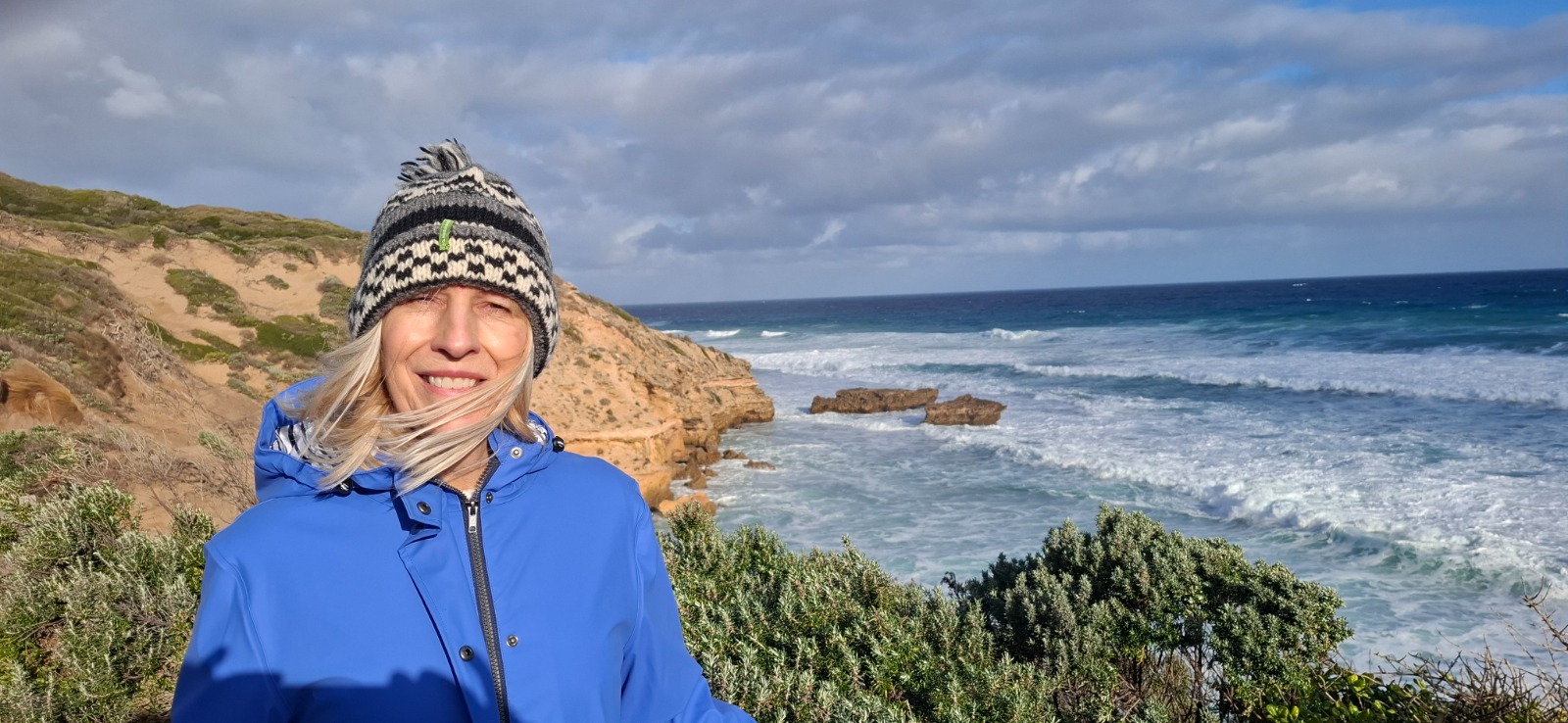
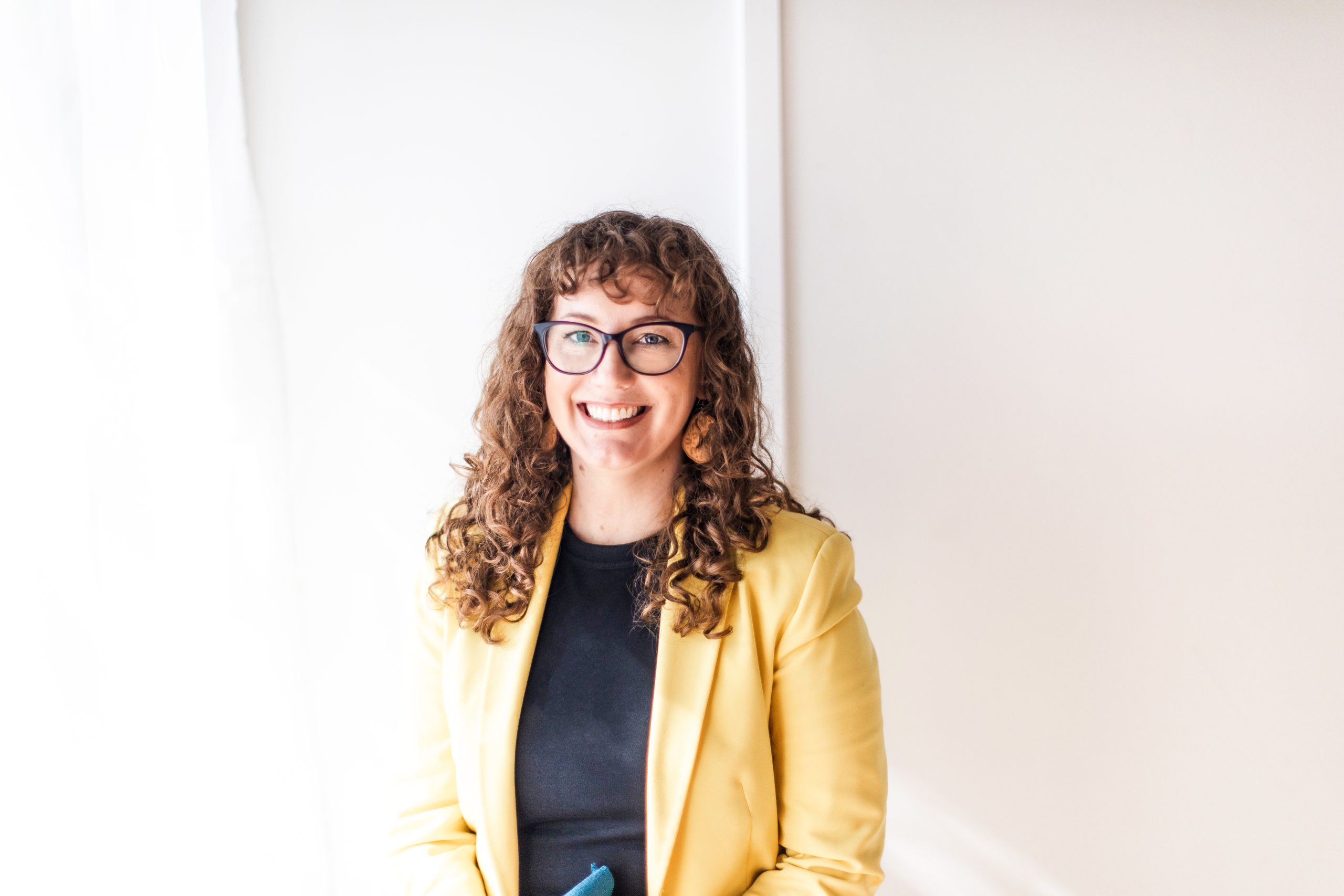
Amy Lomax is a Senior Climate, Sustainability and Resilience Leader with more than 20 years’ experience working across government, higher education, and with clients and communities in Australia and Aotearoa New Zealand.
Her work focuses on helping organisations understand risk, strengthen resilience, and turn sustainability ambitions into practical, real-world outcomes. Amy brings deep expertise across climate risk and adaptation, ESG readiness, integrated water management, environmental management, organisational capability building, and co-design.
Amy has also been an active contributor to People For Nature’s journey. In 2025, she was part of the core team that brought AlterCOP to Australia, supporting speaker coordination and volunteering her time throughout the event.
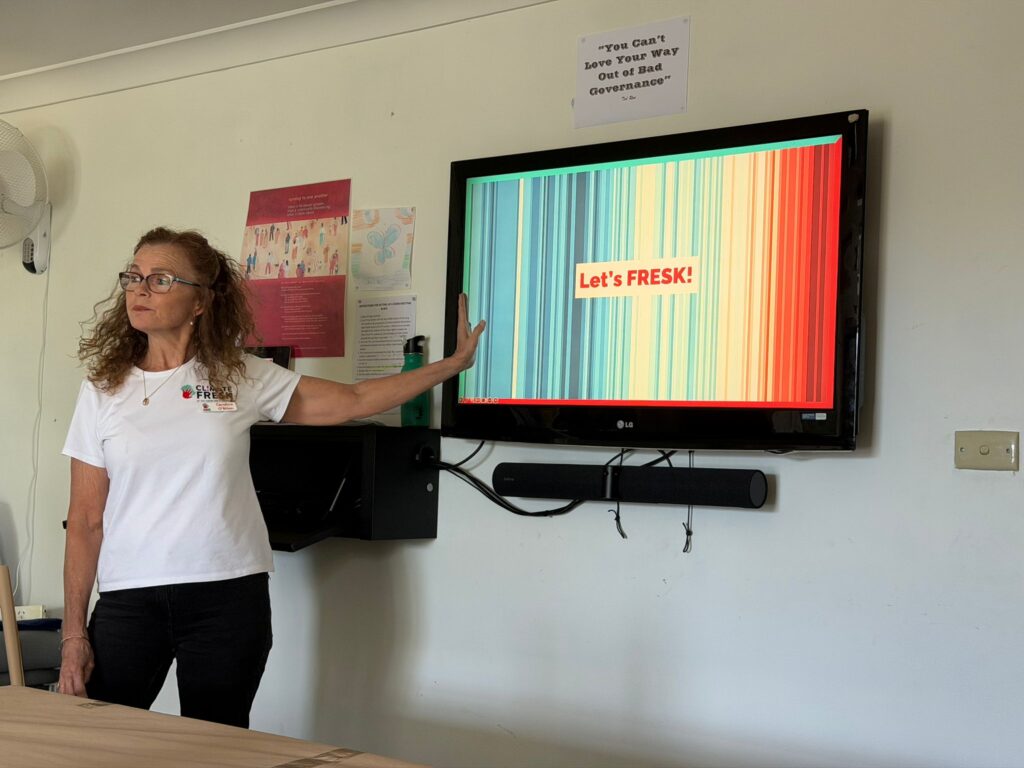
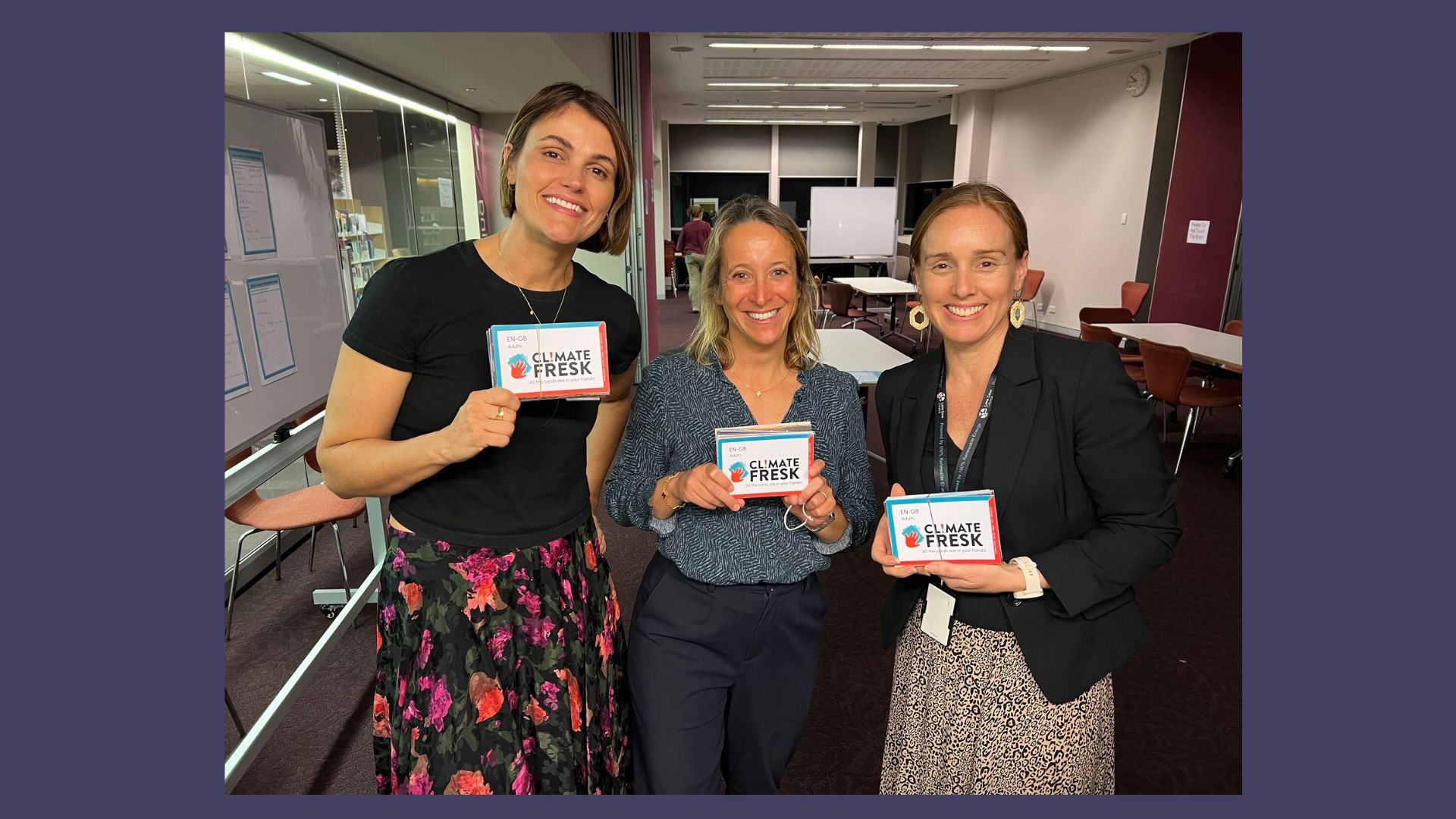
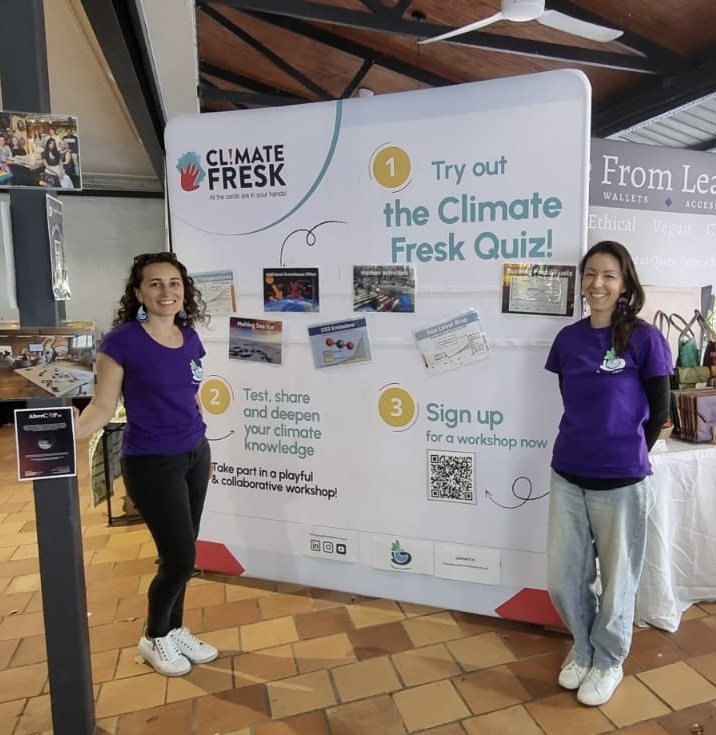
A certified Climate Fresk facilitator, Amy is passionate about connecting people and ideas. She volunteers her time to foster community conversations around sustainability, creating welcoming spaces where anyone can engage with climate and environmental challenges.
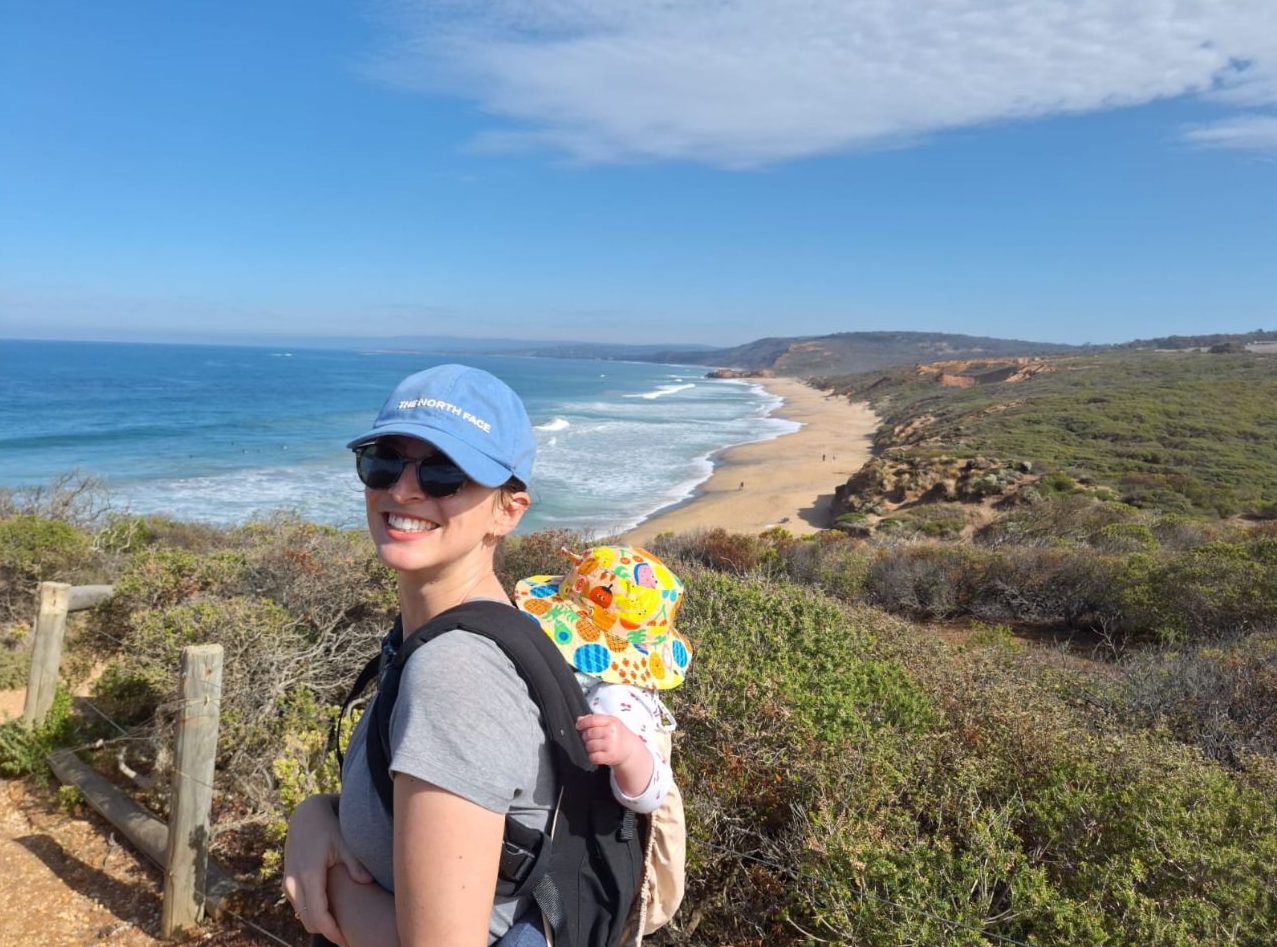
Arthee Chowdhury is passionate about climate education, community engagement, and creating meaningful opportunities for people to reconnect with nature. With a background in environmental science and active involvement in environmental societies and initiatives, she is committed to making climate education more accessible, engaging, and action-oriented for communities across Australia.
Based in Sydney, Arthee has contributed to a range of environmental and social impact initiatives, including facilitating workshops and supporting education programs that build awareness and empower people to take positive environmental action. Through her work, she brings a strong belief that informed communities are at the heart of meaningful, lasting change.
Arthee continues to volunteer her time with People For Nature, supporting the delivery of Climate Fresk workshops and helping to inspire others to take practical steps towards a more sustainable, nature-positive future.
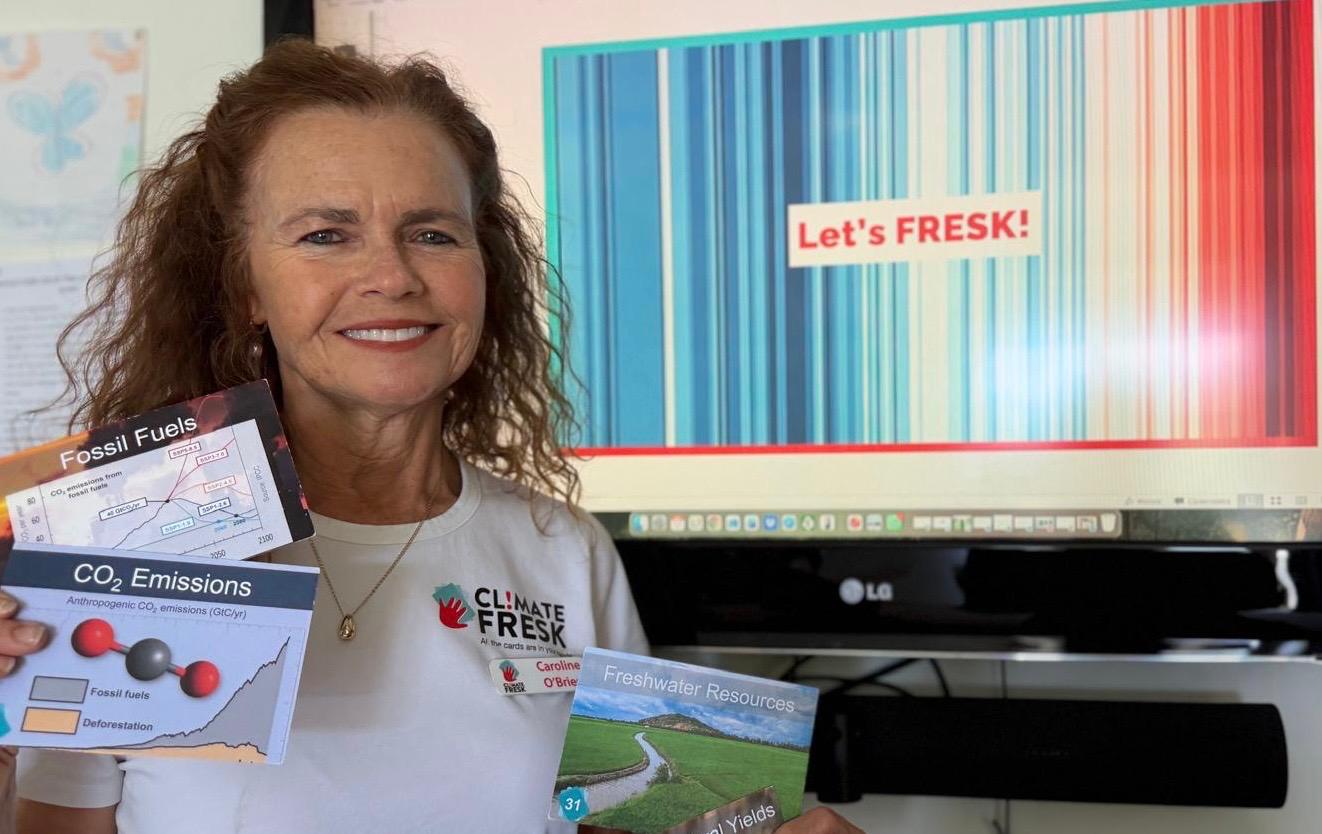
Caroline O’Brien is a seasoned executive leader with three decades of experience driving innovation, strategy and people‑centred growth across technology and climate‑related initiatives. She serves as an Ambassador for People For Nature, supporting community education and engagement in climate science, systems thinking and biodiversity awareness through interactive workshops and facilitation.
Her background combines engineering, executive leadership and a passion for purpose‑driven work, enabling her to bring strategic insight and collaborative energy to People For Nature’s mission of empowering citizens to understand and act on the interconnected challenges of climate change and ecological decline. Caroline’s involvement helps bridge high‑level strategy with grassroots climate education and community‑level engagement, fostering a more informed and active citizenry.
Every year, world leaders, scientists, negotiators, businesses, NGOs, and civil society groups gather for global environmental summits known as COPs — Conferences of the Parties at the UN Climate Change Conference. Here is where major environmental agreements, including the Paris and Kyoto Agreements are negotiated and drafted. This year, there will be two major global COPs.
🌿 COP17 Biodiversity (19–30 Oct) held in Yerevan, Armenia.
🌎 COP31 Climate (9–20 Nov) taking place in Antalya, Türkiye.
These negotiations, which will be led by Australia this year, focus on reducing greenhouse gas emissions, accelerating the energy transition, adapting to climate impacts, and financing climate action globally.
And while these conferences are essential, they can also feel distant from everyday life… unless you’re part of the official agenda.
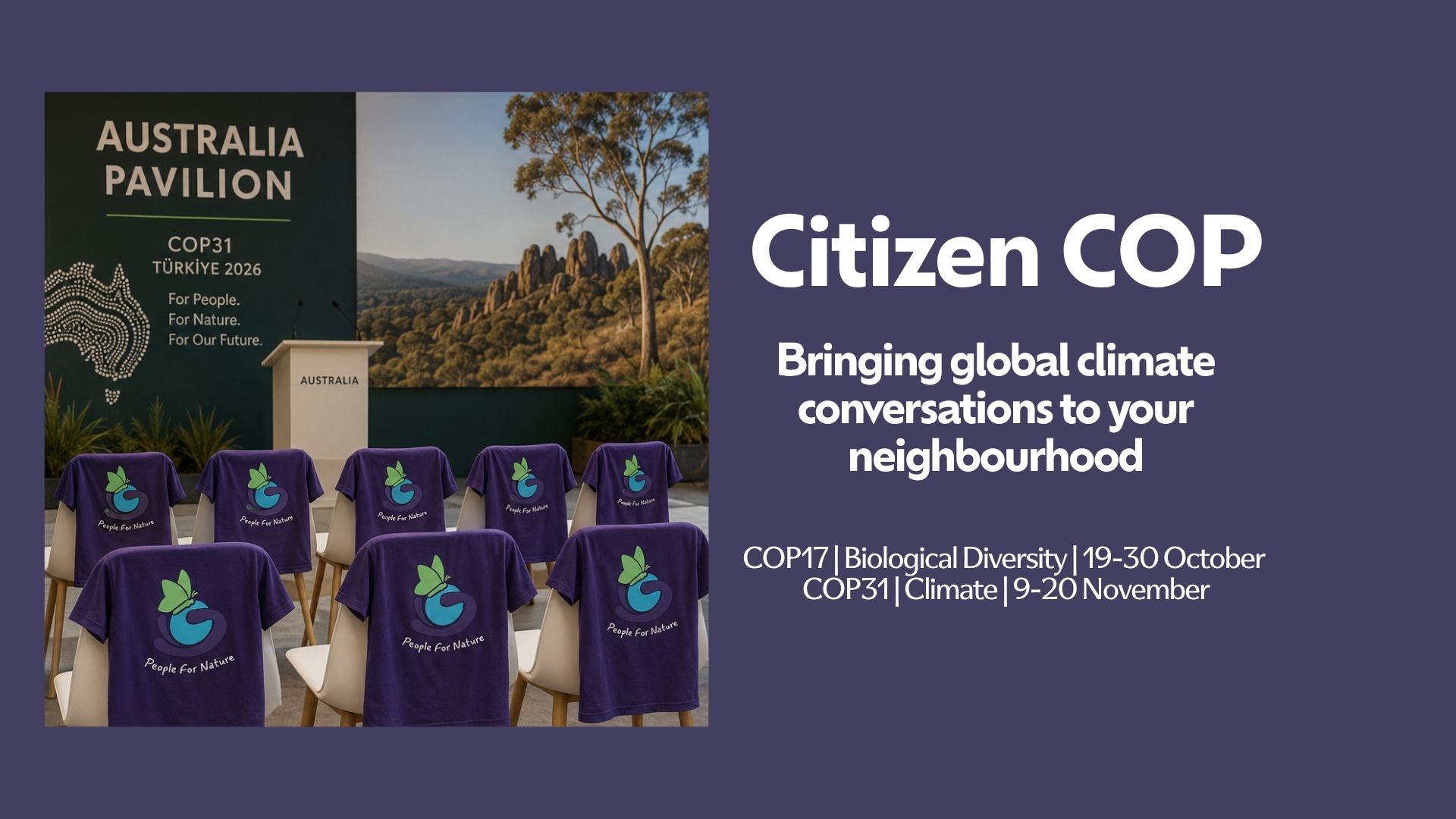
That is where Citizen COP Australia comes in: a nationwide, people-powered movement bringing the spirit of the COP “Green Zone” (the public area at the UN Conference) into communities across Australia — creating spaces where everyone can learn, connect, share ideas and take action for climate and nature.
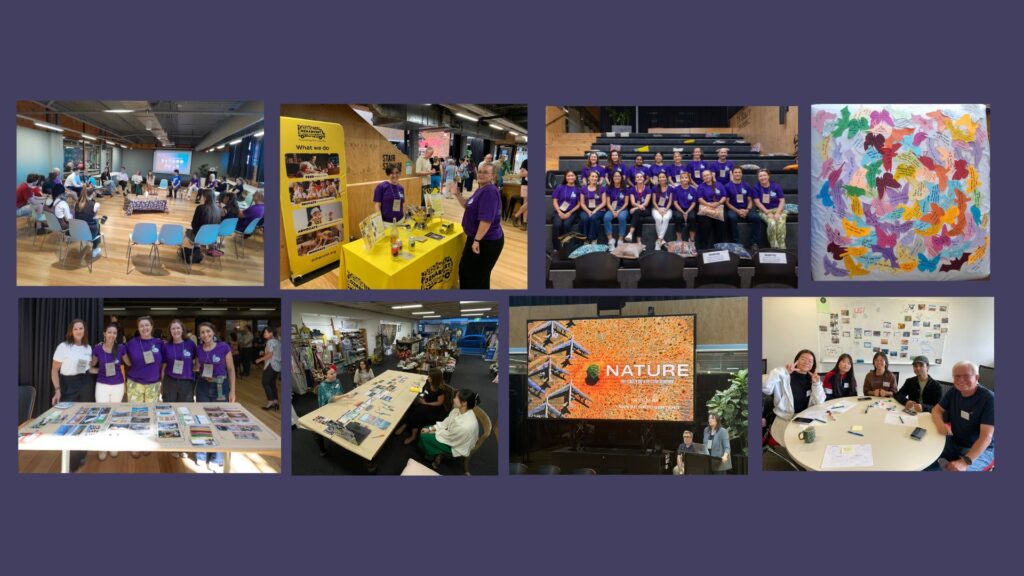
Enabled by People For Nature but intentionally independent and distributed, Citizen COP invites communities, organisations, schools, businesses, artists, and local groups across Australia to host their own events during the COP periods.
Rather than a single centralised conference, Citizen COP becomes a network of locally led conversations and actions — a “people’s COP” that makes global negotiations visible, accessible, and relevant at community level.
Help build Australia’s biggest citizen-led Green Zone
The official COP Green Zone creates space for civil society, communities, innovators, youth and organisations to engage beyond formal negotiations. Citizen COP expands that idea.
Our vision is a nationwide Green Zone — where every community, every state and every Australian has the opportunity to participate.
We believe climate and biodiversity action should be participatory, community-driven, and aligned with the values of the future we are trying to create.
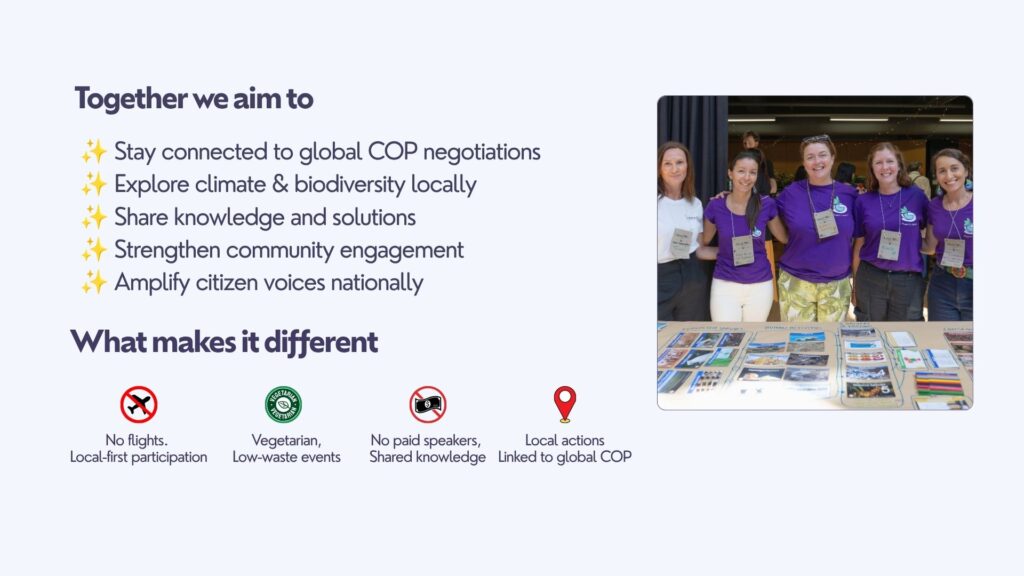
Participating events are encouraged to follow a set of shared principles, including:
No flights associated with events or speaker participation
Low-waste and environmentally responsible event design
Vegetarian or plant-forward catering
A focus on local action and community solutions
No paid speakers, encouraging contribution through shared purpose rather than commercialisation
Inclusivity, accessibility, and constructive dialogue
These principles are not about perfection. They are about modelling practical, values-aligned ways of gathering and collaborating.
In a world where large conferences can sometimes carry significant environmental footprints themselves, Citizen COP aims to demonstrate that meaningful engagement can happen locally, affordably, and with minimal impact.
Together, we can build a Green Zone where conversations happen in neighbourhoods, schools, workplaces, community halls, parks and online spaces. A Green Zone where knowledge becomes action.
Many ways to participate
Citizen COP is intentionally designed as a distributed movement rather than a branded, centralised event.
There are many ways you could participate:
Schools may host student climate forums or biodiversity projects.
Councils might facilitate community workshops.
Businesses could organise sustainability discussions or host Climate Fresk, Biodiversity Collage or Circular Economy Collage workshops with staff and customers.
Artists may create exhibitions or performances exploring ecological themes.
Community groups might run repair cafés, nature walks, film screenings, climate cafés, and so much more.
This decentralised approach allows communities to shape discussions around the issues most relevant to them – whether that is renewable energy, biodiversity restoration, circular economy solutions, sustainable food systems, greener cities, climate adaptation, conservation, or community wellbeing.
Global issues call for local solutions
The impacts of climate change and biodiversity loss are deeply local.
At a time when Australia has an unprecedented opportunity to help shape global environmental conversations through its leadership role connected to COP31, Citizen COP creates a way for communities across the country to feel part of that moment.
Citizen COP bridges the gap between global negotiations and everyday life by translating complex environmental issues into practical, human-centred conversations in our neighbourhoods, schools, workplaces, organisations, and communities.
📆 Interested in organising an event, submit your EOI before 31 August.
How the People For Nature Ambassador pathway empowers the next generation of sustainability leaders
The challenge: Turning science into action
Climate and biodiversity challenges are complex. While scientific knowledge is growing, many people still struggle to understand what is happening, why it matters, and what they can do.
For Sholihah, the barrier is not a lack of care.
“People often don’t take action not because they don’t care, but because they don’t fully understand the issues at hand.”
With a background in environmental engineering and biology education, Sholihah understood the importance of translating complex science into meaningful conversations that connect with people.
The first step: Experiencing collective intelligence
Sholihah’s journey with People For Nature began as a participant.
Her first Climate Fresk workshop took place in Indonesia in June 2024. Despite having an environmental background, she didn’t know what to expect.
What stood out was that it didn’t feel like a traditional lecture.
Instead, participants worked together to build a shared understanding of climate systems by connecting causes and consequences, drawing on everyone’s knowledge and perspectives.
“It felt like everyone in the room was figuring things out together, and somehow that made the whole thing land so much harder and memorable.”
A few months later, after moving to Melbourne for her Master of Environment at the University of Melbourne, Sholihah joined her first Biodiversity Collage workshop.
The experience reinforced something important: environmental education is most powerful when people are active participants in creating knowledge.
Becoming a facilitator: From learning to empowering others
After experiencing the impact of these workshops, Sholihah wanted to help create the same experience for others.
She trained as a Climate Fresk facilitator and later joined People For Nature’s facilitator community, expanding her skills to deliver Biodiversity Collage and Circular Economy Collage workshops.
“I didn’t want to facilitate because I had all the answers. I wanted to help create the space where people could discover and understand these issues together.”
Through People For Nature, Sholihah found not only training opportunities, but a supportive community of people working towards the same goal.
Building confidence and professional skills
The People For Nature Ambassador pathway gave Sholihah opportunities to move from volunteer facilitation into professional environmental engagement.
After facilitating more than five workshops, she began supporting paid corporate Climate Fresk sessions — adapting workshops for different audiences and organisational contexts.
This experience helped her develop skills beyond environmental knowledge:
Facilitating conversations across diverse audiences
Communicating complex science clearly
Supporting groups through challenging topics
Listening and creating inclusive spaces
Connecting sustainability concepts with real-world action
“When you’re facilitating, your job is to hold space for the group, not to steer it toward your own perspective. That’s harder than it sounds, and it’s something I’m still working on.”
Impact beyond the workshops
Today, Sholihah has facilitated many Climate Fresk and Biodiversity Collage workshops, reaching diverse audiences including students, communities and corporate teams.
Her environmental engagement work also contributed to her receiving a Highly Commended award in the Student Leadership category at the University of Melbourne Sustainability Awards 2025.
But the impact goes beyond numbers.
Through the Ambassador community, Sholihah has developed confidence, leadership skills and a network of people working across climate and sustainability.
Why the Ambassador pathway matters
Sholihah’s journey demonstrates the power of citizen-powered change.
People do not need to be climate scientists to contribute to solving climate and biodiversity challenges.
They need:
Access to trusted knowledge
The confidence to start conversations
Skills to bring others together
A community that supports their journey
The People For Nature Ambassador pathway transforms participants into environmental leaders who can bring science, dialogue and action into workplaces, universities and communities.
Her message to future ambassadors
“You don’t need to be an expert in climate change or biodiversity to facilitate these workshops. You just need to be curious and willing to listen. The model is built on collective intelligence, which means the group does the work together.”
Interested in becoming a People For Nature Ambassador? Join our growing community of facilitators helping Australians understand, connect with and protect nature.
Aish became a Fresker in 2022. After meeting Laure Legros at a hackathon, she was encouraged to attend a Fresk event in Perth. She went with a friend, and it turned out to be a life-changing experience for both of them.
Aish’s motivation comes from her fascination with science communication, recognising how often we fear what we don’t understand. The Fresk process allowed her to be part of a story that breaks down complex science into something accessible and relatable.
One of Aish’s most inspiring experiences was facilitating a multi-group Fresk with the French-Australian Chamber of Commerce. The event brought together multiple groups, facilitators, and organisations, and the discussions were transformative.
Several participants shared that their understanding of climate science had changed, and they felt inspired to make significant changes in their lives. They appreciated the clarity the Fresk process provided, which made the complex subject matter easier to trust.
When it’s tough to inspire action, Aish reflects on the belief that perfection is the enemy of progress. She believes that even reaching a small portion of the audience is worth it, knowing that every step forward contributes to the larger cause.
Carmelo became a Fresker in April 2023, driven by a desire to engage his students in climate change education.
One of his proudest achievements was facilitating the largest Climate Fresk, held in Australia with more than 120 IGS staff participating in the workshop facilitated by students.
You can read the IGS Climate Freskcase study here.
Today, he also runs Biodiversity Collage workshop; it’s exciting to see him share his knowledge of biodiversity with schools.
When it’s tough to inspire action, Carmelo reflects on the world his students will inherit, striving to ensure he does his part to make it better.
We feel blessed to have Carmelo as part of the team because students are the seeds of the future we want to cultivate.
Bruce became a Fresker in October 2022 after attending a workshop at his office, led by Laure Legros, the Climate Fresk Country Lead at that time.
After a conversation with her, Bruce knew this was a journey he wanted to continue.
Although he was already aware of the climate issues we face, he was deeply moved by the effectiveness of the Fresk delivery and saw how it impacted other participants. It inspired him to contribute in a meaningful way.
One of his proudest moments was when his workshop inspired two of his students, Tim and Erica, to become facilitators themselves. Soon, he’ll be helping them deliver their first workshop, continuing the cycle of empowerment and education.
What keeps Bruce motivated, especially when it’s tough to inspire action, is the thought of future generations who will inherit the world we shape today.
While the challenges ahead are significant, he believes that every small positive impact counts, and we owe it to those yet to be born to do what we can now.
“There are a lot of people – a lot of generations – that have not yet been born. There is little doubt that the world that they face is going to be worse by almost every measure than the one that we live in. But it is not a binary outcome. It will not be a matter of success or failure. Any small impact we can make is positive. And we owe it to those who have no voice because they have not yet been born to do what we can.“
Ewa became a Fresker in June 2022 through the WorkForClimate Academy, where the Climate Fresk workshop played a pivotal role in her training. She is also a Biodiversity Collage facilitator. She has co-facilitated many workshops, reaching hundreds of participants.
Her motivation to get involved came after the birth of her son, when she realised the challenges future generations would face due to climate change. Unsure where to begin, she connected with Laure, the Climate Fresk Country Coordinator at the time, who recommended the Academy. This led her to become a Climate Fresk facilitator.
Ewa is passionate about raising awareness in Australia and volunteers at local markets while also contributing to the creation of communication tools for Climate Fresk Australia’s social media. With a background in marketing communications, she enjoys using her skills to further the mission.
“Being part of this community is a reminder that our collective voice is stronger. I also prefer to focus on what I can do rather than being discouraged by the inaction of others.”
Young people are already experiencing the effects of a changing climate.
That’s why at People For Nature, we believe it is crucial to integrate climate education into schools and universities. Early education fosters a sense of responsibility and urgency, ensuring that the next generation is ready to tackle the challenges ahead.
Building climate literacy through teacher-led Climate Fresks
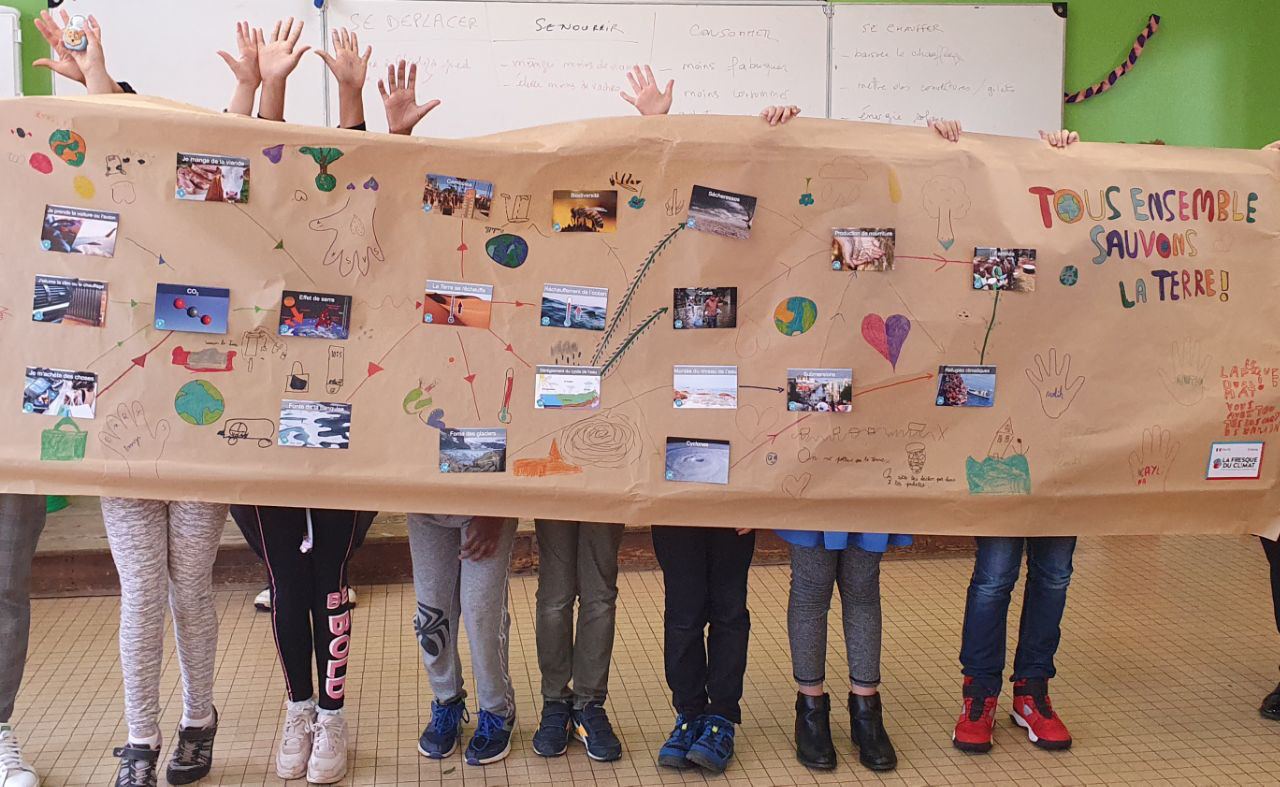
One example of our work is with Fort Street High School. Since 2022, the school has made climate education a core part of its annual Sustainability Week and it organises Climate Fresk workshops for Year 10 students (ages 15–16).
Fort Street High School recognises that climate change must be meaningfully embedded in the classroom, not only to raise awareness, but to empower students with solutions they can apply in shaping a better future.
The approach
Fort Street High School wanted to create a program that could be sustained for the long term. So, rather than relying solely on external facilitators, we trained eight teachers to co-lead the workshops. By taking this ‘train the trainer’ approach, we gave these teachers the knowledge, skills and confidence to run their future workshops autonomously, which they have been doing successfully for the last few years.
Since 2025, teachers have taken on full facilitation and organisation of the workshops themselves.
Results & key impact
The Climate Fresk workshops continue to be a key part of the school’s Sustainability Week with strong engagement from both teachers and students.
We witness a high level of student engagement, showcasing a clear benefit in engaging and empowering teachers to lead the Climate Fresks as they already have a trusted relationship with the students.
Carole Defago, Climate Fresk Program Lead at People For Nature
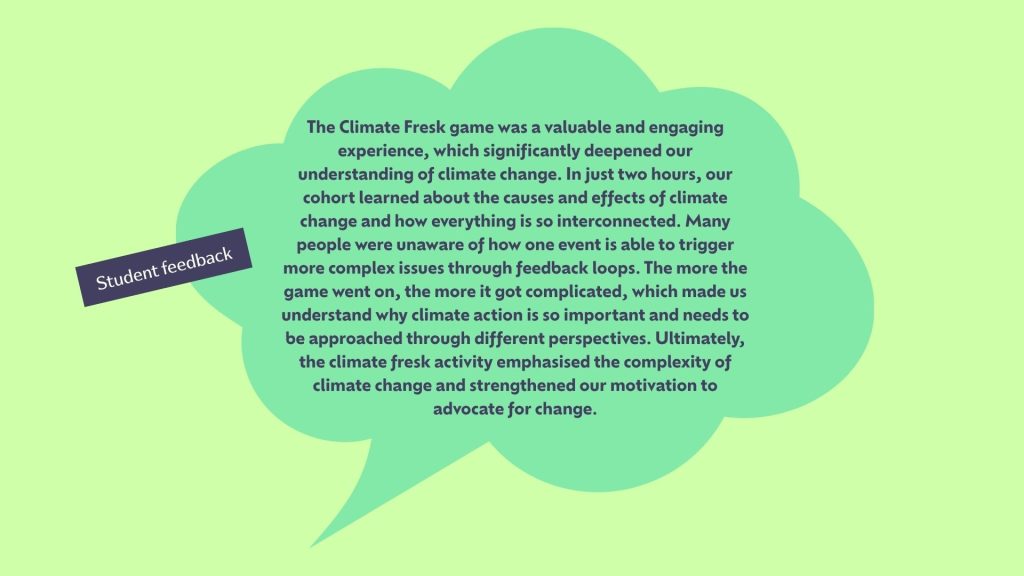
Additional student feedback supported the success of this climate initiative:
The final presentation of the projects, which the groups presented together in the school hall as a sort of trade fair, [involved] pitching each project to their peers, their teachers and to students from Years 7-9, who now eagerly anticipate their own opportunity to address the climate crisis in this program. The final “bazaar” was full of energy and enthusiasm, with student experts explaining patiently and passionately the urgent need to face the issues their product or system addressed.
Impact beyond the school
We trained eight new Climate Fresk facilitators, building on our existing group of facilitators across Australia.
Furthermore, this success story has inspired other schools to adopt a similar model:
💚 Redlands school has implemented a full-day Year 9 program combining a Climate Fresk workshop and film screening.
💚 The Jesuit schools network trained 8 teachers, with facilitation training scheduled for June 2025.
Our long-term vision for climate literacy in schools
Schools can play a pivotal role in fostering a generation of informed and engaged young leaders dedicated to combating climate change and promoting sustainable practices within their communities.
By equipping teachers as facilitators, this model demonstrates how Climate Fresk can be scaled sustainably within education systems. It is our long-term ambition to see climate literacy and systems thinking embedded in the national curriculum. The Fort Street High School approach highlights the potential for educators to drive change within their schools, fostering a culture of climate action and student-led sustainability projects.
📩 Let’s start the conversation.
Contact us today if you are interested in developing a climate education initiative in your school! We’d love to chat.
Together, we can drive positive change, one action at a time.
Over the past 150 years, the concentration of carbon dioxide (CO₂) in Earth’s atmosphere has increased from a relatively stable 280 parts per million (ppm) to a concerning 420 ppm today. 420 ppm is not just a number – it is a key driver behind climate change, leading to devastating environmental consequences that impact everything from ecosystems to weather patterns to economies. The urgency to act has never been clearer. However, in the face of such a monumental challenge, the path forward is not one of isolated efforts but of collective action – of recognising the power in numbers.
This was the core message behind the Climate Fresk workshop organised by Future Group during its annual EOFY summit in Australia.
The workshop brought together over 120 employees from across the company – it was the biggest professional Climate Fresk in Australia.
Futureproofing a Movement
Future Group (Future Super, SmartMonday, Guild Super, Child Care Super and Verve Super) is on a mission to lead the movement to use the power of money to invest, advocate and campaign for a future worth retiring into. The company has proven that purpose-led super can shake up an industry, shift narratives, and build power.
The summit was designed to challenge employees to think about Futureproofing Our Movement – it was about defining scaling impact, not just in terms of size, but in terms of influence, strategy, and collective movement-building.
In the opening remarks, Future Group emphasised the need to create systemic change. But achieving that requires more than just corporate commitment; it requires a rallying of voices, talents, and capital to drive real progress. Power in Numbers is an acknowledgment that collective efforts, combined with clear and consistent action, have the potential to make the next decade of climate action even bolder.
The Power of Education
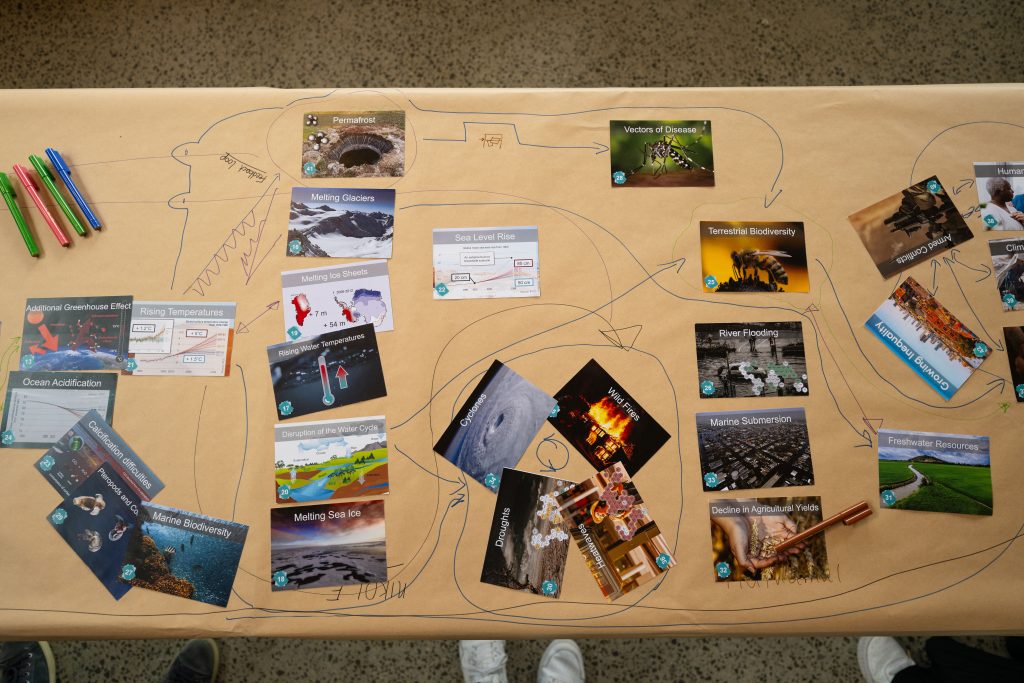
The Climate Freskworkshop is a fun, educational experience that aims to help participants understand the complexities of climate change and its wide-ranging impacts. It is based on climate science and focuses on how various human activities and natural systems are interconnected in driving global warming.
By educating employees about the science behind climate change and the systemic changes needed, the Future Group took a critical step in ensuring that each person within the organisation understands and actively supports the company’s values and mission.
This is crucial in a time where the complexities of climate change can feel daunting. Understanding the issue at a deeper level empowers individuals to take actionable steps—whether it’s reducing personal carbon footprints, advocating for more sustainable business practices, or contributing to larger community efforts. To take action and build solutions, we first need to understand the problem. Companies embedding climate education into the workplace are doing more than raising awareness—they’re cultivating a culture of action, where every employee is empowered to be a change-maker.
Collective Action Drives Change
Each employee brings something unique to the table—whether it’s expertise in finance, marketing, technology, human resources or other. Power in Numbers means harnessing these diverse skills and perspectives to advance a shared mission. It also means harnessing collective financial strength to shift markets, accelerate climate solutions, and drive systemic change. The result is a company that doesn’t just talk about sustainability but actively integrates it into every aspect of its operations and culture.
A Call to Action for Companies
Companies must actively educate their employees, align their mission with sustainable practices, and create an environment where collective action is the driving force behind change.
Integrating climate education into corporate culture is not just an ethical imperative – it’s a strategic one. The world is watching as businesses face increasing pressure from consumers, regulators, and stakeholders to address climate change. The companies that will thrive in the future are those that foster a culture of innovation and leadership, and scale their impact by leveraging the power of workforce and the power of consumers. It’s about creating a ripple effect that extends far beyond the walls of any single organisation. By aligning our voices, our capital, and our mission, we become more than just a group of individuals- we become a force for change, one that can help transform the world in ways we’ve yet to imagine.
The next decade is crucial. It’s a time when decisive action must be taken to reduce global emissions from greenhouse gasses. And as Future Group’s summit and Climate Fresk workshop showed, the power to drive that change lies in our collective hands.
People For Nature empowers your people to create positive change for nature
As businesses face the growing urgency of climate and biodiversity challenges, we believe your organisation has the potential to lead the way in creating meaningful change.
Sustainability isn’t just a responsibility — it’s an opportunity. Forward-thinking businesses are already taking the lead, strengthening their brands, reducing costs, and future-proofing their operations.
If you want to equip your team with the knowledge and confidence to make a difference, we’re here to help!
📩 Let’s start the conversation.
Contact us today to organise a Climate Fresk, Biodiversity Collage or Circular Economy Collage workshop for your team.
Together, we can drive positive change, one action at a time.
This article was originally published on LinkedIn by Climate Fresk Australia.
Bank Australia is a customer-owned bank with a strong commitment to social and environmental impact. With 70% of its customers prioritizing climate action, the bank is committed to aligning its operations with a sustainable future. As part of its broader purpose, the organisation has been actively integrating climate and biodiversity considerations into its operations, strategy, and decision-making.
To empower its people to navigate the complexities of climate change, and to embed climate awareness into the bank’s culture, Bank Australia has engaged in climate literacy and systems thinking initiatives that help employees better understand the links between finance, nature, and long-term risk.
Through interactive learning experiences, staff are encouraged to explore how climate science connects to their roles and how their decisions can contribute to more sustainable outcomes.
“I recently had the opportunity to attend the Climate Fresk workshop at our Bank Australia Collingwood head office moderated by Bruce M. from People For Nature, and it was a really good reminder of just how imminent and interconnected the impacts of climate change are.
The session breaks down complex climate science in a clear, practical way and helps put the bigger picture into perspective. It resets and prompts you to keep climate awareness still at the front of mind and not lose it in the noise around.
What I appreciated most was how the conversation stayed grounded and it wasn’t overwhelming, instead, it was a chance to pause, reflect, and rethink how our everyday choices and work connect to broader climate outcomes
It also aligned nicely with Bank Australia’s Climate Action Strategy focus, encouraging shared responsibility and practical thinking rather than grand gestures.
Also, a small fun fact I learned along the way: “Fresk” is an English adaptation of the French word “fresque”, meaning a fresco or mural which feels fitting, as the session is all about stepping back and seeing the whole picture.”
Minisha Reddy, Impact Lending Support Consultant at Bank Australia.
By investing in climate education, Bank Australia is strengthening internal awareness, aligning its workforce with its values, and building the capability needed to support Australia’s transition to a low-carbon, nature-positive economy.
This approach reflects a growing recognition that informed employees are key to driving meaningful, organisation-wide change. It also positions Bank Australia as a leader in sustainable finance, earning recognition from customers for its authentic commitment to climate action.
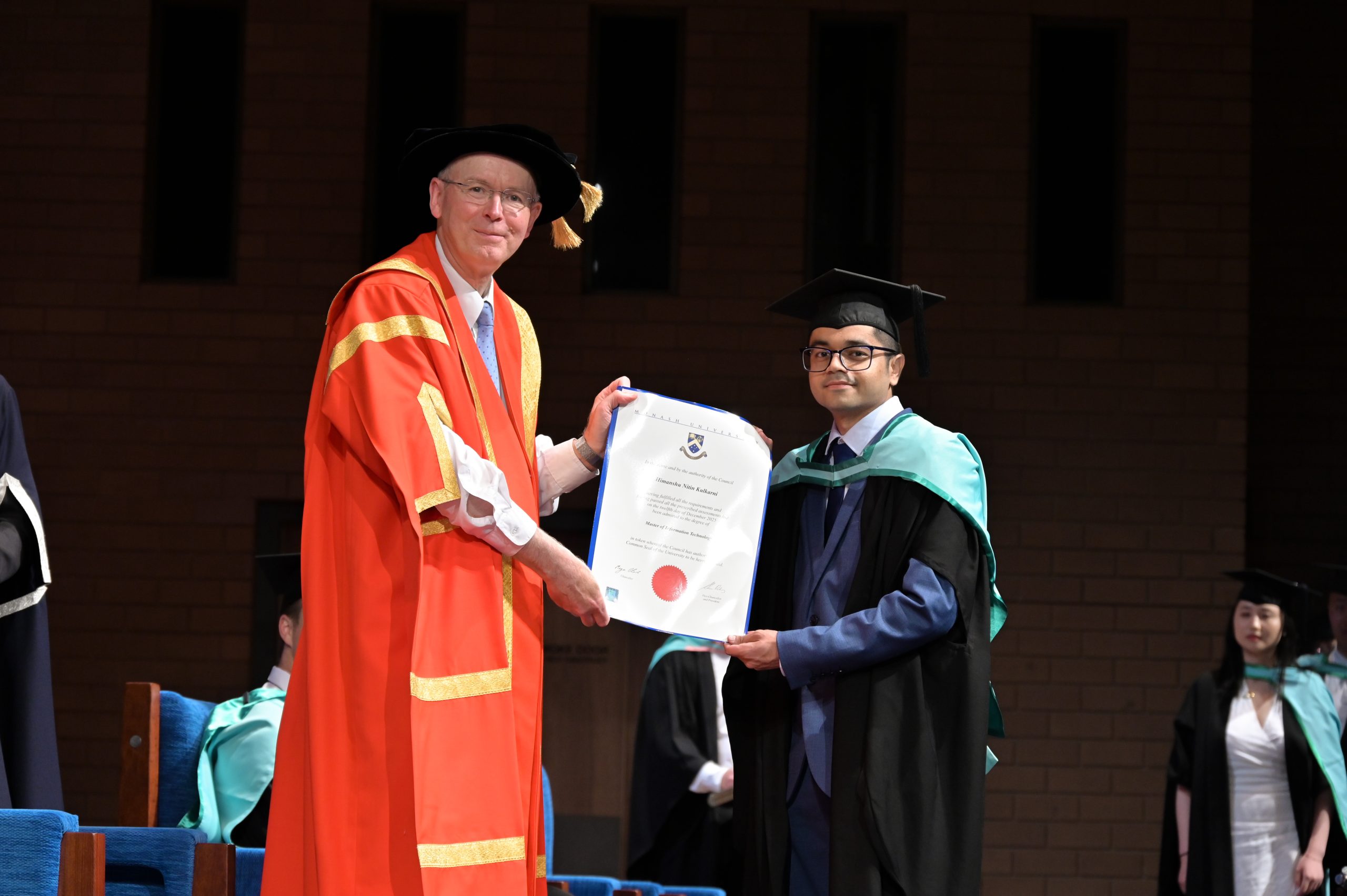
Himanshu is a recent Master’s in IT graduate from Monash University and a software engineer based in Melbourne. Outside of coding, he loves getting outdoors and exploring nature with friends, drawn to Australia’s stunning landscapes. For Himanshu, spending time in nature isn’t just recreation — it’s what makes you truly want to protect it.
He strongly believes that technology can be a powerful force for conservation. “With the right tools, we can monitor ecosystems, track wildlife, and turn data into meaningful action,” he says. By harnessing tech for good, Himanshu hopes to help build systems that not only understand the natural world but actively contribute to saving it.
Joining People For Nature was a natural step for Himanshu.
“I wanted to contribute my skills to a mission that is critical for our survival,” he explains. For him, technology and nature aren’t opposites — they can work together. With purpose-driven tech, he believes we can create a future where both thrive.
Himanshu’s passion reminds us that innovation and conservation go hand in hand, and that the next generation of environmental action will be powered by people who can think in code and in ecosystems.
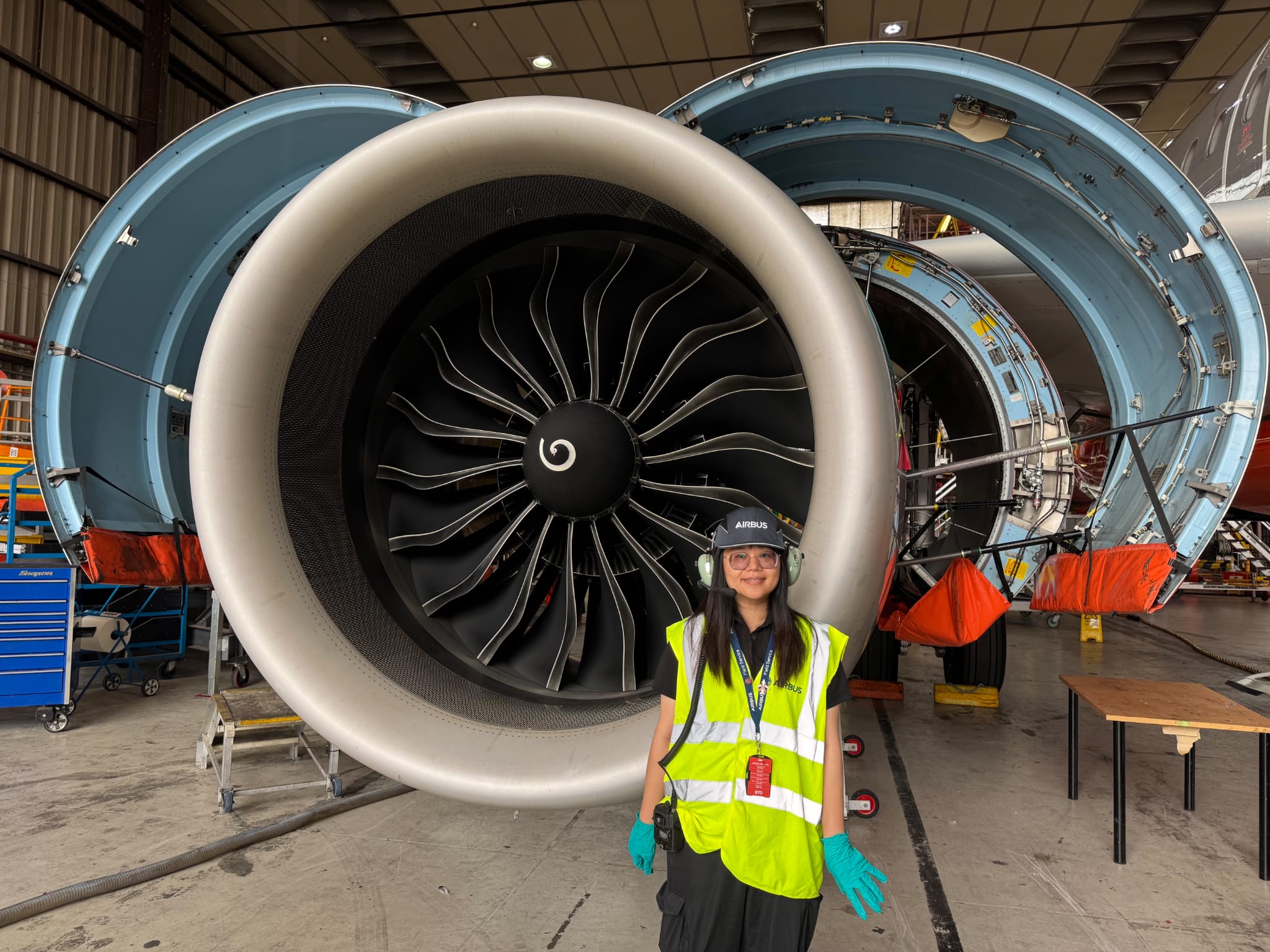
Mandy started her Climate Fresk journey at her current workplace, Airbus, in May 2024. She decided to become a facilitator herself as she felt she could do more to expand climate literacy within her company and among the general public.
As a facilitator within her company, Mandy admits it can be challenging to stay up to date with two sets of materials: one pack of Climate Fresk cards focusing on the aviation industry, and one for the general public. At the same time, she is excited about the number of people her workshops can reach.
I believe that increasing climate literacy in Australia is incredibly important. By being a part of People For Nature, I’m able to reach more people from all walks of life.
Mandy joined People For Nature as an ambassador and is excited to continue spreading climate education among everyday citizens, and within her workplace.
I’m excited to be a part of People For Nature, as we not only work on climate education but also advocate biodiversity conservation and rescue activities for our precious native wildlife.
From Awareness to Adaptation: Helping People and Organisations Prepare for a Changing Climate
For many years, climate conversations have focused primarily on mitigation — reducing emissions, transitioning energy systems, and limiting future warming. These efforts remain essential.
But as climate impacts intensify across Australia and around the world, another conversation is becoming unavoidable: how do we adapt to the changes already underway?
At People For Nature, our work has always been about transforming knowledge into action. Through Climate Fresk, we help people understand the physical science behind climate change. The next natural step is helping individuals, organisations, and governments move from understanding climate change to preparing for it.
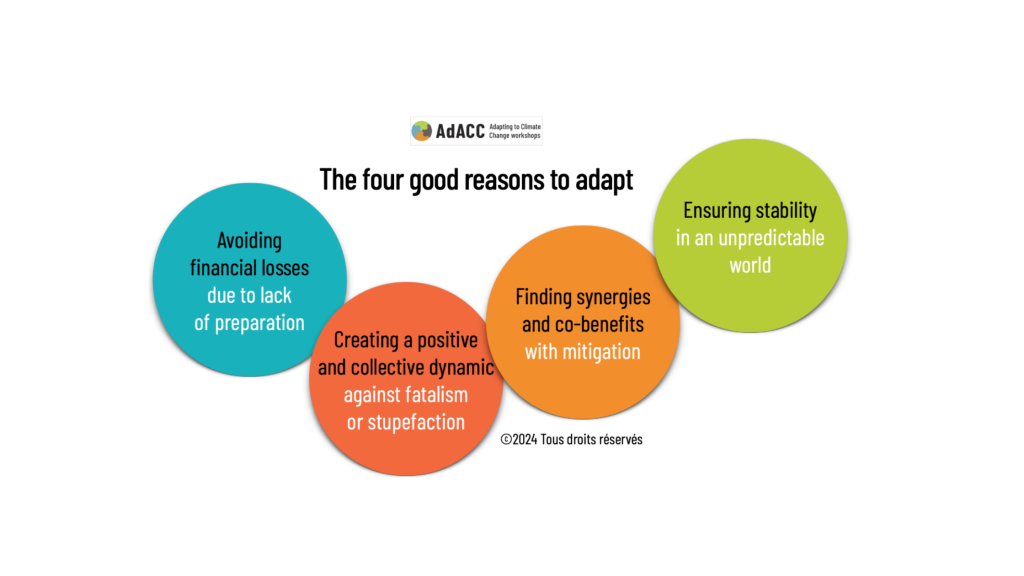
This is why we offer the Adapting to Climate Change workshop, a science-based, collaborative experience designed to build climate confidence and practical adaptation thinking.
Why Adaptation Matters Now
Climate change is no longer a distant risk. Across Australia we are already experiencing its effects — more intense heatwaves, floods, droughts, bushfires, and pressure on ecosystems and infrastructure.
Yet many organisations feel stuck between awareness and action. Climate risks can feel complex, uncertain, or overwhelming. Teams may understand the problem but struggle to translate it into meaningful decisions.
Adaptation provides a pathway forward.
Rather than asking only how to reduce impact, adaptation asks:
How will climate change affect our people, operations, and communities?
Where are we most vulnerable?
What actions strengthen resilience rather than create unintended consequences?
How do we adapt in ways that also support nature and society?
Adaptation is not about fear. It is about preparedness, agency, and collective intelligence.
A Workshop Designed for Clarity and Action
Originally developed in France as Les Ateliers de l’Adaptation au Changement Climatique, this workshop complements existing climate education tools by focusing on decision-making in a changing world.
The experience helps participants:
Understand the difference between mitigation and adaptation
Explore climate risks and vulnerabilities in real-world contexts
Evaluate adaptation options and avoid maladaptation
Develop a shared language across teams
Co-design practical and strategic responses relevant to their own context
The workshop is highly interactive and collaborative, creating a psychologically safe space where participants can explore uncertainty without blame or overwhelm.
This approach strongly aligns with People For Nature’s philosophy: learning happens best when people think together.
From Climate Literacy to Climate Capability
Over the past years, we have seen thousands of participants leave workshops with a deeper understanding of climate and biodiversity challenges. Increasingly, the next question we hear is:
“So what do we do now?”
Adaptation answers that question.
It moves organisations from awareness to capability. It helps teams integrate climate thinking into strategy, operations, and long-term planning. And importantly, it reconnects climate action with human experience — how we live, work, and care for places.
Adaptation is also inseparable from nature. Healthy ecosystems reduce climate risks, support water systems, cool cities, and strengthen community resilience. Nature-based solutions therefore sit at the heart of meaningful adaptation pathways.
Building Climate Confidence in Australia
Australia faces some of the most acute climate risks globally, but also holds extraordinary expertise across science, business, local communities, and First Nations knowledge systems.
What is often missing is not knowledge — but shared understanding and spaces for collective sense-making.
By bringing this workshop to Australia, People For Nature aims to contribute to building that shared capacity. Whether working with businesses, local governments, community organisations, or leadership teams, the goal is the same:
to move from climate anxiety to informed, collective action.
Because adaptation is not a technical exercise alone. It is a social process — one that requires collaboration, creativity, and courage.
Looking Ahead
Climate change will continue to shape the coming decades. The question is not whether change will happen, but how prepared we choose to be.
If you are interested in bringing the Adapting to Climate Change workshop to your organisation or community, we would love to start the conversation.
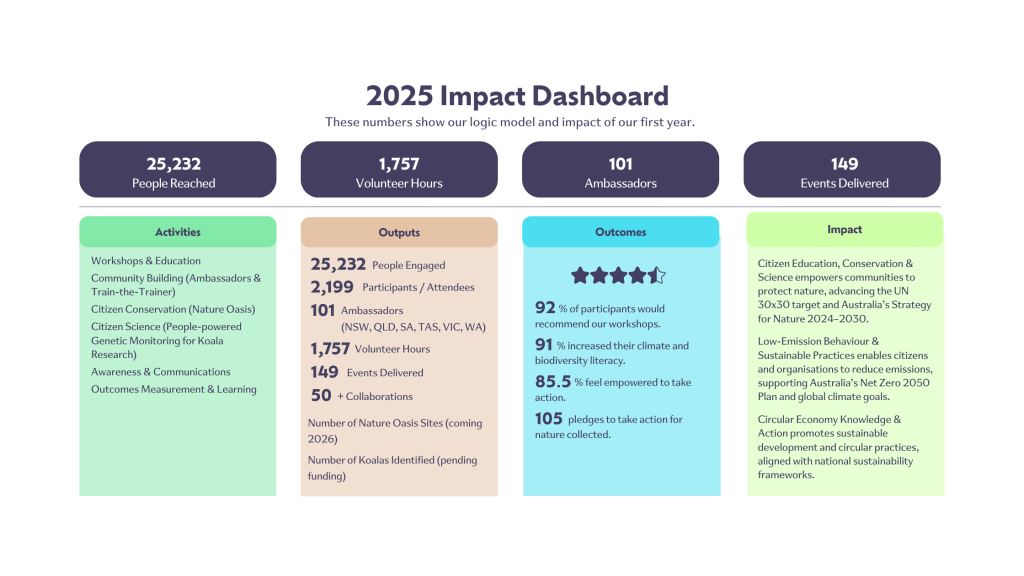
2025 was a big year for People For Nature. Together with our amazing community, we educated thousands of Australians on climate and biodiversity, ran hands-on workshops, and inspired action for nature.
From citizen science projects to corporate partnerships, our collective efforts are making a real difference — and we want to share it with you.
Dive into our 2025 Impact Report to see the stories, the numbers, and the people driving change. Let’s celebrate what’s possible when people power meets nature.
As a psychologist Gaye believes that our wellbeing is inseparable from the health of the Earth.
I want to help people reconnect with the natural world and nurture the emotional resilience and care needed to protect our planet in the face of climate change.
A Climate Fresk facilitator, Gaye played a key part in bringing the Youth program for AlterCOP 30 to life in Brisbane in November 2025.
Being part of a community helps tackle climate change by turning individual concern into collective action – sharing knowledge, changing habits together, and building the momentum needed for real, lasting impact and change.
Some people work on climate solutions in boardrooms. Others bring them to life in circles of conversation — where citizens become part of the solution.
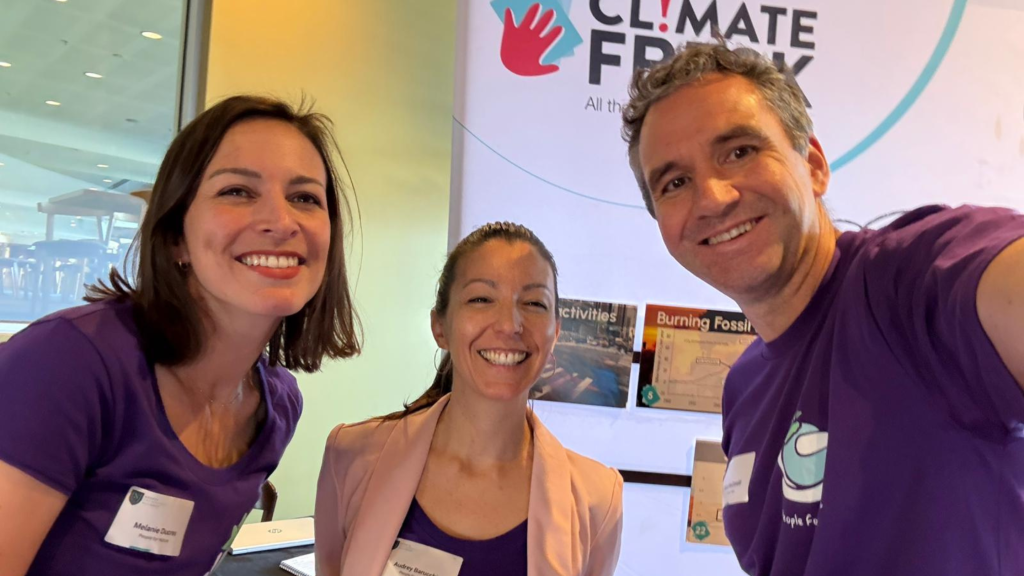
Meet Mélanie Ducros.
Originally from New Caledonia and now based in Victoria, Mélanie is deeply committed to climate action across the Pacific region. Her work is grounded in a simple but powerful belief: when people are informed and empowered, they become a driving force for change.
Mélanie is a process, energy and environmental engineer, with nine years of experience working on international development projects across West and North Africa and the Indo-Pacific. Her work has focused on the intersection of renewable energy, sustainable water access and climate adaptation — where technical solutions meet real human needs.
Today, she continues this journey through her work on energy transition with the French–Australian Indo-Pacific Centre for Energy Transition (FACET), helping shape conversations around a more sustainable future between France, Australia and the broader region.
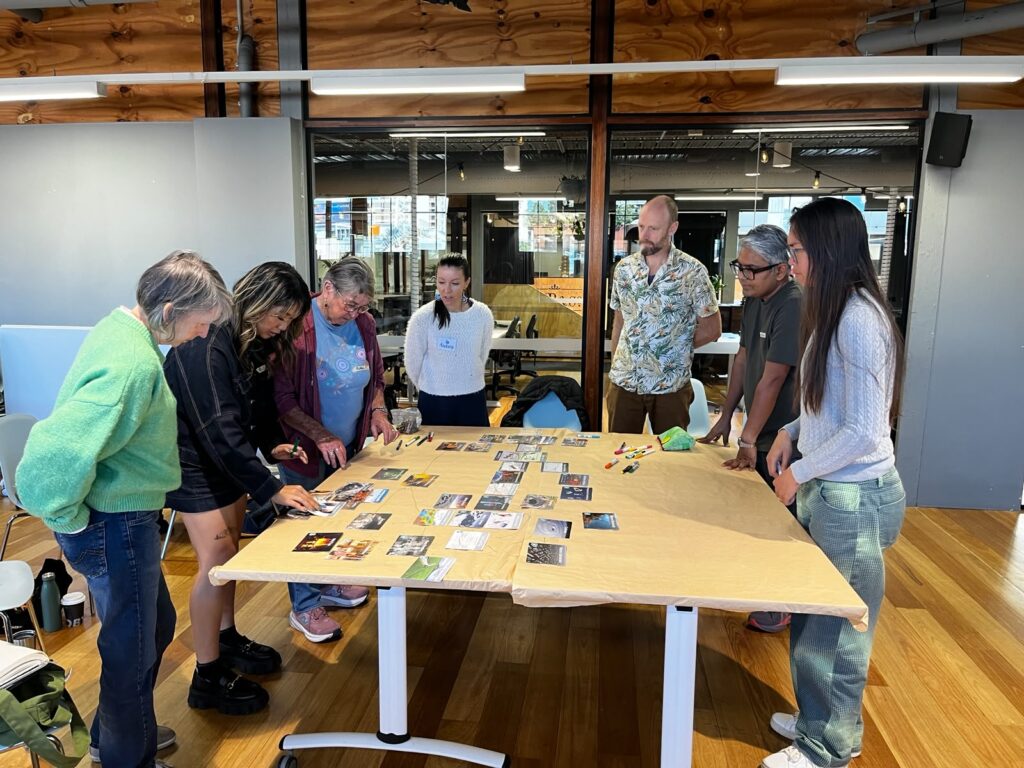
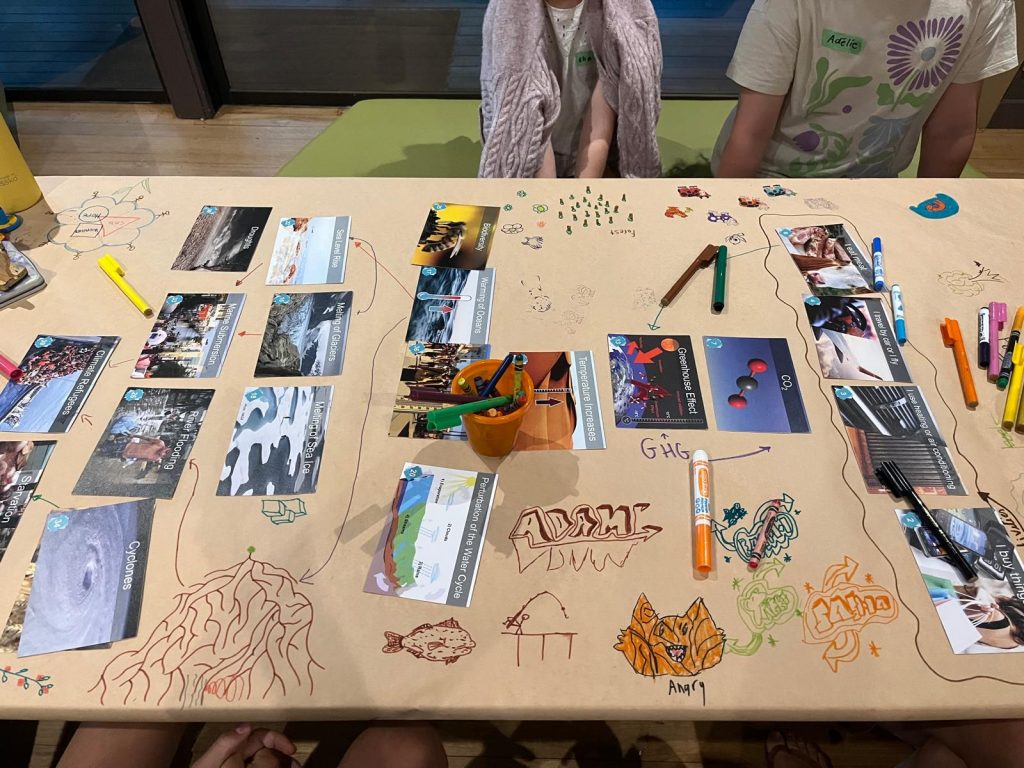
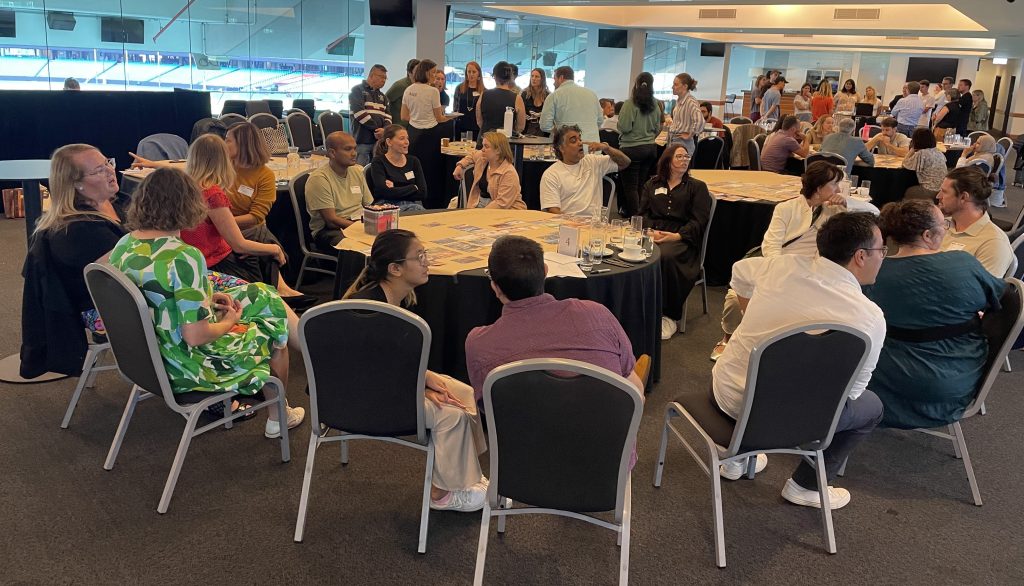
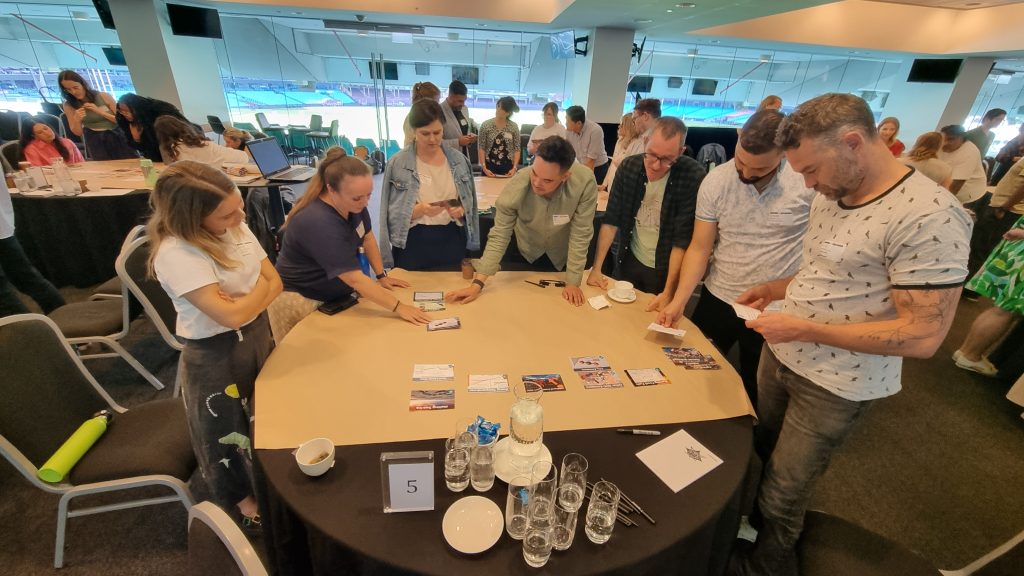
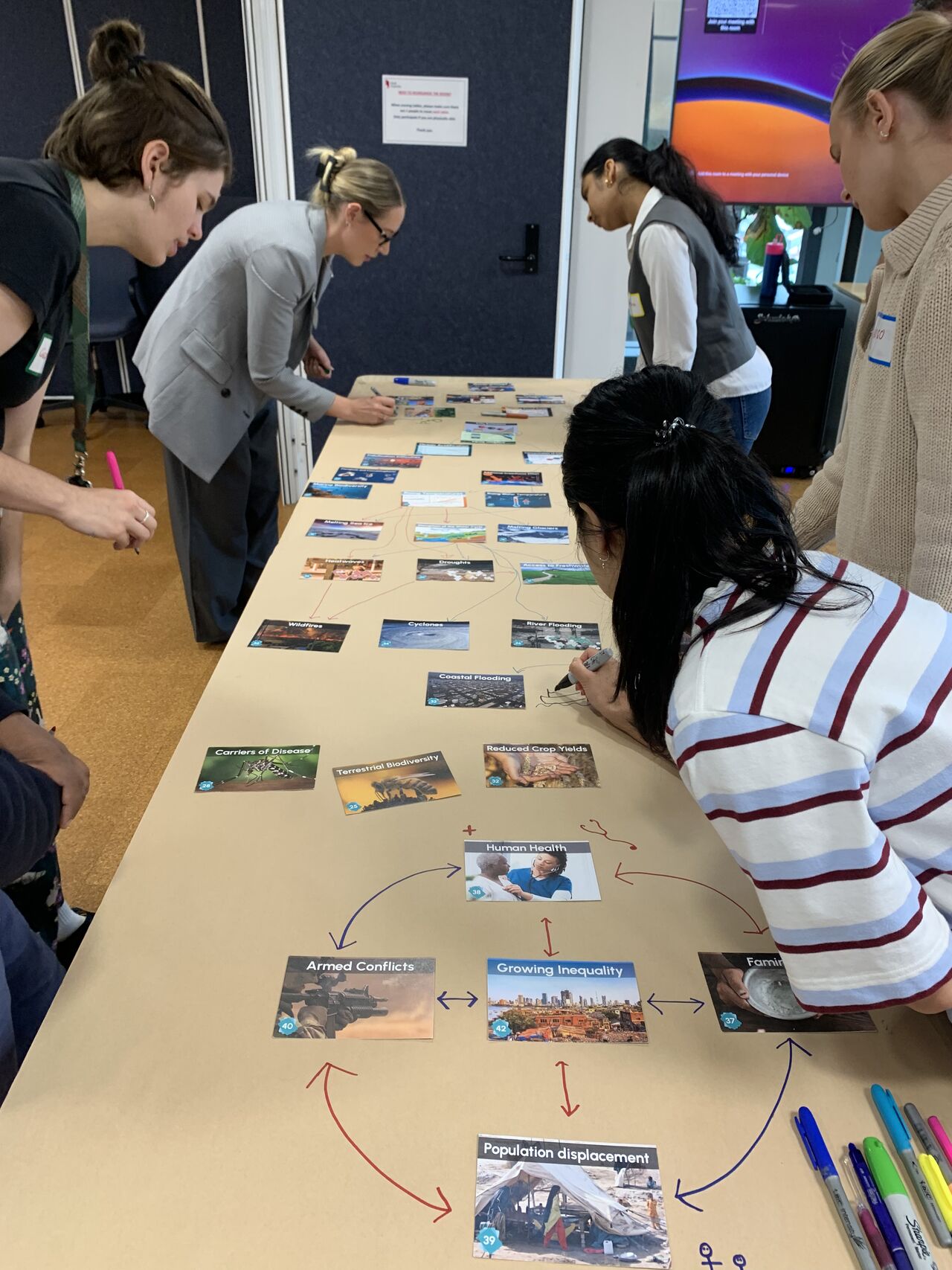
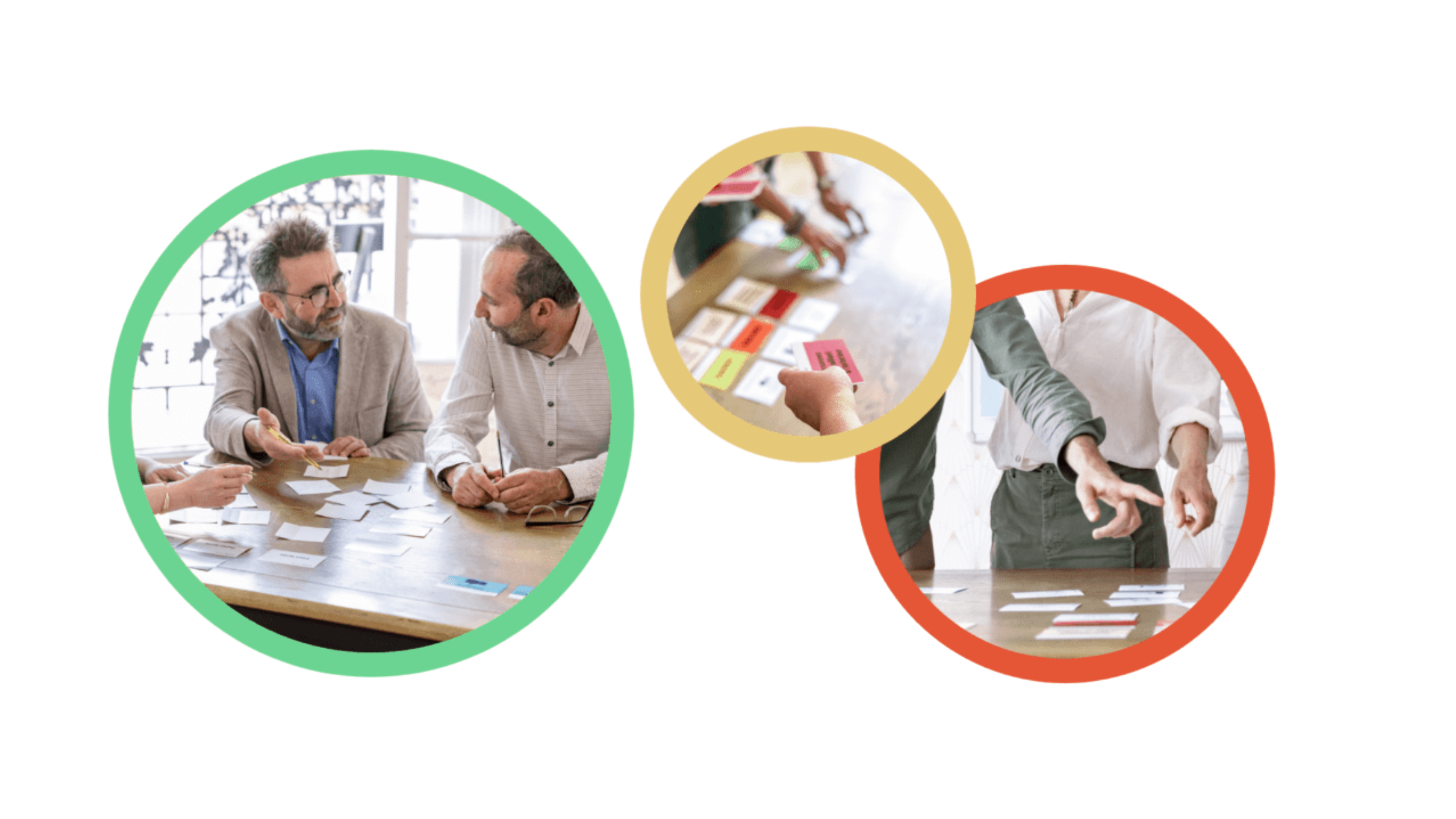
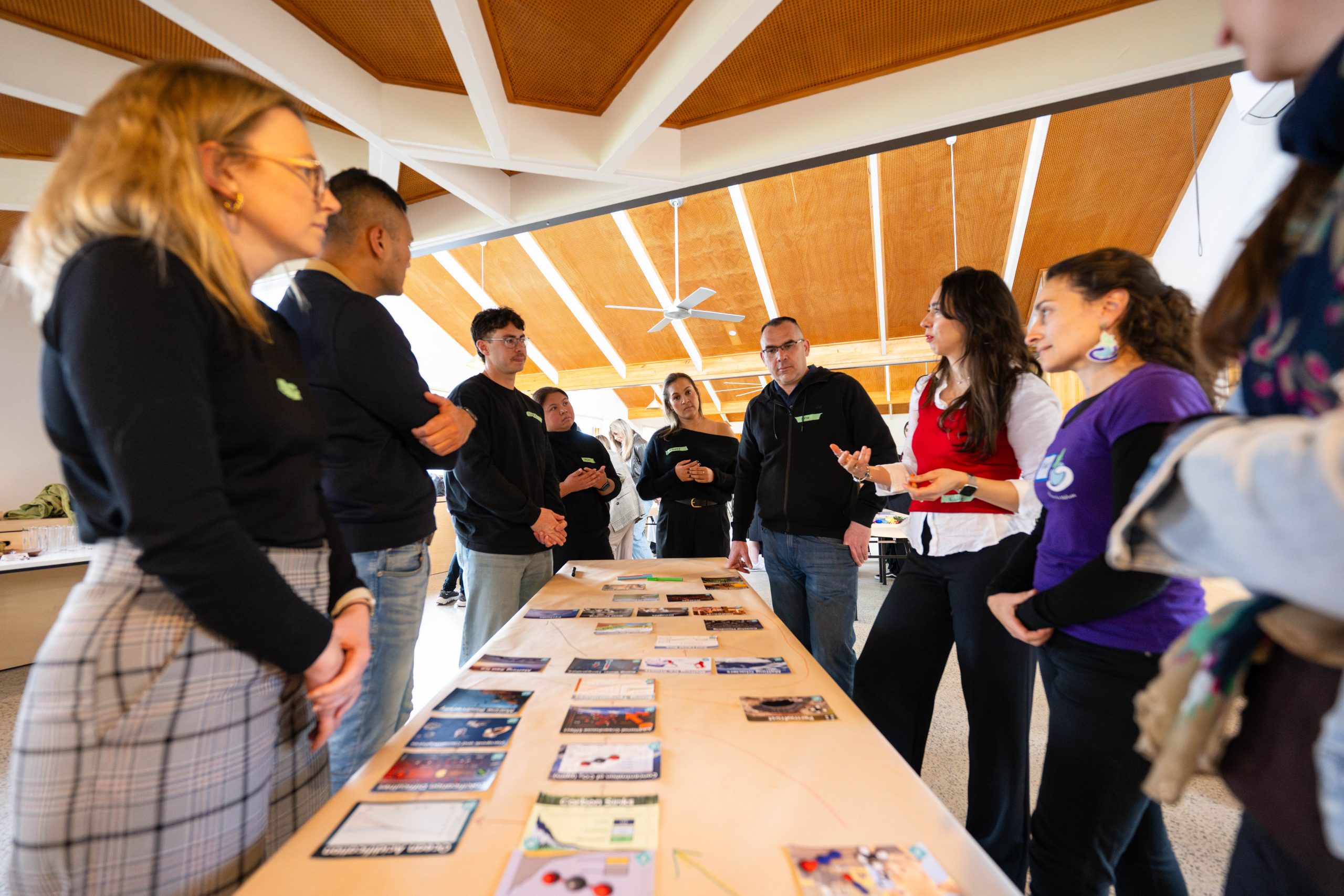
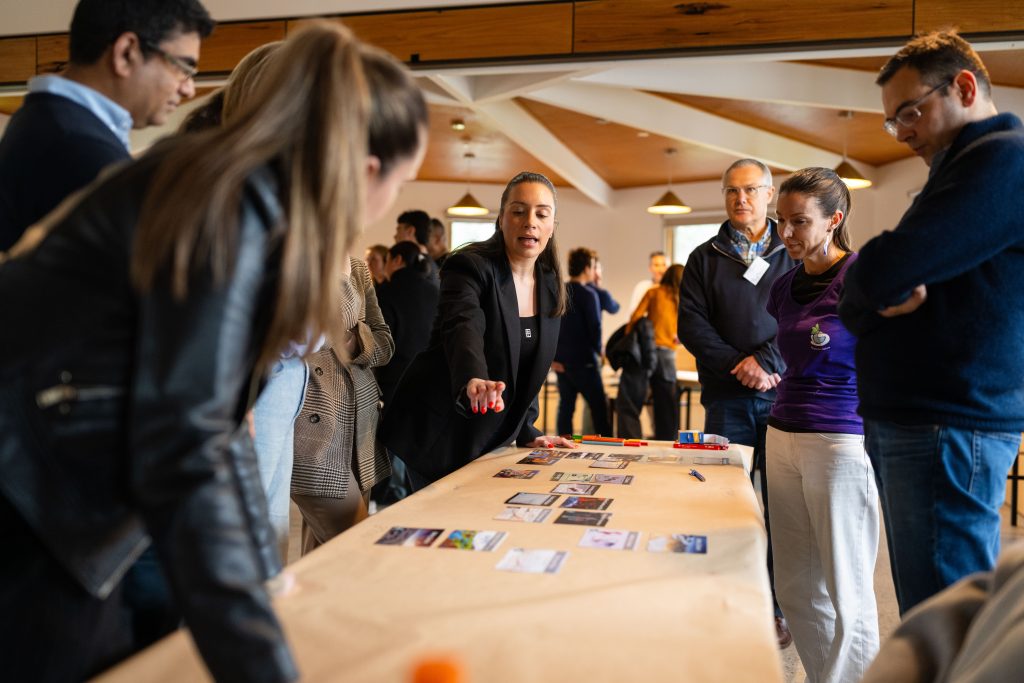
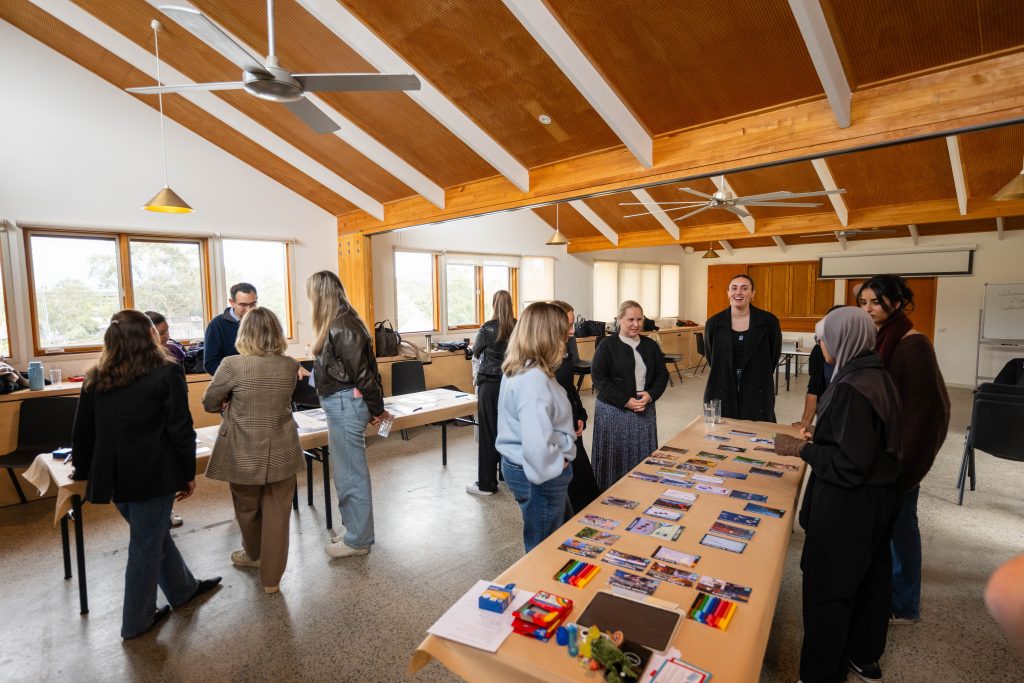
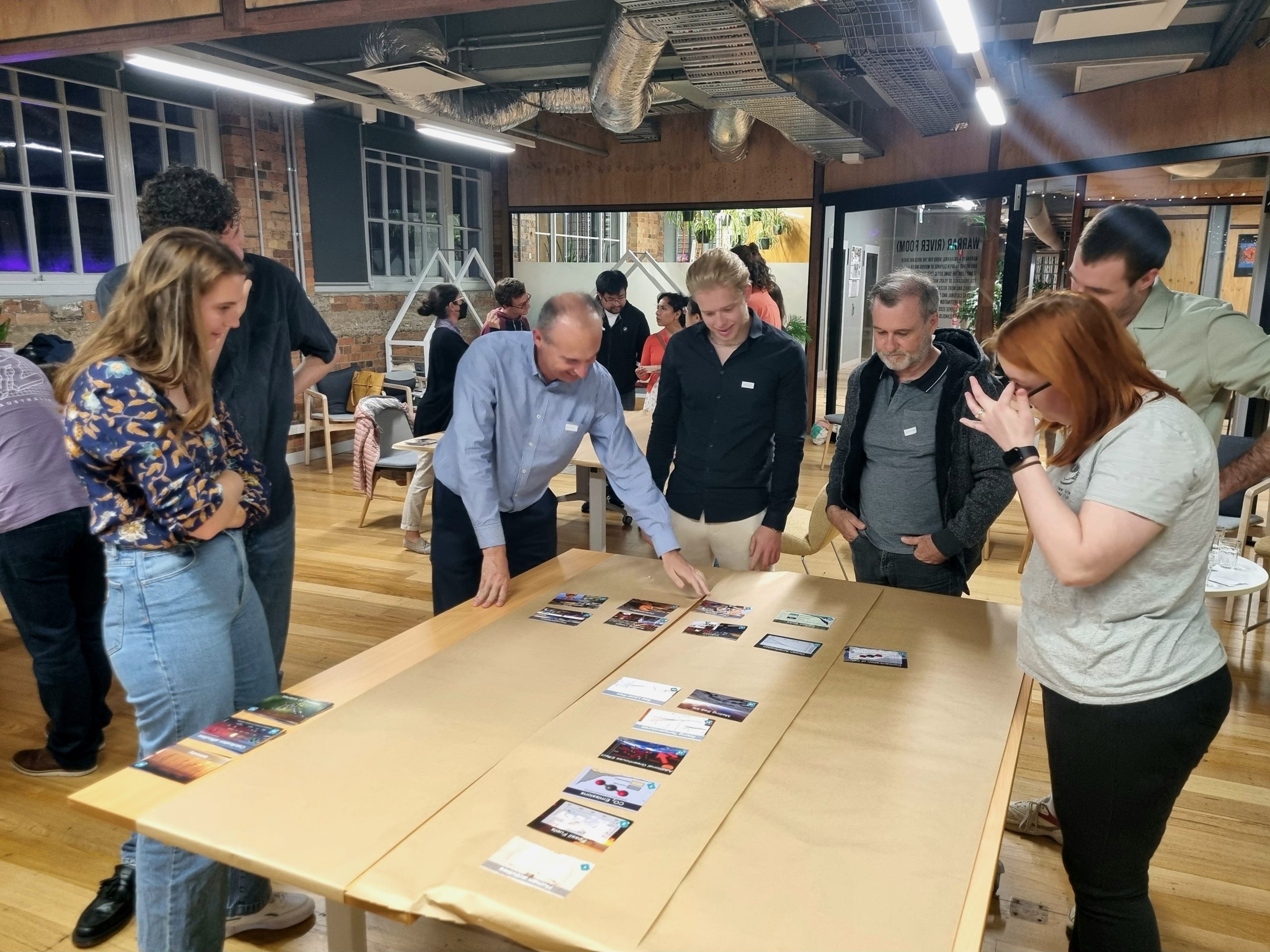
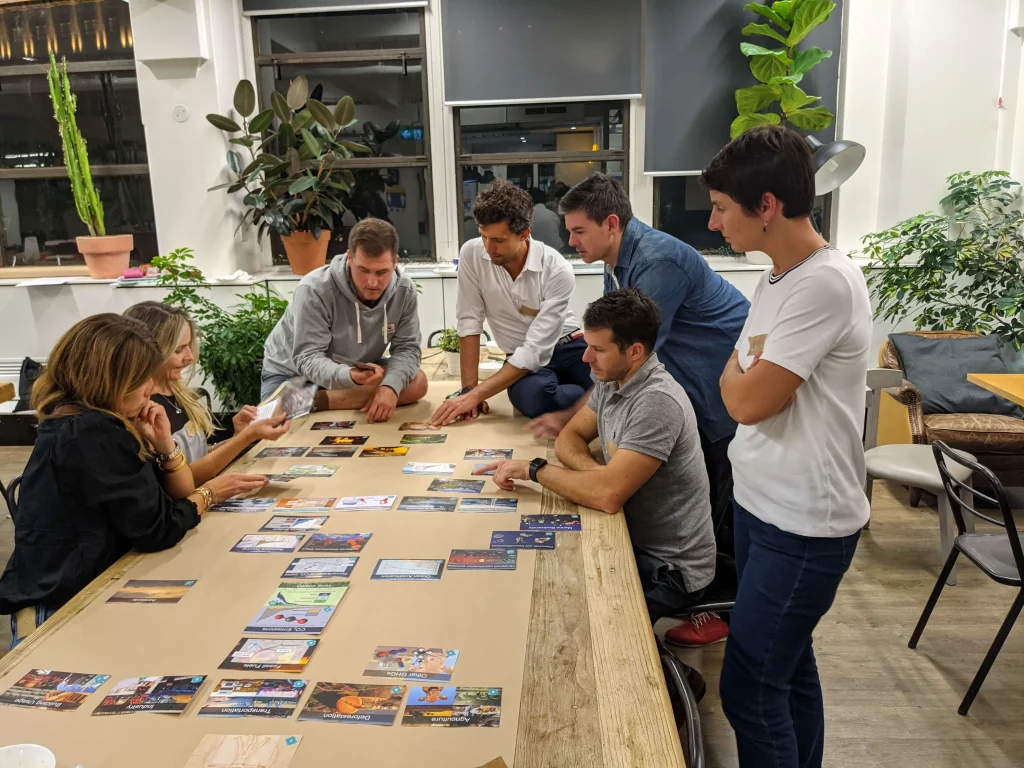
But one of her most meaningful contributions happens in a very different setting: a room full of people, markers on tables, and a Climate Fresk unfolding through shared discovery.
She shares:
“Being an ambassador for People For Nature inspires me because I am convinced that citizen-led initiatives like P4N are essential to driving real change. Facilitating Climate Fresk workshops gives me the strong feeling that I am contributing to meaningful impact. It is also incredibly enriching — I always leave each workshop inspired and energised by the conversations and insights shared by participants. As ambassadors, we receive as much as we give.”
This is what citizen-powered change looks like: not distant, not abstract — but shared, participatory, and deeply human.
And it grows every time someone steps into the conversation.
As the world’s largest beauty company, L’Oréal recognises and understands its responsibility to drive meaningful change: from addressing the impacts of climate change, to safeguarding natural resources, to championing circularity, and building community resilience, its actions are anchored in latest environmental science and underpinned by a desire for constant improvement.
In 2020 it introduced the L’Oréal for the Future program. This sustainability strategy is centred on four key pillars:
– Steward the climate transition;
– Safeguard nature;
– Drive circularity;
– Support communities.
In Australia and New Zealand (ANZ), L’Oréal is partnering with People For Nature to deliver climate and biodiversity educational programs that support this sustainability strategy.
Program objectives
Delivering on the organisation’s sustainability goals and ambitions requires engaged employees who understand the role they play.
The team in ANZ is focusing on growing climate literacy among staff so everyone understands how their actions support a healthier planet and help the company advance its sustainability commitments.
People For Nature delivered a Climate Fresk workshop during L’Oréal’s Sustainability Retreat in August 2025, which gathered about 40 ANZ employees.
Empowering teams with climate knowledge
People For Nature delivers tailored training programs that move staff from awareness to action. We empower teams with science-based learning experiences that inspire understanding, care, and change.
Through our collaborative workshops we build climate and biodiversity literacy, inspiring staff to embed sustainability into their daily operations and culture.
Interested in organising a workshop for your organisation?
We’ll empower your people to power change for nature. Contact us today to find out more.
Climate education using storytelling, creativity and imagination
At People For Nature, climate literacy is at the heart of what we do. We firmly believe that education isn’t just about understanding the problem, it’s about inspiring people to act. Because, when people understand, they care – and when they care, they act.
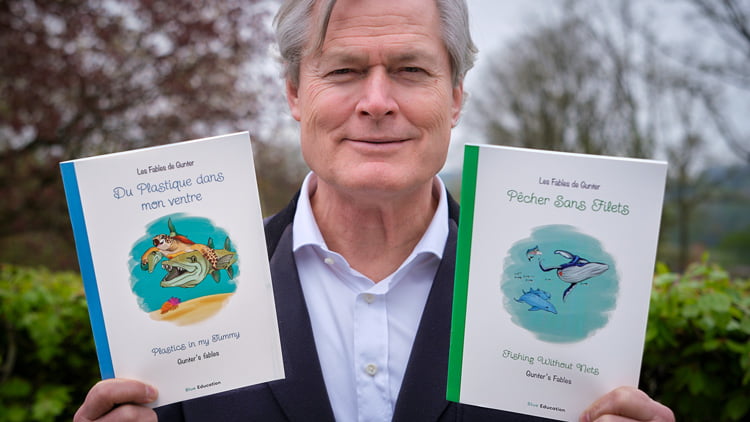
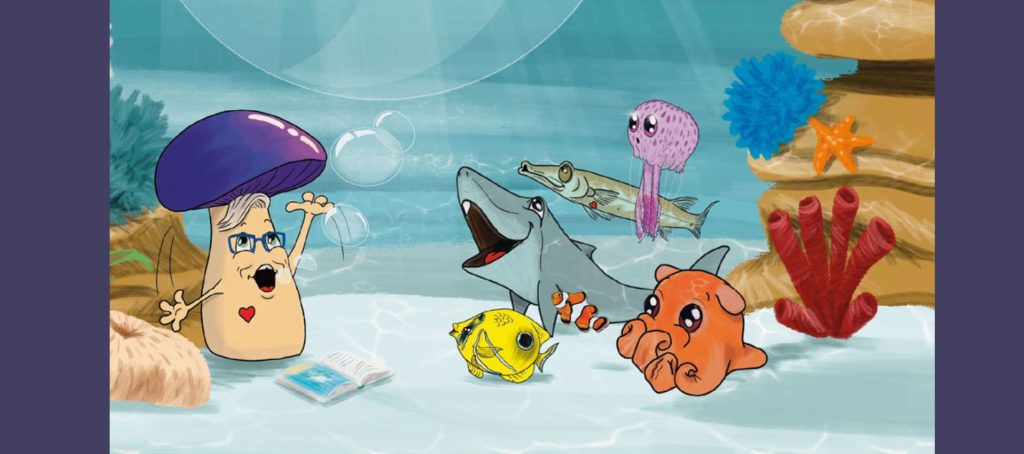
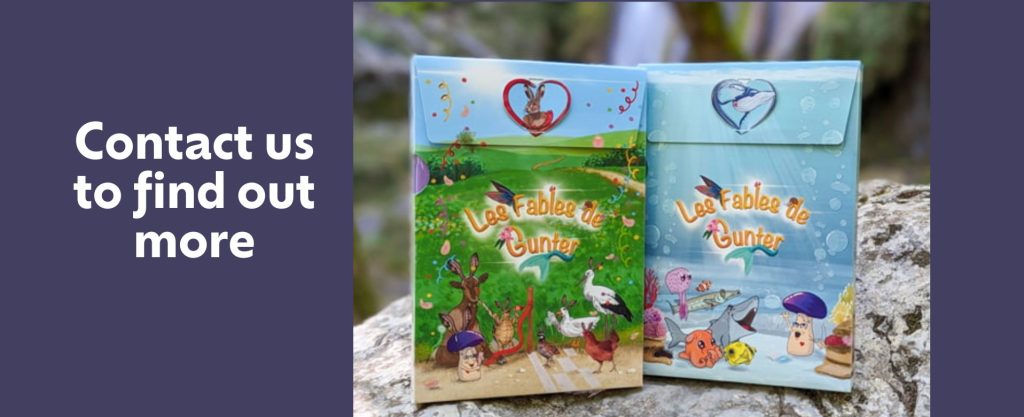
That’s why we love Gunter’s Fables, a bilingual (French and English) collection of educational stories that help children see nature not as something fragile and separate, but as a source of solutions for humanity’s biggest challenges.
Climate education needs to start with those that are already at the frontline: our youth. Teaching children and young adults about the science of climate change, its impacts, and potential solutions can inspire a new wave of climate-conscious leaders, entrepreneurs, and activists who will shape Australia’s future. Early education fosters a sense of responsibility and urgency, ensuring that the next generation is ready to tackle the challenges ahead.
Gunter’s Fables were created by Gunter Pauli, a Belgian-born climate visionary, who has dedicated his life to the radical transformation of business and society. He is the founder of the Zero Emissions Research Initiative and author of The Blue Economy, a framework adopted by the United Nations, governments, and industries worldwide.
Aimed at children aged 3 to 15, Gunter’s Fables evolve in depth and complexity as readers grow, showing how nature already holds the answers to many of our sustainability problems.
Each set of fables explores a different theme: water, health, food, energy, housing, work, and education / ethics.
Just like People For Nature’s educational workshops – Climate Fresk, Biodiversity Collage and Circular Economy collage – Gunter’s Fables are fun and interactive. They encourage curiosity, questioning and experimentation, cultivating the mindset that we can all make a difference.
Combining storytelling with science and action
What makes Gunter’s Fables so powerful as an educational tool is the way it blends storytelling with science and action. Inspired by educators like Maria Montessori, Rudolf Steiner, and Paulo Freire, the series awakens five kinds of intelligence: scientific knowledge, emotional intelligence, artistic expression, understanding of complex systems, and the ability to take action. Children aren’t just learning facts; they’re exploring, questioning, and discovering how they can make a difference.
Each fable is a guided exploration that encourages reflection, creativity, and reinforces the innate desire to contribute to the good of all. The fables turn sustainability from an abstract topic into a lived experience. Each one ends with real-world examples, helping young readers see that change is already happening and that they can be part of it.
Empowering tomorrow’s leaders
Gunter’s Fables are a great tool to equip our future leaders with the knowledge, skills, and passion to drive meaningful change.
In a world where climate headlines can feel overwhelming, Gunter’s Fables offer something rare: hope grounded in understanding. By nurturing imagination and action, these stories help raise a generation of thoughtful, empowered “planet protectors.”
Whether you are a parent, a grand parent or an educator, these books are a great tool to pass on important messages to the next generation.
Interested in finding out more or getting a copy of Gunter’s Fables?
Climate Fresk and Circular Economy Collage Facilitator, NSW
Lisa became a People for Nature Ambassador in 2025. She’s a Climate Fresk and Circular Economy Collage Facilitator based in Sydney.
Lisa draws on her background in biotechnology research and education to inspire citizen science and drive collective climate action. As a scientist, educator, and advocate, Lisa champions evidence-based innovation and community engagement to tackle environmental challenges—from ocean health to climate resilience.
I believe the true solution lies in empowering individuals through education and fostering collective responsibility for a sustainable future.
Climate Fresk & Biodiversity Collage Facilitator, Sydney
Jonathan has been a Climate Fresk facilitator since 2022 and a Biodiversity Collage facilitator since 2024.
He is driven by a strong will to prove to his children that we can be part of the solution to the climate crisis. His aim is to expand climate and biodiversity literacy as wide as possible to help create that critical mass of responsible people who will shift the system and challenge the status quo.
Being an ambassador for People For Nature offers me an amazing platform to spread awareness on the climate and biodiversity crisis whilst being supported by an incredible bunch of people. I love being part of this community. It brings me strength and perseverance to keep pushing when it sometimes feels like we are not making any progress.”
Climate Fresk, Biodiversity Collage, and Circular Economy Collage Facilitator, NSW
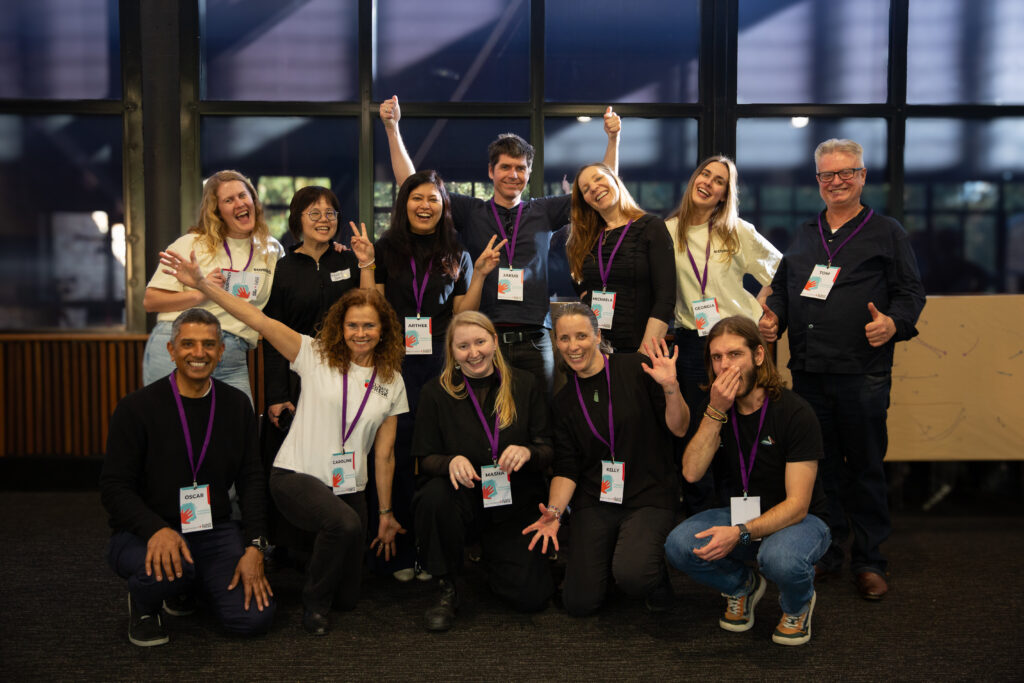
Oscar is an experienced sustainability educator, passionate about demystifying the science behind climate change through gamification.
He is a Climate Fresk, Biodiversity Collage, and Circular Economy Collage Facilitator, based in Sydney, NSW.
Oscar believes education is key to driving real change in the way we treat our only home.
“I love the energy of being among people keen on protecting our earth. At People For Nature I see the passion and creativity required to make an impact using education. It’s why I love being here.”
Carole is an experienced Climate Fresk and Biodiversity Collage Facilitator based in Sydney, NSW.
With over 15 years of experience driving improvement and leading high-performing teams across diverse sectors, Carole brings a deep understanding of what it takes to create meaningful change. Her climate journey is rooted in a belief that education is the first step towards action.
Carole channels her passion for learning into empowering individuals and organisations to take informed climate action. Whether she’s delivering workshops or mentoring others, Carole is helping build a future where climate knowledge leads to confident, collective action.
Jenni is an experienced circular economy collage facilitator, who believes in the power of collective intelligence and action.
Day to day, she works on changing the overall economic system with government and private organisations where she co-develops and implements circular economy initiatives. She also volunteers as Co-Chair of the Infrastructure & Precincts Taskforce at Circular Australia bringing industry, government and academia together to advocate and activate place-based circularity.
Her focus is on educating and enabling circular economy actions from the ground up, at a community level.
We need to transform our mindset and systems, and it will take all of us to move toward a regenerative, life-centered society.I joined People For Nature as an Ambassador to contribute to grass-roots citizen change, which is another critical part of the ecosystem.
In her personal time, Jenni loves being in nature and meditating. She also dedicates a lot of time researching, volunteering and attending events about regeneration, first nations knowledge, decolonisation and community engagement.
The three pillars that are core to People For Nature, “learn, act, impact” totally resonate with me. To make changes we need to gain knowledge on the climate and biodiversity crisis that we are in. But, also, it is essential to harness our strength and identify how / where we can take action so we can truly make an impact. People For Nature does exactly that, translating science-based knowledge into accessible and engaging learning experiences and offering tangible actions that we can all make a difference.
Virginie is a Climate Fresk facilitator in NSW. She joined the Fresking community a few years ago and has loved being a part of it ever since.
“I’m passionate about how climate education can spark change even for those who already have a strong knowledge of climate science. There’s always another layer to uncover. Every workshop leaves me inspired by the rich, honest conversations that unfold. They help all of us (me included) see more clearly the paths we’re on, and the choices we can make, together or individually, for a more sustainable future.”
“I’m genuinely excited to guide others through these workshops and share what I’ve learned, so they leave feeling empowered, just as I do after every single session, to take on more climate action.
I’m equally excited to keep learning alongside this caring community, who bring such a wealth of ideas and perspectives. It’s a powerful group from all over Australia, with different mindsets and backgrounds, coming together to turn knowledge into meaningful action, one step at a time”
Tom is a seasoned, pro-trained Climate Fresk facilitator for business, based in Sydney.
He also volunteers as an ambassador with People for Nature, supporting climate education and engagement across the community.
Through his firm, EcoProsper Consulting, Tom helps leaders navigate the converging crises of climate, ecology, and economic disruption, transforming uncertainty into strategic clarity and action.
He supports businesses and mission-led organisations across Australia to become more regenerative, resilient, and future-fit, using globally recognised tools like Climate Fresk, the Doughnut Economics Design for Business tool, and the En-ROADS climate simulator.
“Fresking is one of the most effective ways to build shared understanding and motivation for action, whether in the community or inside an organisation. It’s fun, team-building, and evidence-based. Action on climate is urgent, and helping more people experience a workshop like Climate Fresk is part of how we scale awareness and action.”
Tom is available to deliver Climate Fresk workshops for organisations during business hours, Australia-wide.
We empower your people to create positive change for nature
As businesses face the growing urgency of climate and biodiversity challenges, we believe your organisation has the potential to lead the way in creating meaningful change.
At People for Nature, we’re not interested in a traditional charity-corporate partnership. Instead, we’re building something different: a strategic relationship aimed at transformative change from within.
Together, we can align purpose with impact, embedding nature-positive solutions directly into your business strategy.
We transform businesses from within
Led by certified environmental practitioners, we combine strategic insight with hands-on experience in science, education, and community action.
Through our tailored training, we empower key people within your organisation to become certified People For Nature Ambassadors — not by doing the work for them, but by equipping them to lead the change from within.
We make complex science simple and actionable, guiding your team every step of the way. These ambassadors don’t just gain knowledge — they become trusted sustainability champions, bridging our expertise with your workplace culture.
They’re not just participants; they’re part of our extended family — the heart of a long-term, values-aligned partnership driving meaningful, nature-positive change from the inside out.
Our approach
1. Science-Based Education to Spark Action
Our globally renowned, science-based workshops translate the latest findings from the IPCC and IPBES into accessible, engaging sessions for your teams.
These workshops spark meaningful dialogue and shift mindsets — building a shared understanding that inspires action across all levels of your organisation.
2.Empowering Ambassadors for Local Impact
Through our Ambassador Program, we empower selected individuals within your organisation to lead the way in climate literacy and local biodiversity action.
These ambassadors become visible champions of your organisation’s environmental commitment, grounded in place and deeply connected to community.
3.Co-Creating Your Nature-Positive Journey
We’ll work alongside your team to co-design meaningful, measurable biodiversity initiatives aligned with your organisation’s sustainability strategy.
Our support includes strategic guidance, action planning, and impact evaluation — ensuring your efforts deliver genuine environmental value.
In-house expertise and national footprint
We bring together deep expertise in climate science, biodiversity, sustainability strategy, and community engagement.
People for Nature is led by two Certified Environmental Practitioners: Audrey Barucchi and Dr Fanny De Busserolles.
The Certified Environmental Practitioner (CEnvP) Scheme assesses the experience, skills, and ethical conduct of environmental professionals.
There are many meaningful ways to partner with People for Nature
Whether through partnerships, in-kind support, or donations, there are many ways businesses support our charitable purpose.Together, we can educate and empower citizens, inspire action for biodiversity, and innovate for a more resilient planet.
Australia is already experiencing the impacts of climate change in ways that affect our communities, ecosystems, and economy.
Despite the urgency, one of the biggest challenges we face is the lack of understanding and awareness of the causes, consequences, and solutions for climate change.
Additionally, in the age of social media, false claims and misleading information about climate change can spread rapidly, undermining public understanding and delaying climate action.
That’s why, at People For Nature, our focus is on educating all Australians – young and old – with the knowledge to make informed decisions and advocate for policies that protect our environment.
By using trusted sources and scientific data, we can combat the spread of misinformation and equip individuals with the facts they need to make informed decisions.
Our goal is to educate 27,000 Australians by 2027 — to tackle climate and biodiversity challenges and drive real change for a sustainable future.
Youth Climate Education
Young people are already experiencing the effects of a changing climate.
That’s why it’s crucial to integrate climate education into schools and universities. Early education fosters a sense of responsibility and urgency, ensuring that the next generation is ready to tackle the challenges ahead.
Teaching children and young adults about the science of climate change, its impacts, and potential solutions can inspire a new wave of climate-conscious leaders, entrepreneurs, and activists who will shape Australia’s future.
When delivered well, climate education fosters hope, builds emotional resilience, and empowers action.
Our work with schools
We deliver workshops tailored specifically to younger audiences. Our Climate Fresk for Kids is a fun, interactive, and age-appropriate version of the internationally acclaimed Climate Fresk workshop.
This playful, science-based workshop is designed to introduce students aged 10 and up to the basics of climate change. Using colourful illustrations and a card game format, students explore:
🧐 What causes climate change
🌎 Its effects on people and the planet
🙌 How we can take action
This kid-friendly Climate Fresk has been developed by teachers and climate experts to make complex science engaging and accessible for younger learners, without overwhelming them.
We’re working with forward-thinking Australian universities to deliver workshops that:
✅ Build climate and biodiversity understanding across faculties and disciplines
✅ Embed literacy into curricula and campus-wide initiatives
✅ Engage academic and operational teams in meaningful action toward net zero
From science and engineering to law, business, and the arts — climate and biodiversity touch every field. Now is the time to empower every department.
🌿 These are some of the universities are leading the way: The University of Newcastle, Griffith University, UNSW, and UTS.
Community education helps drive broader change
Education isn’t just about understanding the problem – it’s about inspiring people to act. When people understand, they care – and when they care, they act.
Our interactive and fun workshops aim to help people learn about climate change, biodiversity, sustainability and what they can do to make a positive difference.
Climate literacy empowers Australians to participate in climate-related discussions, vote for climate-conscious leaders, and engage in citizen science initiatives that can drive local conservation efforts.
Want to organise a workshop for your community? Get in touch!
Believe in a better future? So do we.
At People For Nature, our mission is bold: to educate 27,000 Australians by 2027 on climate and biodiversity, empowering them to take meaningful action for our planet.
Your donation fuels citizen-powered education that turns knowledge into action—and action into lasting change. Donate today and be part of the change.
💚 Together, we can shape a planet-boundaries literate Australia.
Melissa is a Climate Fresk, Biodiversity Collage and Circular Economy Collage facilitator based in Tasmania.
She joined People For Nature as an Ambassador because she firmly believes in our mission to empower citizens through engaging educational experiences.
Melissa is the founder of Wild-Built, a boutique consultancy offering strategic, cross-disciplinary expertise to help businesses align with future, real-world challenges. Melissa blends 20 years of marketing, brand, business and sustainability skills to help business leaders activate their strategic imagination and their humanity, in service of a liveable future.
“Participating in the workshops offered by People For Nature has changed the trajectory of my life, and I’m inspired to be part of the movement to make that happen for others. We have a rapidly closing window to act on the climate crisis and biodiversity crisis – which are symptoms of our consumerist, extractive way of life.”
“We simply will not see this action from governments and businesses alone – we need to come together, form community and create a shared vision of the future – with a revived reverence for nature – if we’re to create a liveable future for all. People For Nature provides the ideal platform to engage and empower citizens to do just that.”
Stéphane became a Fresker in March 2024, with his first workshop held at International Grammar School in April.
Motivated by curiosity and a desire to put his professional skills to use, Stéphane transitioned to ClimateTech after a 10-year career in Customer Success, where he honed his ability to convince organizations and people to change.
One of his proudest moments was launching the concept of Fresk at the pub. In search of a venue to host a workshop with friends and contacts, he remembered that public houses are community hubs, where the atmosphere of food and drinks fosters connection and conversation.
What keeps Stéphane inspired is the “light bulb” moment he witnesses in every workshop – that powerful instant when someone fully grasps the scope and consequences of climate change. Being the catalyst for that realization is what keeps him going.
“There is not a single workshop without a light bulb moment for one or several attendees. That special moment when someone “gets” the full picture of climate change and the consequences. Being the trigger of that moment keeps me going!”